
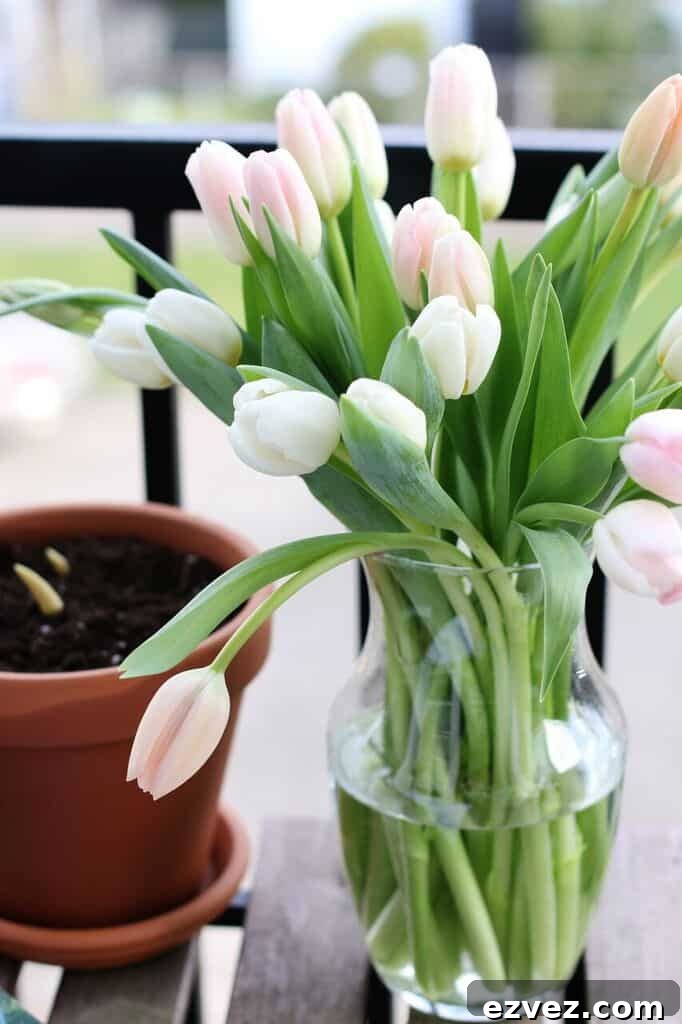
Today Jordyn of Pretty Lovely Studios is back for this month’s garden series, helping us plan successful gardens. She generously shares her experience and tips, and I’m excited to put her advice into practice.
Hello! I’m thrilled to be here talking gardening with you again. With longer days and slightly warmer weather, I don’t know about you, but I’m eager to get outside and work in the soil. It might still be a bit early to plant, but now is the perfect time to design your garden. Research the plants you want, decide which vegetables you’ll grow, and imagine the flowers you want surrounding your space.
Where are the sunny and shady spots in your garden?
This is the relaxing and rewarding part of planning. Spend a day tracking sunlight in your yard: note where the sun reaches and where shade persists all day. This matters because plants have different light requirements. A sun-loving plant placed in shade won’t bloom as expected; for example, peonies need full sun to produce their impressive flowers.
Before planting, learn whether your chosen plants prefer sun, shade, or partial light. Many gardening problems stem from not knowing a plant’s needs—avoid that by matching plants to the right spots.
What kind of care are you willing to give your garden?
Consider how much time you’ll spend caring for your garden. Will you tend it daily, or only once a week? Some plants need regular attention—watering, deadheading, and pest checks—while others are low-maintenance. Be honest about the level of care you want to commit to. If you prefer a low-effort garden, choose resilient, low-care varieties. If gardening is a hobby you enjoy, spending time weeding, pruning, and planting can be very satisfying and therapeutic.
What kind of wildlife do you have in your area?
Local wildlife can strongly influence your plant choices. In some regions, deer and other animals can damage or eat garden plants. If deer are common where you live, consider creating a protective border of deer-resistant shrubs or using other deterrents to protect tender plants. It’s heartbreaking to wait for a bloom and find the stem chewed off overnight.
Ultimately, successful gardening comes down to two things: knowing your local conditions and knowing the plants you choose. Do your research, plan accordingly, and you’ll have a beautiful garden by summer.
Questions and Answers about last month’s post
Do terrariums and mini greenhouses do more damage than good? Or are they simply decorative?
Terrariums and small greenhouses not only look attractive but also provide real benefits. They trap warmth and create a stable microclimate that many plants enjoy. If you lack space for a full-size greenhouse, a mini greenhouse or terrarium is a great option to nurture plants indoors and extend growing conditions.
Which plants can stay outside in summer and come indoors for winter?
Not every plant adapts to both indoor and outdoor life, but several varieties can move between seasons. Geraniums, boxwoods, begonias, fuchsias, and coleus are common examples. When transitioning plants between inside and outside, remember to harden them off gradually—expose them to outdoor conditions for short periods at first, increasing the time each day (start with an hour, then three, then five, etc.). Sudden changes in temperature or light can stress plants, so gradually acclimating them helps ensure a smooth transition in either direction.
Follow Pretty Lovely Studios on Instagram
More garden inspiration and practical tips can help you plan a thriving garden this season.
More Garden Inspiration
Training Shrubs
Starting Seeds Indoors