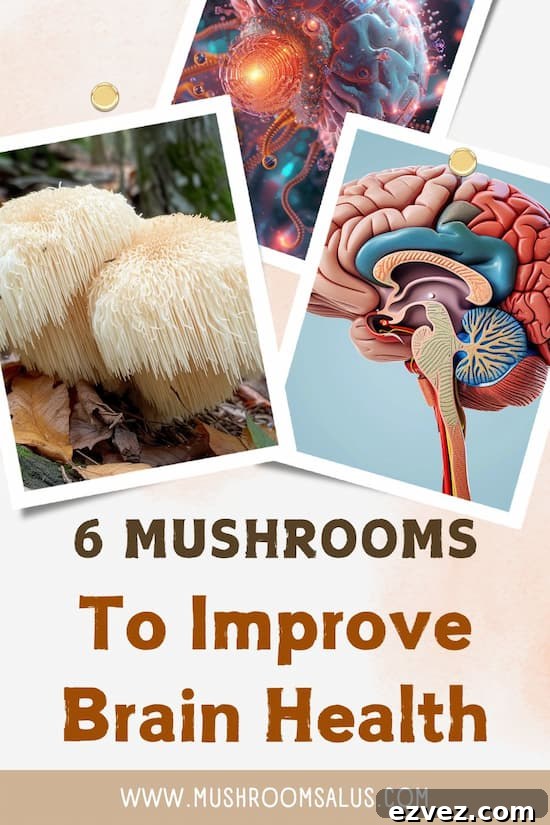
Interest in natural ways to support cognitive function has grown, and medicinal mushrooms are attracting attention for their potential benefits to brain health.
This article explores six mushrooms known for neuroprotective properties and their potential to support memory, focus, and overall cognitive resilience.
Below are six mushrooms commonly associated with brain-boosting effects:
Best Mushrooms For Brain Health
Lion’s Mane Mushroom
Lion’s Mane is notable for compounds called hericenones and erinacines that can stimulate the production of nerve growth factor (NGF). NGF supports the maintenance, growth, and repair of neurons, which helps preserve cognitive function.
Research and anecdotal reports suggest Lion’s Mane may improve memory, attention, and mental clarity, making it a popular choice for those seeking cognitive support.
Reishi Mushroom
Reishi, sometimes called the “Mushroom of Immortality,” contains triterpenoids and polysaccharides with antioxidant and anti-inflammatory effects. These actions help protect brain cells from oxidative stress and can support mental clarity.
Reishi is also considered adaptogenic—helping the body manage stress—which can indirectly benefit cognition by reducing stress-related cognitive impairment.
Cordyceps Mushroom
Cordyceps is valued for improving oxygen and energy metabolism, which supports circulation and oxygen delivery to the brain. Better oxygenation and blood flow can enhance focus, memory, and mental endurance.
Its adaptogenic qualities may also reduce the cognitive effects of stress, supporting resilience during demanding periods.
Chaga Mushroom
Chaga is rich in antioxidants such as melanin and polysaccharides, which help neutralize free radicals that can damage brain cells. These antioxidant properties contribute to long-term brain protection and may lower the risk of neurodegenerative processes.
Chaga is often used to support concentration and mental clarity thanks to its protective nutrient profile.
Maitake Mushroom
Maitake offers vitamins, minerals, and polysaccharides, including beta-glucans that modulate immune responses and reduce inflammation. Lowering inflammation in the brain is important for preserving cognitive function and reducing the risk of decline.
Incorporating Maitake into the diet can contribute immune-supporting and anti-inflammatory benefits relevant to brain health.
Shiitake Mushroom
Shiitake delivers essential nutrients and bioactive compounds such as eritadenine, polysaccharides, and the antioxidant ergothioneine. These components help protect neural tissue and support cognitive processes like memory and learning.
Regular intake of Shiitake as part of a balanced diet can be one practical way to support mental performance.
What Is The Best Mushroom For Brain Health?
Lion’s Mane is frequently highlighted for its direct influence on nerve growth factor (NGF), which is closely tied to neuron health and cognitive function. While individual responses vary, Lion’s Mane is often considered a leading option for promoting memory and mental clarity.
How Mushrooms Improve Brain Health?
Mushrooms support brain health through antioxidants, anti-inflammatory polysaccharides, and neuroactive compounds. Antioxidants help limit oxidative damage, while anti-inflammatory effects reduce chronic brain inflammation tied to cognitive decline.
Specific species offer targeted benefits: Lion’s Mane promotes NGF and neuronal repair, adaptogenic varieties like Reishi and Cordyceps help manage stress and energy, and others like Chaga and Shiitake supply protective antioxidants and nutrients.
Regular consumption as part of a balanced lifestyle may lower the risk of neurodegenerative conditions and support ongoing cognitive function.
How To Consume Mushrooms For Brain Health
Mushrooms can be enjoyed in several forms depending on preference and convenience. Popular methods include:
- Tea or broth: Simmer dried Reishi, Chaga, or Shiitake to extract beneficial compounds; use the liquid as a warm, nourishing drink or soup base.
- Powders: Add Lion’s Mane or Cordyceps powders to smoothies, coffee, or hot beverages for a quick cognitive boost.
- Whole or cooked: Include fresh Maitake, Shiitake, or other edible mushrooms in meals to gain nutrients and fiber.
- Supplements: Standardized capsules or tinctures provide concentrated extracts for consistent dosing, which some people prefer for convenience.
When trying supplements, choose reputable products and follow recommended dosages. If you have health conditions or take medications, consult a healthcare professional before starting new mushroom therapies.
Final Thoughts on Mushrooms for Brain Health
Medicinal and culinary mushrooms offer a range of bioactive compounds that can support cognitive health in complementary ways. Lion’s Mane is notable for promoting neuronal growth, Reishi and Cordyceps aid stress resilience and energy, Chaga supplies potent antioxidants, Maitake supports immune modulation and inflammation control, and Shiitake contributes important nutrients and protective antioxidants.
Including a variety of these mushrooms within a balanced diet, or using quality extracts when appropriate, can be a practical part of a broader approach to preserve and enhance brain health.