
You thought you bought pork, but when you opened the package you noticed a strange, fishy odor. Why does pork sometimes smell like fish, and is it safe to eat?
Table of Contents
Toggle
Pork Smells Like Fish
Pork stored near fish or seafood can pick up a fishy odor. More commonly, a fishy smell indicates spoilage or improper storage. If your pork smells like fish, the safest choice is to discard it rather than risk illness. In some cases the meat may simply have absorbed odors from nearby food or poor packaging, but that also signals inadequate handling and suggests it should be thrown away.

What Does Raw Pork Smell Like?
Fresh pork should smell like clean meat—mild and not sharp. Because raw meat readily absorbs surrounding odors, packaging and storage matter. Proper handling and airtight wrapping help prevent unwanted smells from transferring to the meat.
Pork Smells Like Fish? Why and Safe to Eat?
A fishy odor in pork is often a reliable sign of spoilage. Spoiled meat usually shows multiple warning signals: off smells, slimy texture, discoloration, or visible mold. If pork smells fishy, it’s best to discard it. Even if it hasn’t spoiled, a fishy aroma will make the meat unappetizing because smell and appearance strongly influence whether food is enjoyable.
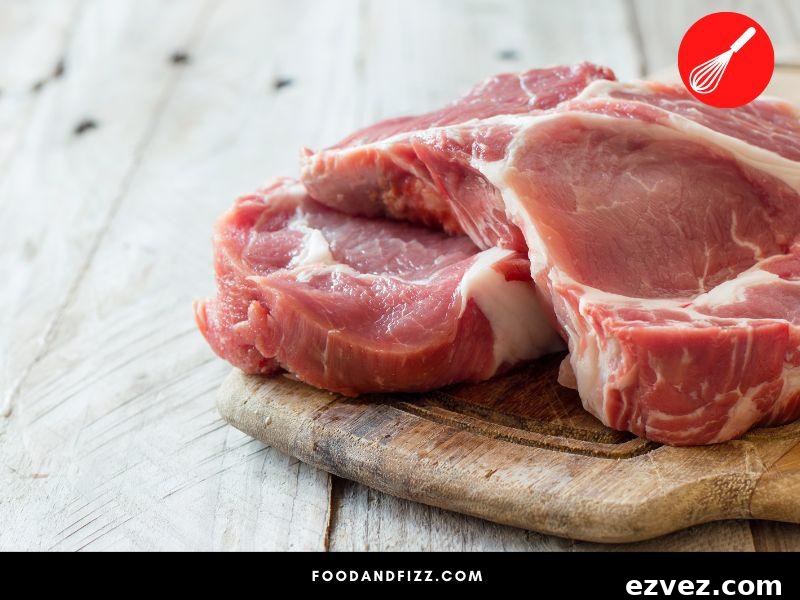
Reasons Why Pork Can Smell like Fish
There are three main reasons pork might smell fishy: actual spoilage, absorption of odors from improper storage, or the animal’s feed influencing meat aroma.
1. Your Pork Smells Like Fish Because It Has Gone Bad
Spoiled pork will usually show clear signs: an unpleasant smell, sliminess, discoloration, or mold. Fresh pork should smell like raw meat only; fishy, ammonia-like, or rotten-egg odors indicate bacterial breakdown. One compound linked to fishy smells is trimethylamine (TMA), formed when certain nitrogen-containing compounds break down. While often associated with fish, similar chemical changes can occur in other meats under bacterial action, accelerating spoilage.
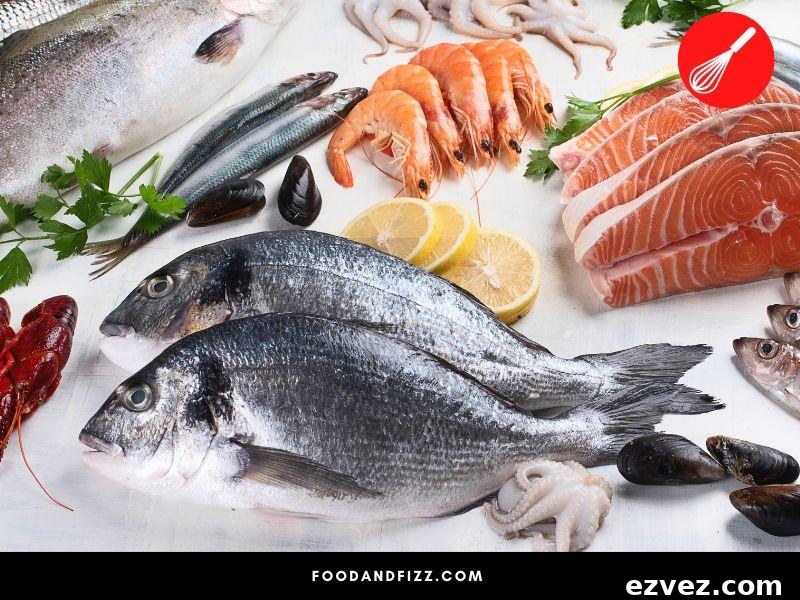
2. Your Pork Smells Like Fish Because It Was Improperly Stored and Handled
Meat can pick up strong odors from nearby foods or from packaging that isn’t airtight. If pork was stored next to seafood or in contaminated packaging, it may absorb those scents. Rinsing pork might remove surface odors, but food-safety authorities advise against rinsing raw meat because it can spread bacteria and increase cross-contamination. The safer approach is to prevent odor transfer: wrap meat tightly and store it separately from strong-smelling foods.
3. Your Pork Smells Like Fish Because Of What It Was Fed
Diet influences meat flavor. Animals fed certain feeds—such as fish meal—can develop distinctive aromas that carry into the meat. While less common today, feed-related odors are a possible explanation when no signs of spoilage are present.
Because fishy-smelling pork can indicate spoilage, handle any such meat with caution to avoid foodborne illness.
What Happens If I Eat Pork that Smells Like Fish?
If the fishy odor comes from spoilage, eating the pork can cause food poisoning. Symptoms may include vomiting, nausea, diarrhea, abdominal pain, fever, and muscle cramps. Most cases resolve in a few days, but some infections can become severe and require medical attention. Given the risk and the unpleasant taste and smell, it’s not worth eating pork that smells off.

How to Avoid Pork That Smells Like Fish
Follow these practical steps to reduce the chance of buying or storing pork that develops a fishy odor:
1. Source From Reputable Farmers, Butchers and Stores
Buy meat from suppliers known for good handling and storage practices. Reputable sellers are more likely to maintain proper temperature control and packaging that prevent contamination and odor transfer.

2. Adhere To Food Safety Guidelines In Proper Storage of Food
Once home, wrap raw pork tightly or place it in airtight containers. Store it at safe temperatures and keep it away from ready-to-eat foods to avoid cross-contamination. Follow handling best practices to limit bacterial growth and odor transfer.
3. Consume Pork Within A Reasonable Time Frame
Refrigerated raw pork is generally safe for 3–5 days; frozen, it can last several months depending on the cut and packaging. Buy pork close to when you plan to cook it, and use fresh meat when possible for the best flavor and safety.
Conclusion to Pork Smells Like Fish
Pork should smell like pork. A fishy odor most often indicates spoilage or poor storage and handling. Less commonly, the animal’s diet may influence the aroma. When in doubt, discard fishy-smelling pork to avoid unpleasant taste and potential foodborne illness.
Frequently Asked Questions About Pork Smells Like Fish
Pork Smells Bad But Is Not Expired. Should I Toss It?
Yes. Even if the label date hasn’t passed, improper storage or handling can cause spoilage. A strong off-odor is a reliable sign to discard the meat.
Is it Normal for Pork to Smell Like Fish?
No. Pork should not smell fishy. That scent generally indicates spoilage or contamination.
Can I Still Cook Pork That Smells Like Fish?
No. Cooking may kill bacteria but won’t neutralize toxins produced by spoiled meat. If pork smells like fish, rotten eggs, or ammonia, discard it.