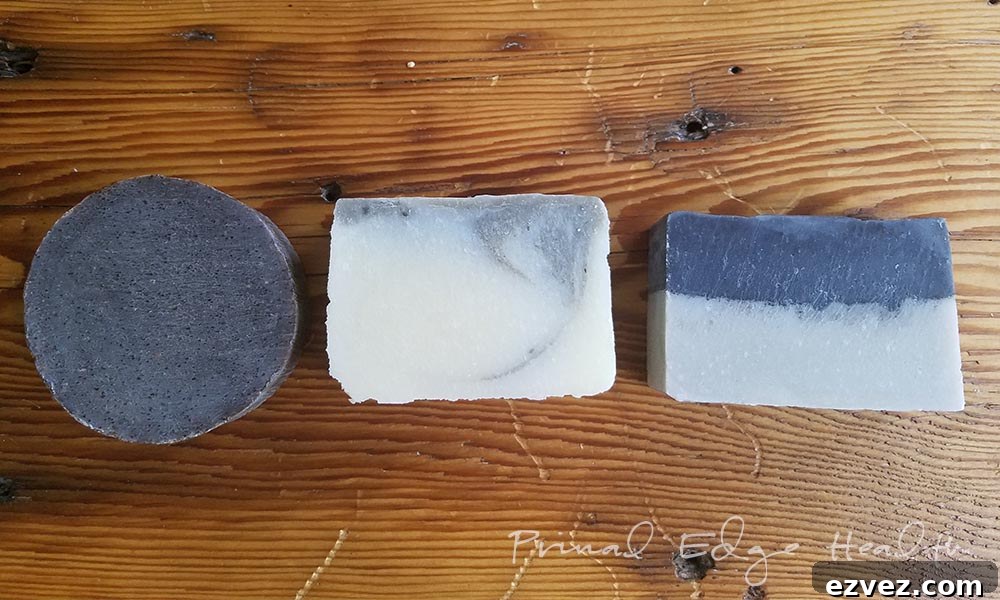
Get started with cold process soap making using tallow in a few clear steps.
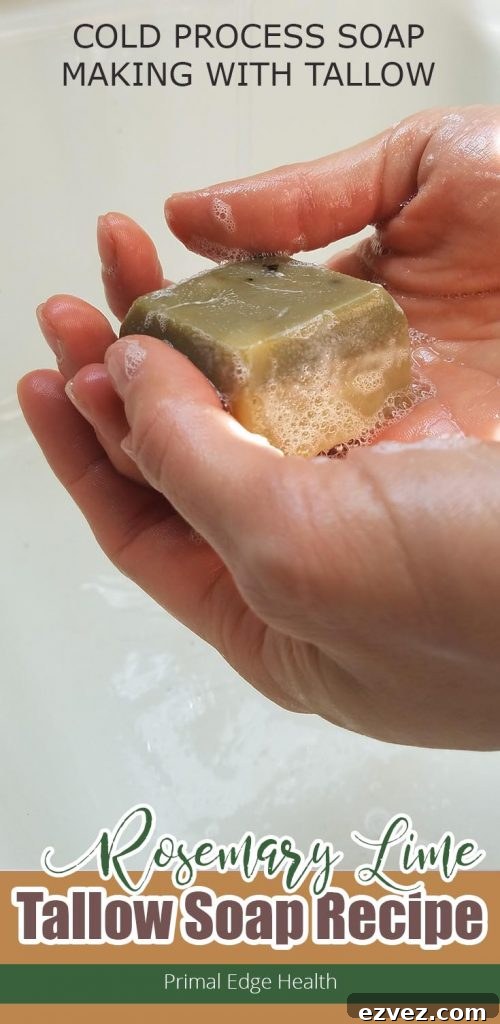
Would you believe a bar made from rendered beef fat can leave your skin feeling clean and nourished?
Beef tallow creates a firm, long-lasting soap with a gentle, creamy lather—an excellent choice for natural, DIY soap. In this guest post, Hill from Whet Stone Soapery walks through cold process soap making with tallow and shares a simple Rosemary Lime Tallow soap recipe you can make at home.
Jump To:
The History of Beef Tallow in Soap Making
Many people are surprised when I tell them I make soap from grass-fed tallow. Tallow is simply rendered, stabilized beef fat. While the idea of using animal fat might sound odd to some, tallow has a long history in traditional soap making and can be exceptionally gentle on sensitive skin.
Early soap-like materials date back thousands of years. The Babylonians produced a soap-like substance around 2800 B.C., and other ancient cultures—including the Romans, Greeks, Celts and Egyptians—also developed soap independently. One legend from ancient Rome describes women washing clothes in river runoff where animal sacrifices were made; the combination of animal fat and clay helped clean garments.
Historically, soap was made by combining fats and wood ash to extract lye, then boiling the mixture until it saponified. That process required skill to balance lye and fat: too much lye produced harsh soap, while too little left an oily, soft product. The invention of synthetic sodium hydroxide made soap production more reliable, and soap gradually became accessible for personal hygiene.
Today there’s renewed interest in tallow soap, driven by sustainability and a nose-to-tail approach to animal products. Rendered tallow is versatile: it works well for soap, cast-iron seasoning, and homemade skincare.

Ancient History
Soap-making techniques evolved across many regions and centuries. Early soaps were primarily used for cleaning textiles and required experienced makers to produce consistent results. With the development of reliable lye in the 18th century, soap became more common for personal use.
Soap for Personal Use
Modern tallow soap makers appreciate tallow for its ability to produce a sturdy bar that conditions skin. If you’re drawn to natural, low-waste personal care, tallow is a practical ingredient to explore.
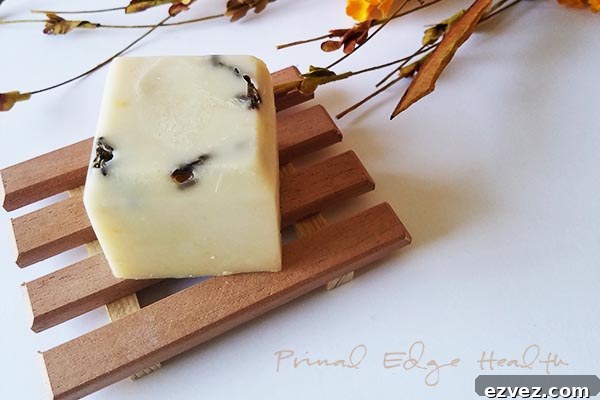
DIY Cold Process Soap Making with Tallow
Cold process soap making is approachable: you don’t need advanced chemistry skills, just the right tools, an understanding of safety with lye, and patience. Prepare and weigh your ingredients before you begin and follow safety precautions when handling sodium hydroxide.
What you need
- Kitchen scale
- Silicone or plastic spoon or whisk (avoid wood)
- Plastic container for measuring lye
- Heat-resistant mixing bowl (plastic, Pyrex, stainless steel, or bucket)
- Gloves and eye protection
- Thermometer (probe or candy thermometer)
- Soap mold (silicone is easiest; line non-stick molds with parchment)
- Immersion blender
- Isopropyl alcohol in a spray bottle
Know your ingredients

- Lye (100% sodium hydroxide) — Use pure sodium hydroxide found in hardware or online; always confirm it’s 100% sodium hydroxide.
- Fats and oils — The base of this recipe is beef tallow, though lard or other animal fats work. Combining tallow with a variety of plant oils (coconut, olive, castor) improves lather and conditioning. Coconut oil boosts bubbly lather; olive oil adds mildness and moisturizing properties; castor oil enhances lather stability and acts as a humectant (use 2–5% of total oils to avoid stickiness).
- Liquid — Usually water, though alternatives like brewed coffee can be used for specialty soaps.
- Essential oils (optional) — Essential oils add subtle aromatherapy effects; tallow soaps are often mild-smelling. Avoid synthetic fragrance oils if you prefer natural ingredients.
How to Make Cold Pressed Soap + TIPS
Follow these safety and process steps carefully. Wear gloves and eye protection when working with lye. Have baking soda or vinegar on hand to neutralize spills if necessary, and work in a well-ventilated area.
Phase 1: Lye & Liquid
- Use cold liquid (fridge-cold water). Mixing lye and water produces heat; starting cold helps control temperature.
- Always add lye to water—not water to lye—to avoid dangerous reactions.
- Stir until dissolved, cover with a cloth, and allow the solution to cool to about 110–120°F (can take an hour or more).
Phase 2: Fats
- Melt fats and heat to about 100–110°F. Ideally, the fats and lye solution should be within 10°F of each other—fat around 110°F and lye around 120°F is a good target.
- Use the cooling time to prepare molds and measure any additives like essential oils or clays.
Phase 3: Fat & Lye
- Place your melted fats in the mixing bowl. Slowly pour the lye solution into the fats while stirring.
- Mix until the mixture reaches “trace”—a pudding-like consistency. Use an immersion blender in short 3–5 second bursts, alternating with stirring, to reach trace faster. Avoid over-blending, which can cause the mixture to seize.
- When a light trace is reached, stir in essential oils or colorants, then mix just enough to blend.
Phase 4: Pouring into the Mold
- Use silicone molds or line your mold with parchment paper for easy release.
- Tamp out air bubbles by gently tapping or shaking the mold.
- Spraying the surface with isopropyl alcohol prevents a white film (soda ash) from forming on top.
- Insulate the mold with towels for about 24 hours to encourage gentle cooling. Small molds can be opened after 24 hours; loaf molds benefit from 48 hours before unmolding.
Phase 5: Cutting & Curing
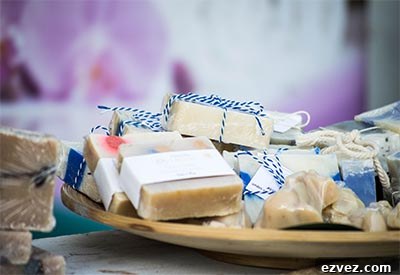
- Cut loaf-shaped soap into bars once it is firm but still pliable; waiting too long can cause cracking.
- Place bars on a rack in a cool, dark, well-ventilated area for six to eight weeks to complete saponification and drying. Keep bars separated to allow airflow.
- After six weeks, test a bar: if it feels soapy or stings, continue curing. Properly cured soap will feel smooth and clean without a harsh or slippery residue.
Although curing takes time, making soap from rendered tallow is rewarding and reduces waste by using a whole-animal resource. Once you master the basics, you can experiment with different oil blends, essential oils, clays and botanicals to create unique bars tailored to your preferences.
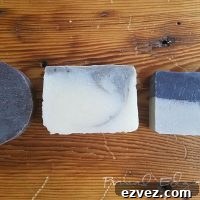
Rosemary Lime Tallow Soap Recipe
Equipment
- Mixing bowls
- Thermometer
- Immersion blender
- Soap mold
- Bath towels
- Knife or soap loaf cutter
- Wire rack
Materials
- 8 ounces beef tallow
- 3 ounces coconut oil
- 3 ounces extra virgin olive oil
- 1.5 ounces castor oil
- 0.25 ounces rosemary essential oil (added at trace)
- 0.25 ounces lime essential oil (added at trace)
- 2.14 ounces lye (sodium hydroxide)
- 4.79 ounces cold water
- 1 teaspoon clay (optional)
Instructions
- Gradually add lye into cold water, stirring until dissolved. Cover and cool to about 110–120°F (1+ hour).
- Heat tallow and other oils until liquid, then cool to about 100–110°F.
- Slowly pour the lye solution into the fats while stirring. Alternate short bursts with an immersion blender and stirring. Watch for trace; add clay during final mixing if using.
- When trace is achieved, pour into prepared mold (silicone or parchment-lined).
- Tamp out air bubbles by tapping or shaking the mold. Optionally spray the top with alcohol to reduce soda ash.
- Insulate the mold with towels; small molds rest 24 hours, loaf molds 48 hours.
- Remove soaps from molds, cut into 1-inch bars, and cure for 6–8 weeks on a rack in a cool, ventilated, dark area.
- Test after six weeks. If the soap feels soapy or stings, continue curing.
Notes
Clay is optional and adds a soft feel and natural color to bars. For a subtle green, French green clay or bentonite work well.
To make a 100% tallow bar, use a lye calculator to determine correct lye and water amounts based on the fat amount and your desired superfat percentage. A 5–6% superfat is a balanced, moisturizing choice for personal soap.
Handmade tallow soap makes a thoughtful gift. If you enjoy crafting personal care products, try other tallow-based skincare recipes or pair this project with complementary DIY items for gift sets.