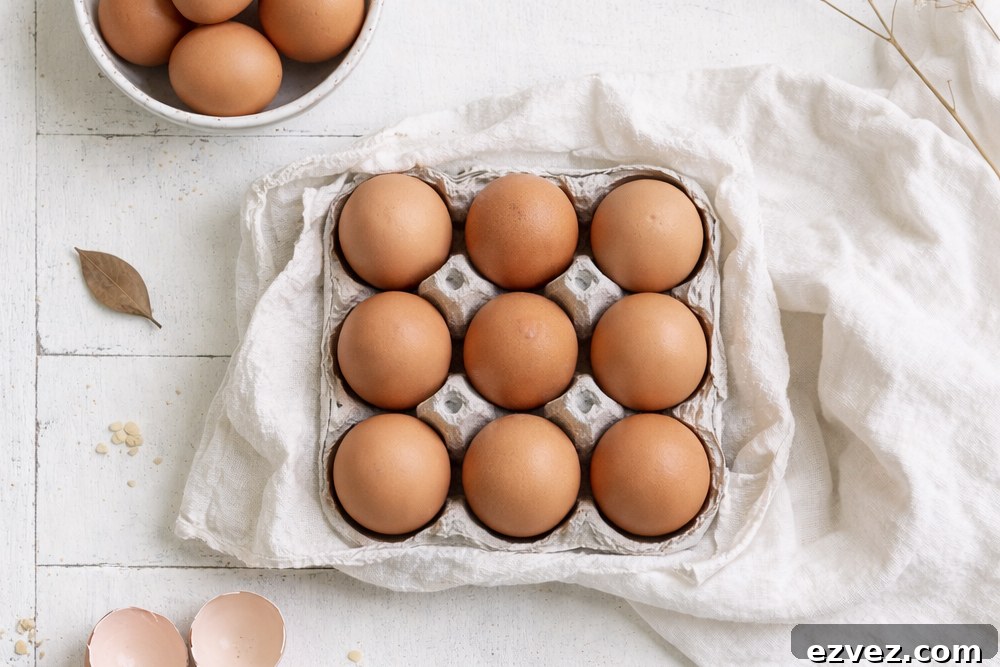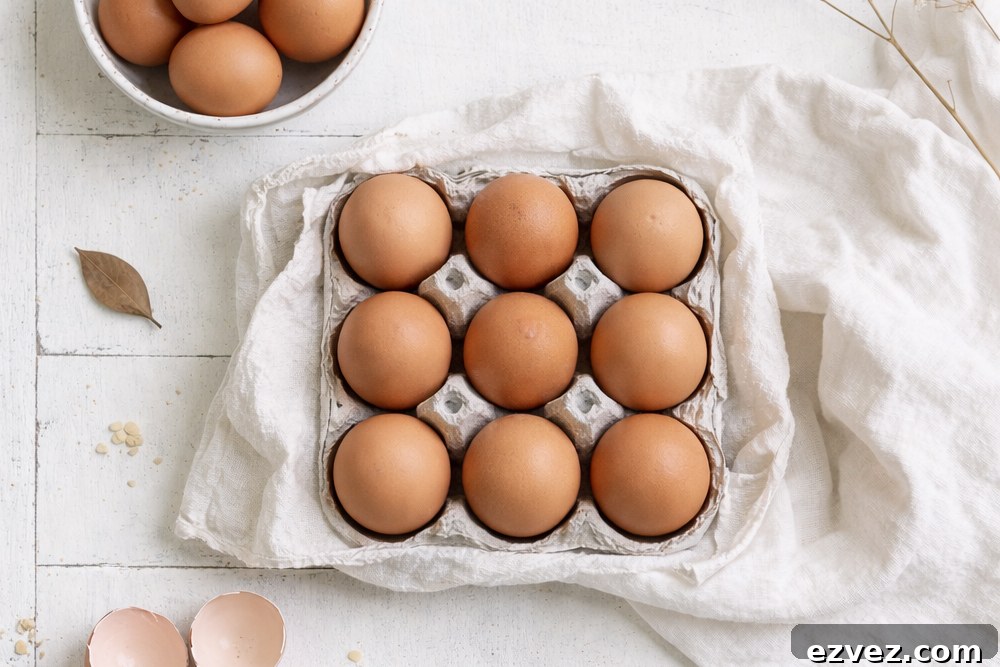
In the chemistry of baking, an egg is more than an ingredient — it’s a unit of measurement that affects texture, rise and moisture.
Precision begins before the oven heats up. From New Zealand’s Grade 6 standard to the heft of a Grade 8 jumbo, the size of your egg can be the difference between a perfect bake and a disappointment.
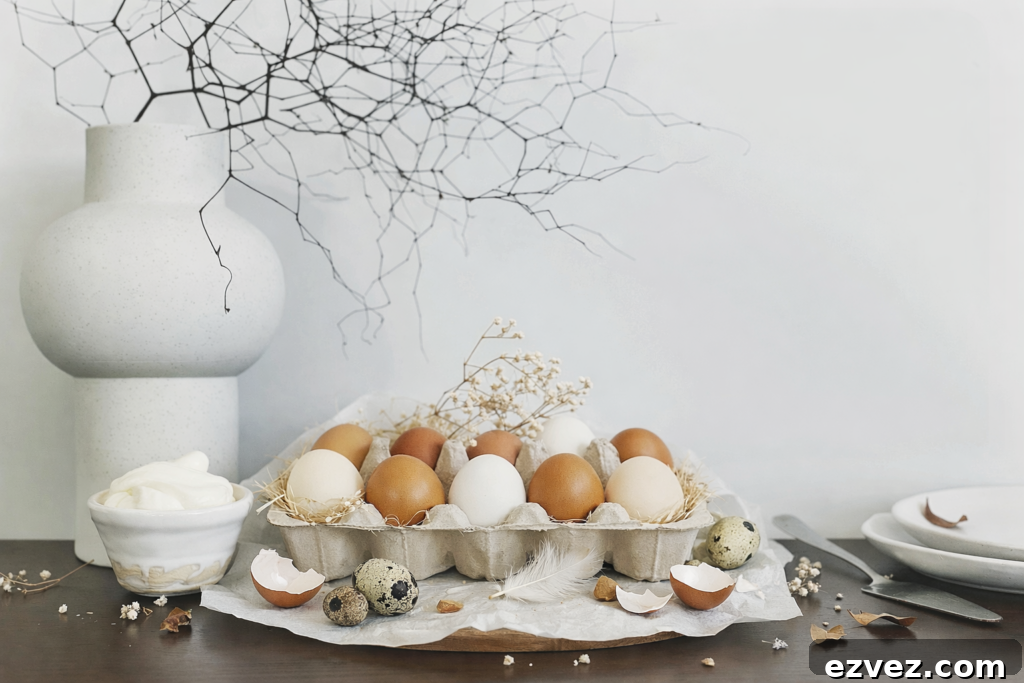
In New Zealand most home bakers use Grade 6 eggs, which typically weigh around 53–58g. Many recipes, including mine, are written for slightly larger eggs (Grade 7), so it helps to know how to adapt when your eggs don’t match the recipe.
- The problem: Substituting a much smaller egg when a recipe calls for large can yield dry cakes and weak structure.
- Rule of thumb: If a recipe doesn’t specify a size, assume 50–60g of liquid egg per egg (roughly Grade 6–7).
- Pro tip: If you only have jumbo eggs, crack and whisk them, then weigh out the exact amount of egg needed for the recipe.
Dane’s tip: Most of my recipes are tested with Grade 7 eggs. If you have Grade 8s, whisk one and remove about a tablespoon of the mixture to avoid overly dense or rubbery results.
Quick Size Guide
| Grade | Name | Min. Weight per Egg | Best Use |
| Grade 4 | Pullet | 43g | Ideal for soft-boiling; generally too small for most cake recipes. |
| Grade 6 | Standard | 53g | The common New Zealand baking standard for many recipes. |
| Grade 7 | Large | 62g | Well suited to rich custards and denser doughs; my preferred size for many bakes. |
| Grade 8 | Jumbo | 68g+ | Use when a recipe specifically asks for extra-large or jumbo eggs. |
FAQs
Q. How do I know if my eggs are still fresh?
A. Use the float test: place an egg in a glass of water. If it sinks and lies flat on its side, it’s very fresh. If it stands on one end, it’s older but usually safe to use. If it floats, discard it — that indicates it’s deteriorated.
Q. Can I use egg whites from a carton?
A. Carton egg whites are pasteurised and convenient for many recipes, but they don’t whip as reliably as fresh whites. For meringues, pavlovas or soufflés, fresh egg whites give superior volume and stability.
Q. Why should eggs be at room temperature?
A. Cold eggs can cause creamed butter to seize and appear curdled. Room-temperature eggs mix more smoothly, helping the batter emulsify, trap air and produce a lighter, more consistent bake.
Q. What happens if I use a large egg when the recipe asks for jumbo?
A. In recipes that use only one egg you might not notice much difference. In multi-egg recipes like sponge cakes, using smaller eggs can reduce total liquid by tens of millilitres, risking dryness or poor rise. When in doubt, weigh your eggs.
Q. I forgot to take my eggs out of the fridge! Is there a quick fix?
A. Place cold eggs in warm (not hot) water for 5–10 minutes to bring them to bench temperature. This is faster and safer than leaving them out for a long time.
Q. Does shell colour matter?
A. No. Shell colour is determined by the hen’s breed and does not affect the egg’s interior quality. Focus on freshness and weight rather than shell colour.