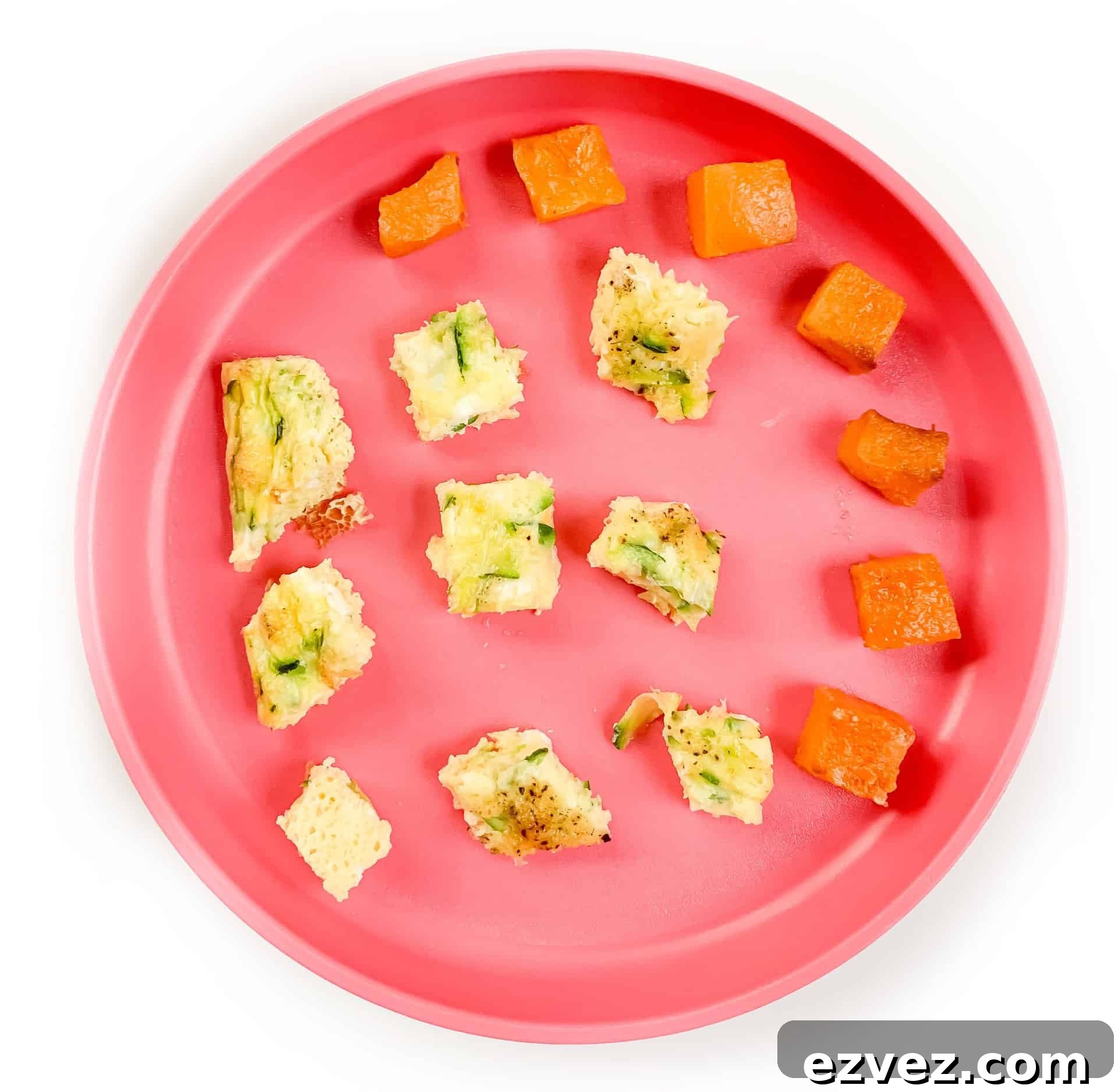
You want your toddler to eat vegetables, but you might be doing something that actually reduces their interest.
When I ask parents what single food they wish their toddler would eat more of, the answer I hear almost every time is vegetables.
Parents recognize that vegetables are nutrient-dense and want their children to benefit from those vitamins, minerals, and fiber.
The thing to stop doing
Many caregivers fall into the “one bite” habit—asking, coaxing, or even bargaining for “just one bite” of a vegetable. It becomes, “If you have one bite of broccoli, you can have dessert,” or “Take one bite of cucumber and then you can go play.”
The problem: this approach doesn’t teach your child to enjoy vegetables. It often teaches the opposite. Vegetables become something to tolerate or endure, a chore to get through before earning something better.
If you’ve been doing this, give yourself permission to stop. It creates a superficial win—you can say your child “ate” a vegetable—but it does not build a lasting preference or positive relationship with those foods.
Your role in helping your toddler accept vegetables
Your role is straightforward: move away from pressure and toward an environment that encourages exploration. That might sound unconventional, but it’s one of the best ways to raise kids who eventually enjoy vegetables.
You don’t want your child growing up with the idea that vegetables are something they must force themselves to eat. Many adults who were pressured to eat certain foods as children still avoid them as adults. Forcing “just one bite” today can become a long-term power struggle that discourages future acceptance.
How to get started
Key steps to begin:
- Don’t require them to eat it. Avoid telling them they must eat or try a vegetable.
- Offer zero pressure. Serve vegetables regularly—aim for at least lunch and dinner—without comment. Don’t ask, “Do you want to try your carrots?” or say, “You haven’t eaten your carrots.” Avoid disappointed body language or remarks that signal disapproval.
- Make vegetables fun. Create playful, low-pressure activities that invite exploration. See the suggestions below for ideas that have worked for other families.
- Be patient. This strategy is designed to encourage tasting and acceptance when the child is ready. It may not happen today, and that’s okay. Teaching a preference for vegetables is more valuable than forcing a single bite right now.
Ideas to make vegetables fun
- Have kids pretend to “teach” others how to eat vegetables—filming an imaginary tutorial can make them excited to demonstrate.
- Use fun food picks instead of forks to turn eating into a playful activity.
- Pretend you’re about to eat their piece in a playful way or say “mine!”—children often laugh and may try it when they see you interested.
- Make a show of calling something “my food” so your child can “steal” it back; laughter and play reduce pressure and sometimes lead to eating a full portion.
- Role-play animals that eat the food: “Let’s munch our carrots like bunnies!”
- Pretend broccoli are trees and create a little imaginative scene around it.
- Play “who can crunch the loudest?” to draw attention to the sensory experience of eating.
- Do a food “cheers”—touch a piece on your fork to theirs and say “cheers!” before taking a bite to model enjoyment.
- Focus on senses besides taste: ask “what sound does this make?” or “which food is the juiciest?”
- Play a fishing game where the child pretends to be a fish and the food is the bait.
- Try “play/pause” antics—freeze with a fork mid-air for a laugh, then let them finish the bite when amused.
- Use simple counting games with older toddlers to spark curiosity and participation.
Save this page to reference at mealtime for quick ways to make vegetables more appealing.
Pin it:
If your child is unsure about avocado, try a creamy avocado chocolate pudding—many parents find it an excellent way to introduce the texture and flavor of avocado without pressure.