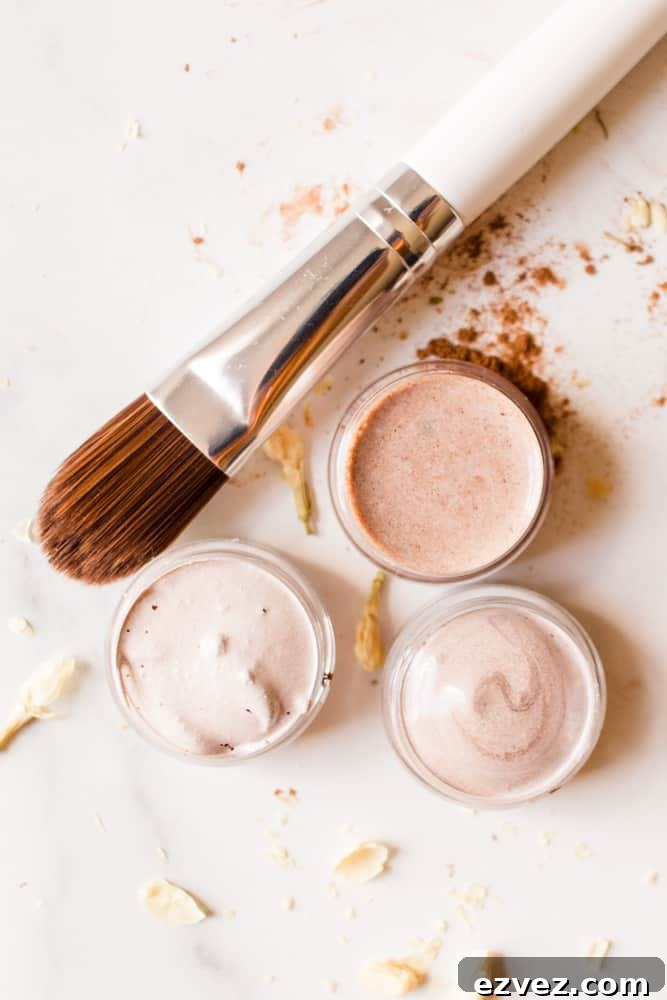
Concealer is one of those makeup essentials I can’t do without. My makeup bag would feel incomplete without it.
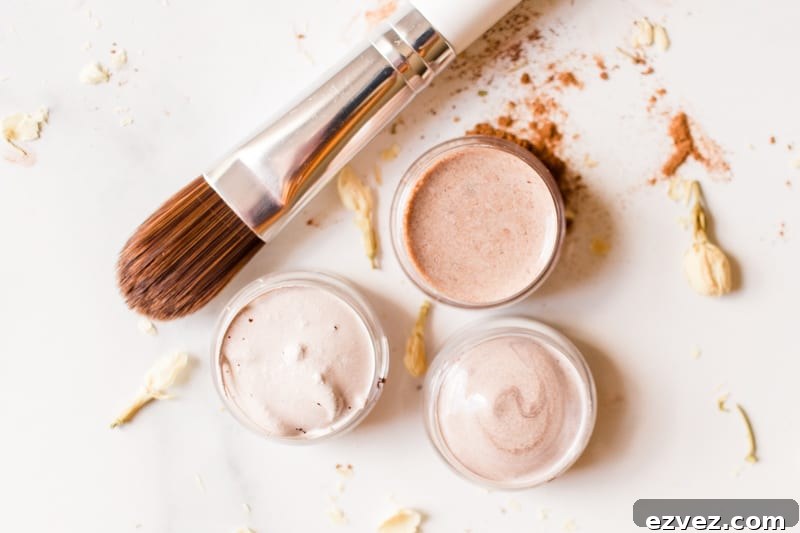
It instantly takes me back to school days when I’d dab it on to hide angry spots, hoping they would disappear or at least stay covered until the end of the day so nobody commented on my skin.
Fortunately, the era of heavy, cakey concealers is behind us. Today there are many options available, and making your own allows you to achieve a perfect skin-tone match while avoiding unnecessary chemicals.
I’m trying to reduce the number of toxins I use, especially on my skin, so creating a natural, homemade concealer felt like a smart move. Below I’ll share a simple, oil-based DIY concealer recipe that’s gentle, blends well, and is easy to adjust for different skin tones.
What is a concealer used for, and how concealer works
Concealer is similar to foundation but is used in targeted areas to cover blemishes, redness, dark spots and under-eye circles. Because it’s applied precisely, it provides stronger coverage in small spots without needing to coat the entire face.
With a DIY version you can adjust the ingredients to suit skin type—balancing oils for oilier complexions or using richer but non-comedogenic oils for drier skin. A natural formula reduces exposure to synthetic preservatives and fragrances, which many people prefer for sensitive skin.
Can I use concealer as foundation?
I don’t recommend using concealer as a foundation. Concealer typically has a thicker consistency and is designed for spot coverage. Applied all over, it can feel heavy, may not spread evenly, and could clog pores. Use foundation as your base and reserve concealer for targeted coverage where you need it most.
Does concealer go on before or after foundation?
Apply foundation first, then use concealer as a finishing product. Concealer is intended to hide any remaining imperfections that foundation didn’t fully cover, so it’s best used toward the end of your makeup routine and blended well into the skin.
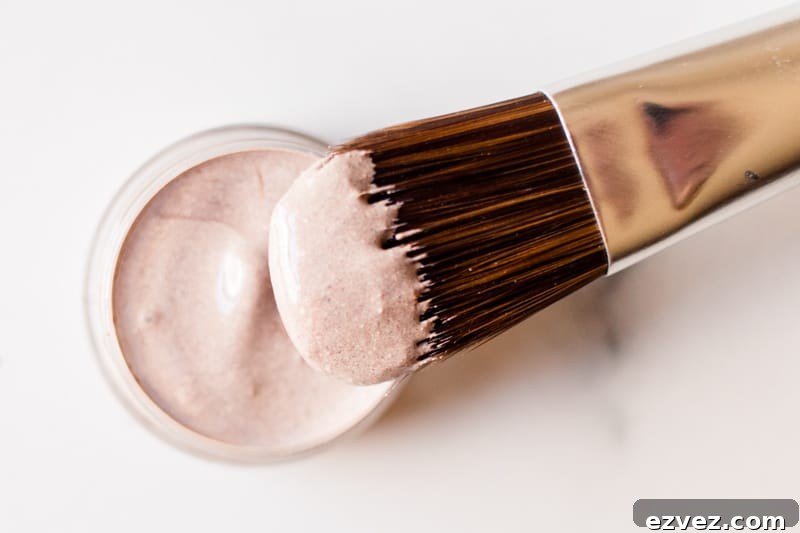
The best natural concealer
This DIY concealer is oil-based, light to blend, and gentle on the skin. I use it regularly to cover blemishes and under-eye shadows, and I like that I can tweak the tint so it matches my skin perfectly.
Below you’ll find guidance on choosing the right shade and the full recipe with simple instructions. The colorants used are common kitchen and cosmetic powders that blend smoothly into the base.
Choosing the right shade
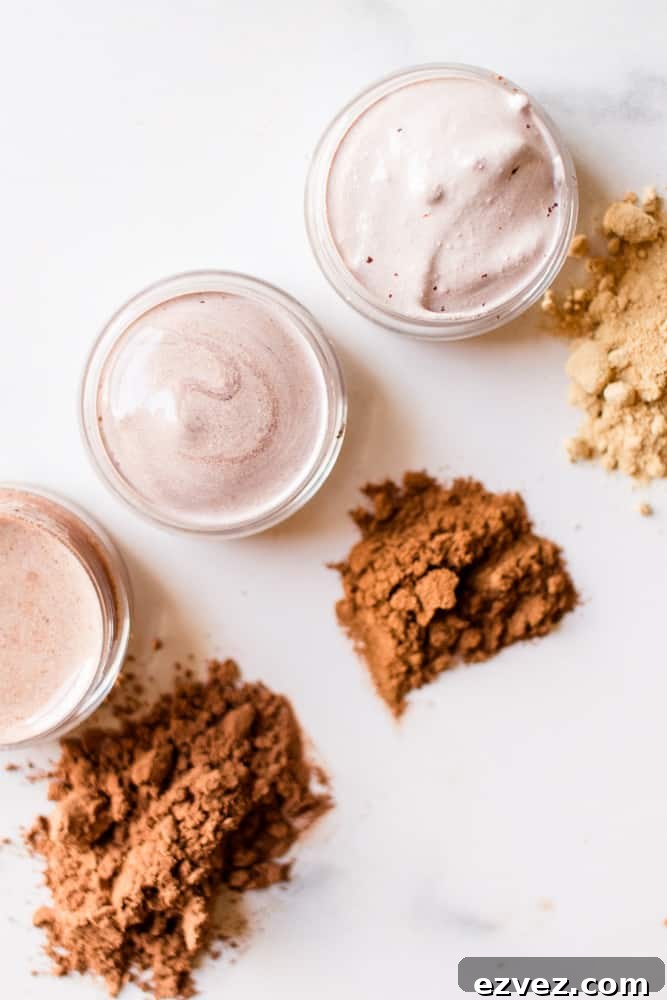
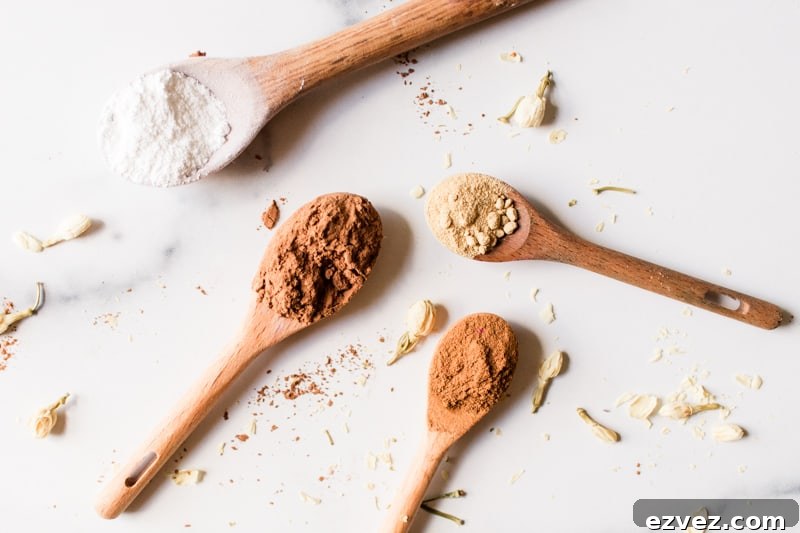
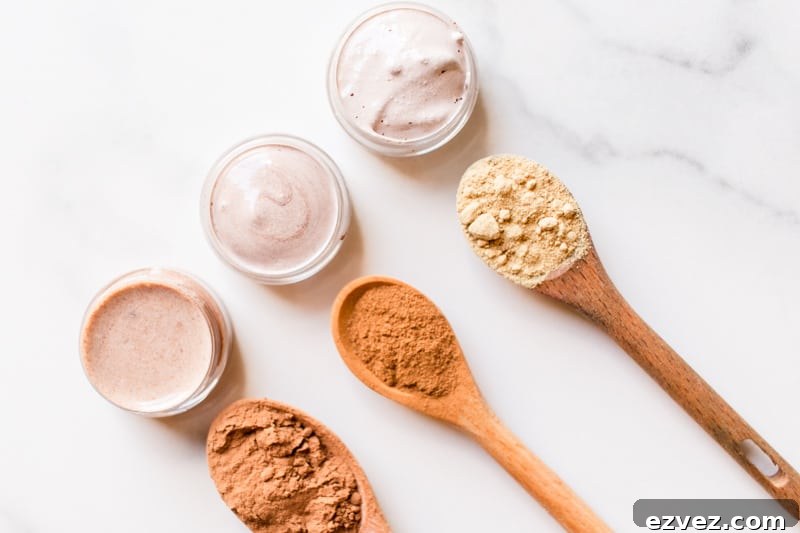
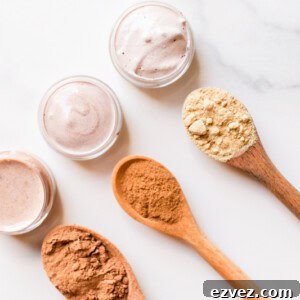
Match the concealer in natural daylight for the most accurate tint. Start with a small amount of colorant—about 1/4 teaspoon—then add more gradually until you reach the right shade. Test on the inner wrist or jawline as you mix; these areas give a close match to your face.
Here are easy, natural options for tinting:
- Cocoa powder for darker skin tones
- Cinnamon for medium skin tones
- Ginger or ground turmeric (in very small amounts) for light skin tones
Adjust carefully and blend well as you go so you don’t over-pigment the mixture.
DIY Concealer recipe
Ingredients
- 1 teaspoon jojoba oil
- 1 teaspoon argan oil
- 1 teaspoon mango butter
- 1/4 teaspoon emulsifying wax
- 1 teaspoon castor oil
- 1 tablespoon non-nano zinc oxide
- 1/4 teaspoon natural colorant (see shade guidance above)
Instructions
- Combine the jojoba oil, argan oil, mango butter and emulsifying wax in a small saucepan.
- Melt over low heat, stirring until fully combined.
- Remove from heat and stir in the castor oil, non-nano zinc oxide and your chosen colorant. Mix thoroughly until even.
- Allow the mixture to cool, then transfer to a clean glass jar for storage.
- Use after primer and foundation for the best results, applying only to the areas that need extra coverage.
Tips on how to apply concealer
Apply concealer with a clean finger, a small brush, or a fine applicator—whichever you prefer. If you use your fingers, wash them first. Dab gently and blend by patting rather than rubbing to maintain coverage and a natural finish.
Can you wear concealer without foundation?
Yes. If your skin looks even overall and you only want to cover a few spots or under-eye shadows, concealer alone can be enough. It’s perfect for quick, minimal makeup routines.
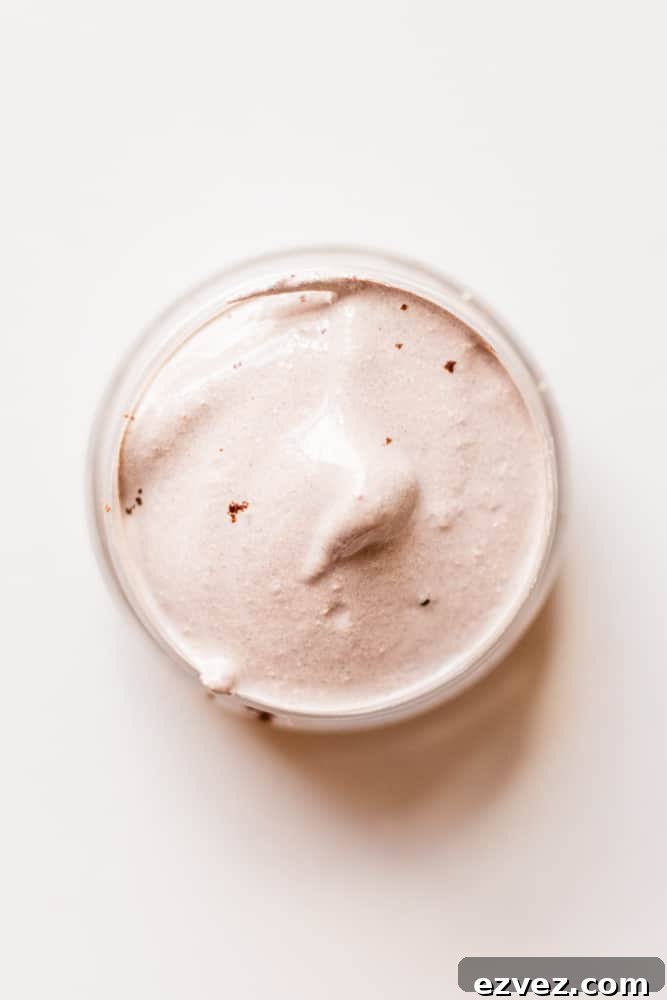
Give this DIY concealer a try and adjust the tint until it matches your skin. It’s a simple, natural way to hide imperfections without relying on heavily processed products. I’d love to hear how it works for you—share your experience if you try it.
- How to make matte lipstick
- Homemade eyeliner
- Facial toner
- Smudge-free mascara
- 3 highlighter recipes for all skin types
- All-natural makeup remover
- At-home makeup brush cleaner
Concealer Recipe
Pin
Equipment
-
Storage container
-
Applicator brush
Ingredients
- 1 tsp jojoba oil
- 1 tsp argan oil
- 1 tsp mango butter
- 1 tsp castor oil
- ¼ tsp emulsifying wax
- 1 tbsp non-nano zinc oxide
- ¼ tsp natural colorant of choice
Instructions
-
Add the jojoba oil, argan oil, mango butter and emulsifying wax to a small saucepan.
-
Melt over low heat, stirring to combine as it melts.
-
Remove the pan from the heat.
-
Add the castor oil, zinc oxide and your chosen colorant. Stir until evenly mixed.
-
Transfer to a glass jar for storage and let cool completely before use.
Notes
This recipe is for personal use and not intended for medical claims. Always test a small patch and use your own judgement before widespread application.