
Have you heard that March is National Nutrition Month? This year’s theme is Put Your Best Fork Forward, and I’m celebrating by eating my way through Israel—enjoying lots of fresh Mediterranean flavors along the way.
Israel’s Mediterranean cuisine highlights fresh vegetables, olive oil, legumes and whole grains, which fits perfectly with my usual approach to food. I’ve been loving the produce and simple, flavorful meals here.
Anyyywhooo—for week eight of my 52 Weeks to See Your Life Nutritionally series I’m sharing 5 ways to eat less sugar and what it was like when we tried an added-sugar detox at home.

A couple of weeks ago S and I did a #SugarDetox. I posted about it on Instagram and shared lots of photos of our meals. For seven days we eliminated all added sugar from our diets.
Gasp!
What would happen if I skipped my nightly square of dark chocolate or if my partner had to switch his beloved vanilla Siggi’s to plain?
Spoiler: we survived.
To be fair, neither of us consumes excessive added sugar on a regular basis. I like ketchup, but I usually use a lower-sugar version with extra veggies. We prefer 85% dark chocolate and try to choose bean-to-bar whenever possible. Healthy eating matters to us, so we prioritize vegetables and nutritious foods throughout the week.
So why did cutting added sugar feel so difficult?
One word: deprivation.

I felt restricted and like I couldn’t eat what I wanted when I wanted to, and that wasn’t fun. I believe food should be enjoyed, and removing another pleasurable item from my list felt like a loss—even if the foods I eat are generally wholesome. Tiny amounts of added sugar—ketchup, a drizzle of honey, a spoonful of seed butter, a square of chocolate—add up and are part of foods I genuinely enjoy.
Even my 85% dark chocolate started to look ominous, and I wondered why I was doing this experiment at all. But there’s a broader reason to be mindful: Americans are eating more sugar than ever, and it’s hidden in products from ketchup to bread. Food manufacturers have learned that consumers respond to sweeter, saltier and fattier products, and that has shaped our palates and eating habits.
Biologically, our brains are wired to crave sugar, salt and fat. Manufacturers leverage that wiring, which can harm our health, waistlines and taste preferences over time.
After removing even healthier sources of added sugar, I noticed how much sweeter the everyday foods I eat actually are. The result: I need less to satisfy cravings. I barely reached for my chocolate during the detox—except for an irresistibly good granola sample I tried.
Dietary guidelines recommend limiting added sugar to less than 10% of daily calories or about 25 grams per day. I personally aim lower. Added sugar is linked to higher risk of diabetes, heart disease, some cancers, Alzheimer’s, obesity and more. Sugar is not a nutrient our bodies need—even if we crave it.
How did our week go? Overall, the experiment was worthwhile. It helped both of us take a closer look at our normal eating patterns and recognize hidden sources of added sugar. Here’s what worked for us during the detox:
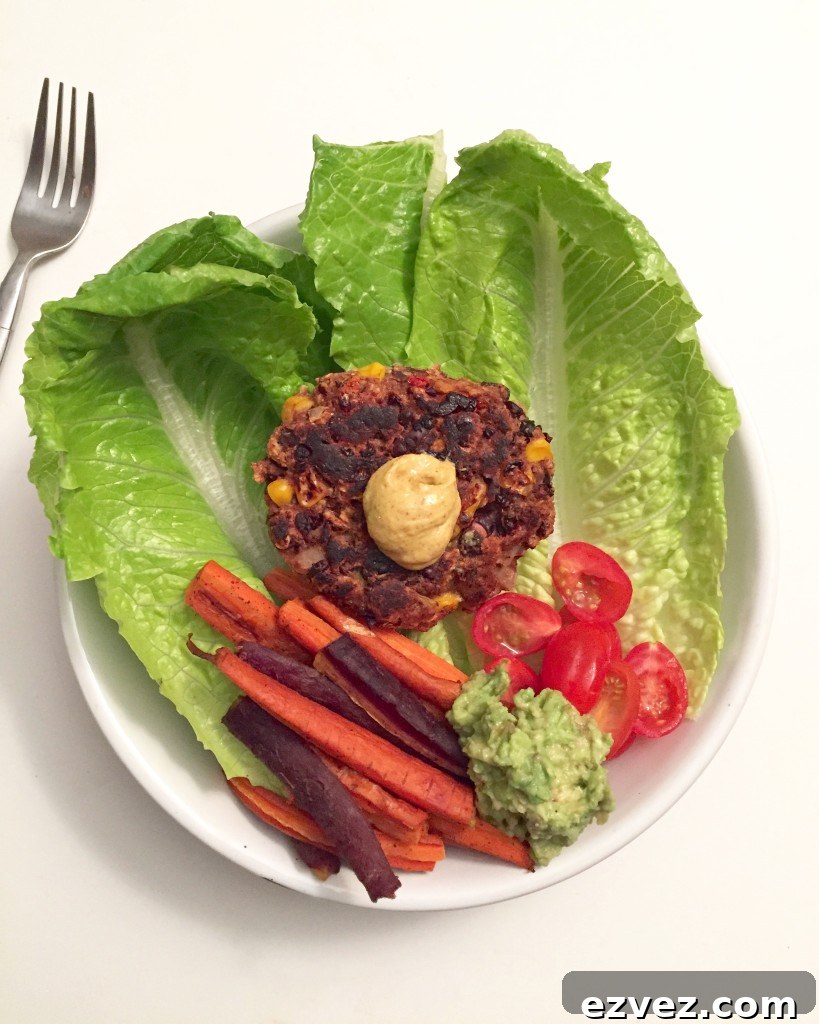
- I ate a reliable source of protein and healthy fat at every meal—examples include bean burgers with avocado and lentil bolognese.
- I kept healthy, sugar-free snacks on hand: dry roasted edamame, fresh-cut veggies with hummus, guacamole and whole grain crackers.
- I roasted lots of vegetables to highlight their natural sweetness—think roasted butternut squash and roasted carrots as “fries.”
- I made my own sunflower seed butter with no added sugar.
- I eliminated dried fruit to avoid concentrated sweetness, and used fresh or frozen fruit to satisfy sweet cravings.
- I swapped ketchup for no-sugar-added marinara on eggs and in recipes.
Aside from some early frustration, I didn’t feel dramatically different—likely because my baseline sugar intake was already moderate. Energy and workouts stayed about the same, though my digestion remained variable. One observation: after the detox, a few sweets seemed to affect my skin, which was clearer during the sugar-free days—food for thought.
If you suspect you eat too much added sugar, I challenge you to try cutting it out for seven days. It’s a simple experiment to evaluate your diet and notice how you feel.
Here are 5 ways to eat less sugar
- Eat as close to the earth as possible. Focus on foods close to their natural state: fresh vegetables, fruit, lean meats, beans, legumes and whole grains. These whole foods reduce reliance on processed items that often contain added sugar.
- Check all food labels. Ingredient lists are essential—look for sugar and its many aliases (cane syrup, brown rice syrup, evaporated cane juice, etc.). Knowing label language helps you avoid hidden added sugars.
- Balance your plate. Aim for a combination of protein, healthy fats, vegetables and whole grains at each meal. Balanced meals help prevent hunger-driven sugar cravings.
- Compare condiments. Many condiments (ketchup, BBQ sauce, salad dressings, tomato sauces) are significant sources of added sugar. Read labels and choose no-sugar-added options when available.
- Be prepared. Avoid getting home hungry and reaching for sugary convenience foods by stocking your fridge and pantry with fresh produce, lean protein and sugar-free snacks. Air-popped popcorn is an easy, whole-grain snack you can season to taste.
Bonus tip: stay hydrated. Adequate hydration can reduce cravings. Adding a squeeze of lemon can help your taste buds adjust to less sweetness by introducing pleasant sour notes.
What do you think? How do you cut back on sugar in your diet? XO
Let’s get social!
Facebook: C it Nutritionally
Twitter: @ChelseyAmerRD
Instagram: @CitNutritionally
Pinterest: ChelseyAmer
Note: This post contains affiliate links, which means I may earn a small commission if you purchase products linked in this post, at no additional cost to you.