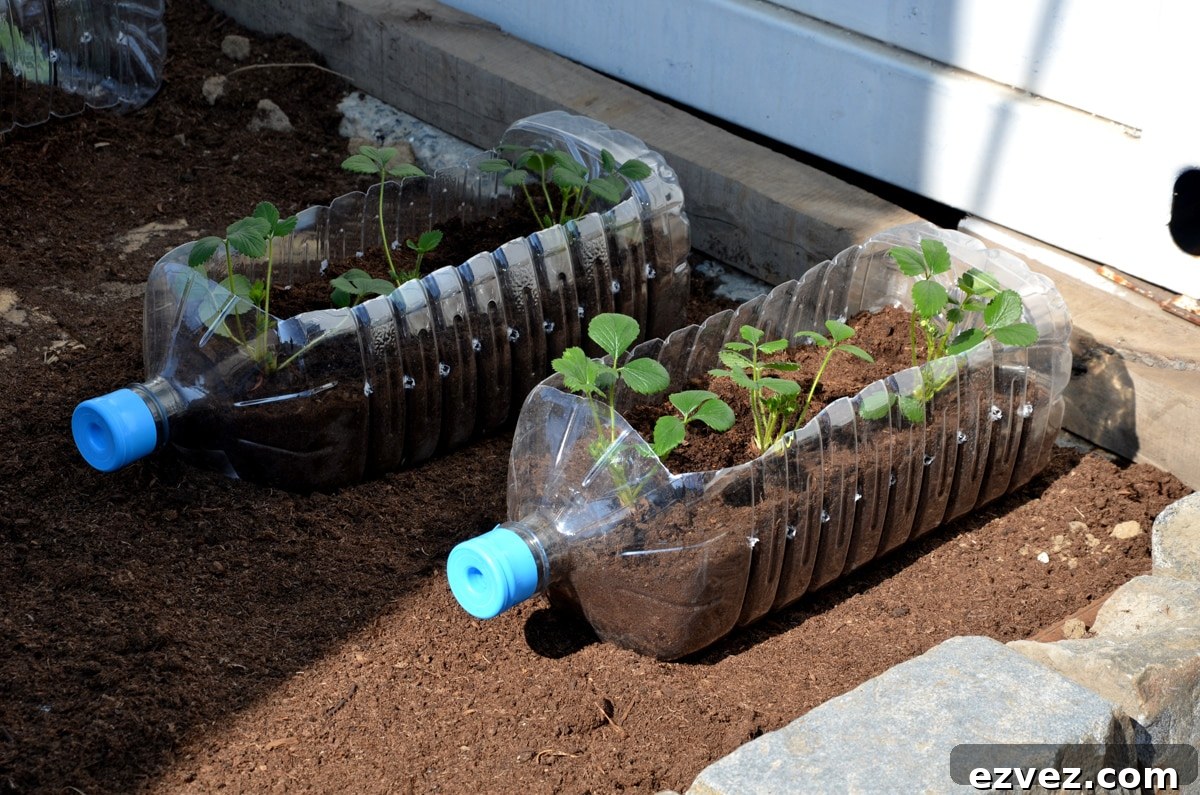
People have gardened for free for thousands of years — you don’t need to rely on expensive nursery plants and products. Here’s everything you need to know to start a garden for free or very cheaply.
As a child I grew up with parents who maintained extensive gardens. Collecting seeds, taking cuttings, making fertiliser and compost, and using free mulch were everyday practices. Free gardening isn’t a recent trend — it’s how people have sustained themselves for millennia.
Today I have a small courtyard that sometimes bursts into lush, tropical colour and at other moments looks like a concrete yard, depending on how much time we can spare. Recently my daughter wanted to grow flowers, so we bought a punnet of seedlings. That was quick and convenient, but it skipped many of the gardening skills I learned growing up.
Gardening for free is about more than saving money. It preserves timeless skills, fosters self-reliance, and provides an enjoyable hobby that benefits both mental and physical health.
With a bit of patience and creativity, you can start a productive garden at little or no cost. This guide collects practical, low-cost strategies for establishing and maintaining a garden without breaking the bank.
- Top Tips When Starting a Garden
- Establishing Your Garden for Free
- Where to Get Free or Dirt-Cheap Soil
- Turning Dead Dirt into Rich Soil
- Free Garden Edging and Raised Beds
- Free Pots and Planters
- Free Compost
- Free Garden Mulch
- Free Fertiliser
- Filling Your Garden with Free Plants
- Growing Plants From Scraps
- Free Plants from People
- Plants for Pennies
- Saving Seeds
- Taking Cuttings
- Garden Maintenance
- Free Water
- Managing Garden Problems and Challenges
- Free Garden Tools
Top Tips When Starting a Garden
Start small. A handful of pots, a single raised bed or a vertical planter lets you learn without becoming overwhelmed. Small-scale projects make it easier to succeed and build confidence.
Soil health and plant selection matter. Building healthy soil takes time, and learning which plants suit your location and microclimate will improve your results.
Consider your garden’s aspect and conditions: how much sun or shade does the spot receive? Are you in a frost-prone area or a warm climate? Choose plants that match your conditions and the right season for planting.
You can garden without a backyard by using recycled containers on a balcony or windowsill. Even a small collection of easy-to-grow vegetables or herbs will give fast rewards and build experience.
Establishing Your Garden for Free
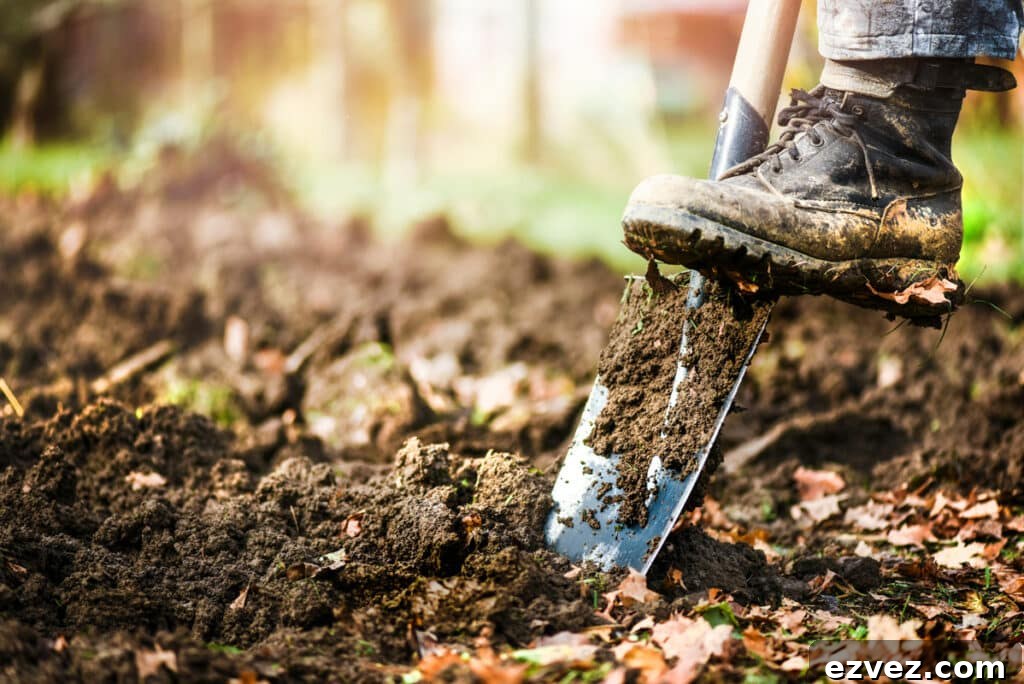
The simplest place to start is with the soil you already have. If you have ground to dig into, plant directly. If not, use containers or build raised beds from reclaimed materials.
Where to Get Free or Dirt-Cheap Soil
Buying soil is an option, but you can often source free or inexpensive dirt. Ask questions about where it came from to avoid contaminated material. Clean fill should be free from chemicals, construction waste and persistent weeds.
Check local community groups, online marketplaces, construction sites, landscaping companies, or friends renovating their yards. If you can pick it up yourself you’ll avoid delivery fees.
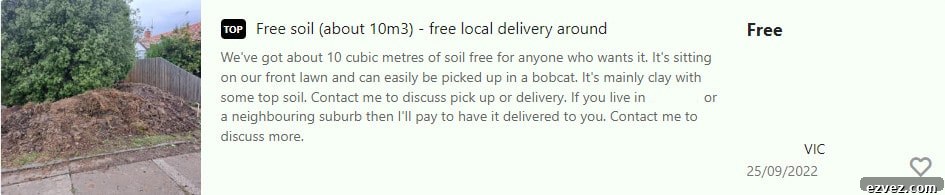
Topsoil is the nutrient-rich surface layer; fill or clean fill is lower-quality subsoil. Topsoil is better for planting, but fill can be improved over time with compost, mulch and organic matter.
Poor-quality soil is not a deal-breaker — it can be improved. In many cases it’s better to build up inexpensive soil than to rely on costly premixed bags.
Turning Dead Dirt into Rich Soil
Rebuilding soil health takes patience. Avoid chemical herbicides and synthetic fertilisers. Add compost, leaf litter, coffee grounds, crushed eggshells and other organic matter to enrich the soil.
Regular applications of compost and mulch, along with minimal soil disturbance, will gradually develop a living, fertile soil that supports healthy plants.
Free Garden Edging and Raised Beds
Garden edging keeps soil and mulch in place and can be made from reclaimed materials. Look for free or low-cost options at tip shops, online marketplaces or salvage yards. Ideas include reclaimed timber, old sleepers, bricks, rocks, or recycled objects.
Raised beds can be built from pallets, old fence palings, reclaimed sleepers, bricks, baths, troughs, or even reused furniture. Ensure good drainage by drilling holes where needed.

Free Pots and Planters
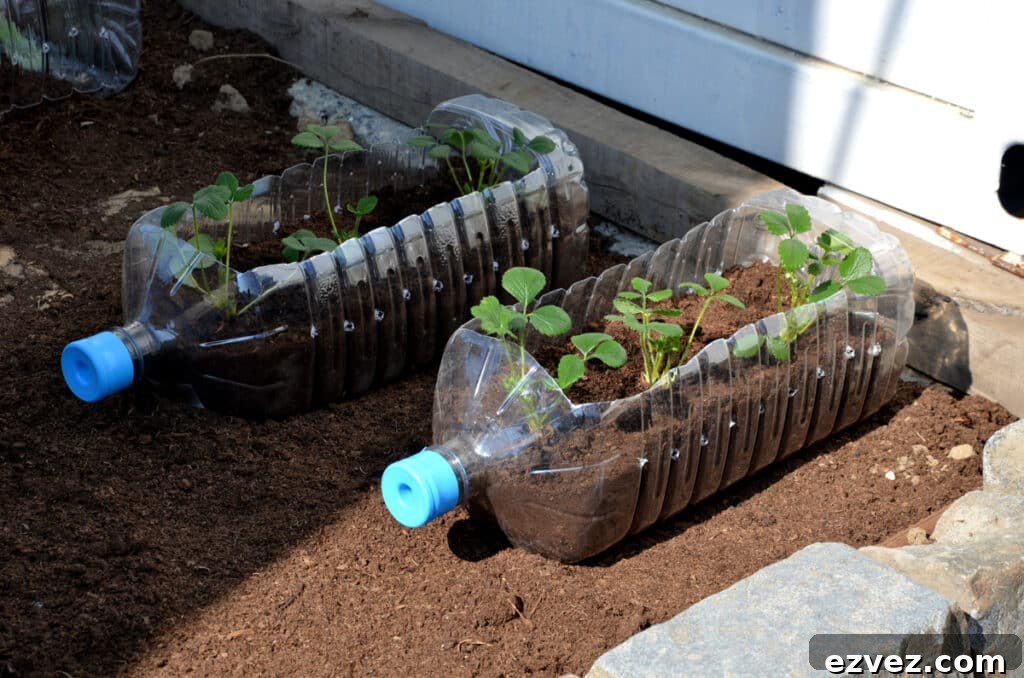
Any container that holds soil and drains is a potential planter. Reuse egg cartons for seedlings, yogurt tubs, milk bottles, tins, styrofoam boxes, old boots, baskets, wheelbarrows or pallets for vertical gardens. Punch drainage holes where necessary.
Collect recycled materials from council collection day, tip shops and salvage yards. Old pantyhose or fabric strips make gentle ties for plants; fallen branches and bamboo work well as stakes.
Free Compost
Compost is one of the easiest resources to make for free. Use kitchen vegetable scraps (no meat or dairy) and mix them with brown materials such as dried leaves, cardboard and shredded paper. Maintain a roughly balanced green-to-brown ratio and turn the pile periodically.
Compost bins can be homemade from buckets or barrels, or you might access subsidised bins through local council programs. Once compost resembles dark crumbly soil, use it to enrich garden beds.
Free Garden Mulch
Mulch conserves moisture, moderates soil temperature and suppresses weeds. Use fallen leaves, weed-free grass clippings or chipped green waste. Many councils and tree loppers offer free mulch; local farms or community groups can also be sources.
Shred bulky leaves before spreading to prevent mats that repel water. Neighbours often have usable leaf litter or woody prunings they’re happy to share.
Free Fertiliser
Aged or composted manure is a valuable, low-cost fertiliser. Look for offers from nearby farms or stables and avoid applying raw manure directly to edible beds unless it has been properly composted or incorporated well before planting.
Comfrey is an excellent living fertiliser: its deep roots mine nutrients and its leaves can be used as mulch or made into liquid feed. Kitchen materials like coffee grounds, tea leaves and crushed eggshells also contribute nutrients.
Filling Your Garden with Free Plants
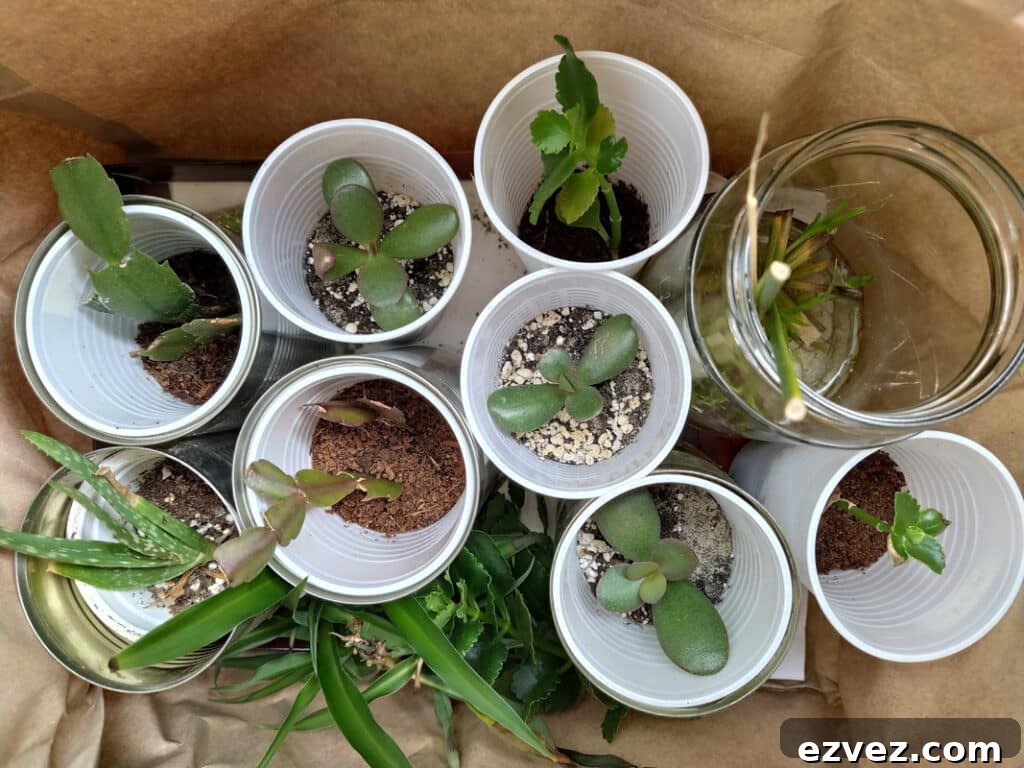
With soil prepared, you can populate your garden using scraps, cuttings, seed saving and plant swaps. These methods take time but are highly rewarding and virtually free.
Growing Plants From Scraps
Many vegetables regrow from kitchen scraps: potatoes, sweet potatoes, celery, green onions, lettuce and more. Potatoes can be planted from eyes, while lettuce and celery bases will regrow when placed in water until roots form, then transplanted.
Free Plants from People
Gardeners enjoy sharing. Ask friends, family and neighbours for cuttings or divided plants, offer to help with pruning or dividing in exchange for plants, or join local plant swaps and community gardens to find free specimens.
Plants for Pennies
Cheap plants can be found on online marketplaces, at garage sales, local markets, clearance sections at nurseries or supermarkets, and through curbside giveaways. Salvaging clearance plants and nursing them back to health is a great way to save money and reduce waste.
Saving Seeds
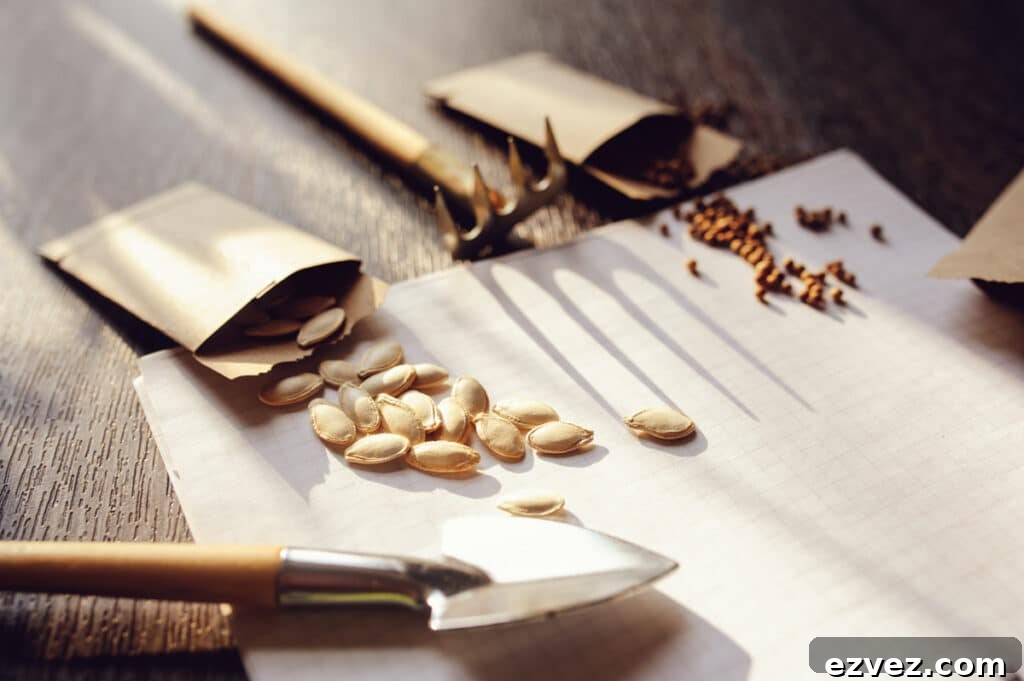
Seed saving preserves biodiversity and reduces long-term costs. Start by collecting seeds from mature, healthy plants. Dry seeds thoroughly before storage and label them clearly. Some crops (like tomatoes) require simple processing such as fermentation before drying; others are straightforward to harvest when pods or fruit are ripe.
Avoid saving seed from hybrid varieties if you want true-to-type offspring — heirloom or open-pollinated varieties are best for seed saving. Keep notes on plant performance so you save seeds from your best specimens.
Taking Cuttings
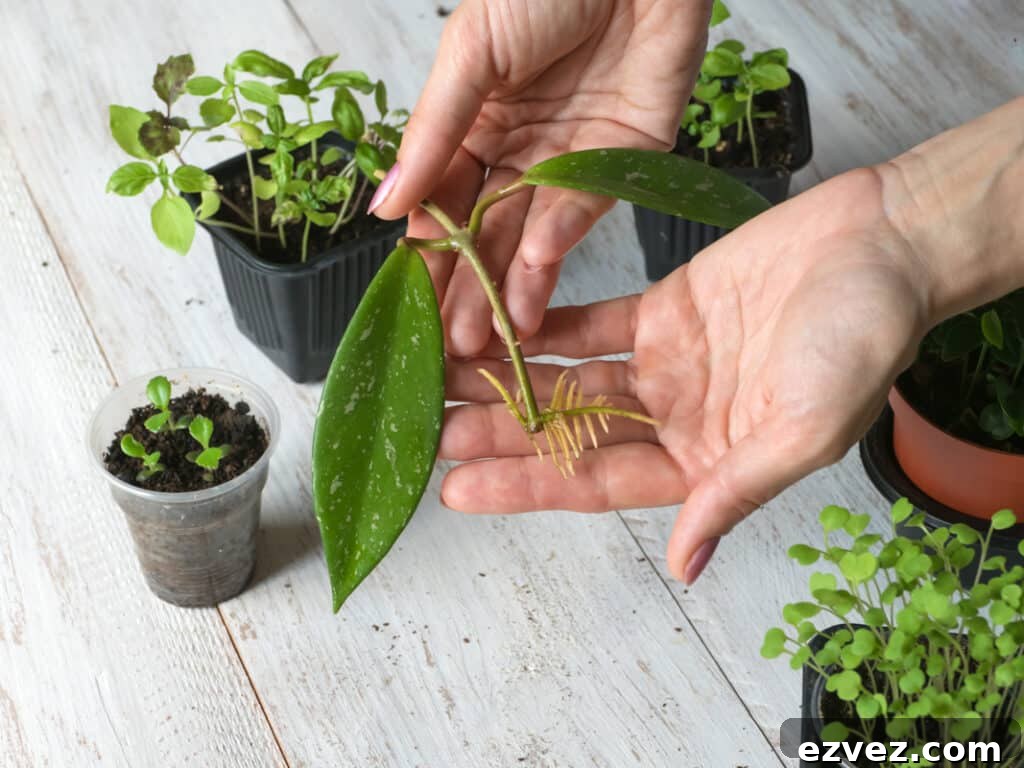
Propagating from cuttings is an efficient way to multiply plants. Always ask permission before taking cuttings from someone else’s garden. Use clean tools and containers, keep cuttings humid while they root and be patient — many plants root easily from softwood or succulent cuttings.
For succulents, leaf propagation is straightforward: place healthy leaves on top of soil and wait for roots and new plants to form. For softwood cuttings, take shoots in spring or early summer, remove lower leaves, and keep them shaded and moist until roots develop.
Garden Maintenance
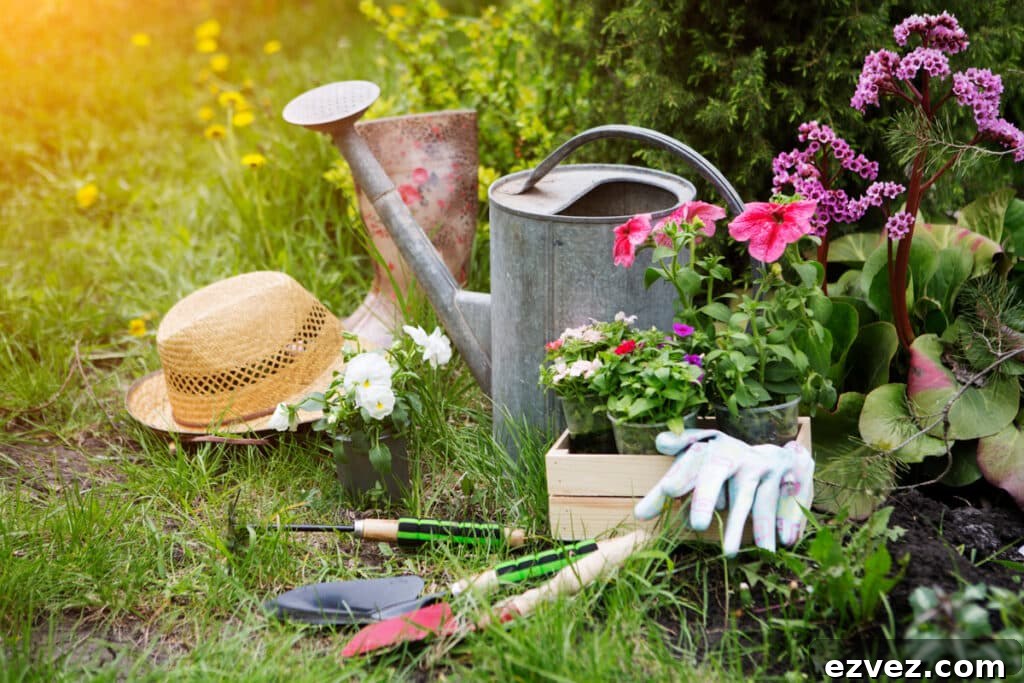
Maintenance can be a pleasure rather than a chore. Regular attention — watering, weeding, pruning and observing plant health — keeps a garden productive. A few well-chosen tools will cover most tasks.
Free Water
Collect rainwater in barrels or containers to reduce mains water use. Small tanks or barrels can often be sourced cheaply or second-hand. Collecting clean shower warm-up water, cooled pasta or vegetable cooking water (unsalted) and aquarium water are other ways to reuse household water. Always keep water covered to prevent mosquito breeding.
Mulch heavily to reduce evaporation and lower your watering needs.
Managing Garden Problems and Challenges
Pests, diseases and weeds are learning opportunities. First assess whether they are truly damaging your goals — minor nibbling may be tolerable. Favor prevention by growing healthy plants in good soil, rotating crops, removing diseased material, and encouraging beneficial insects with diverse plantings.
Natural remedies from the kitchen can help: soapy water deters aphids, garlic and chilli sprays can repel pests, and baking soda or milk sprays can assist with some fungal issues. Diatomaceous earth can reduce slugs and snails. Use chemicals sparingly to protect beneficial wildlife.
Free Garden Tools
You can often borrow, barter or find second-hand tools through local online marketplaces, tip shops and garage sales. Basic useful tools include a spade, garden fork, trowel and secateurs. Quality matters for longevity, but affordable second-hand finds often offer great value.
Gardening for free is simply a modern adaptation of time-tested practices. Look around your community for underused resources — coffee grounds, fallen leaves, reclaimed timber, composted zoo doo or farm manure — and repurpose them to build a productive, low-cost garden.
“My other scores included coffee grounds from nearby shops, fallen leaves from neighbors’ yards, and the occasional pile of discarded oyster or mussel shells from a friend’s dinner table. I loaded my loot into buckets and bags and packed them into our Subaru hatchback. And though we had no farm animals for manure, I scored ‘zoo doo,’ the composted equivalent from elephants, zebras, and other herbivores at Seattle’s Woodland Park Zoo—which, luckily, is about a mile from our house.”