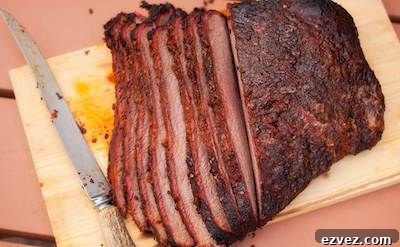
Brisket flats can be awkward to cook: they’re thin, oddly shaped, and have relatively little fat, which makes them prone to drying out. But when handled correctly, a brisket flat can be delicious. If your butcher only has flats available, or you prefer the leaner cut, a few straightforward techniques will help you get a tender, flavorful result. I consulted experienced pitmasters and condensed their best advice for smoking the brisket flat into practical steps you can follow.
Because the flat is lean and mostly muscle, trimming and preparation are important. Trim the fat cap to about 1/4 inch while leaving some fat on the bottom. Dry-brine the flat with kosher salt, and smoke it at a steady 220°F–250°F. To maintain moisture, cook the flat on a pan with some broth or add periodic spritzes. Many cooks wrap the flat in foil or butcher paper once the internal temperature hits roughly 150°F or after a dark bark forms. Finish cooking until the internal temperature reaches around 203°F, then rest the meat for at least one hour before slicing.
| Step | Description |
|---|---|
| 1 | Trim the fat cap to 1/4 inch and leave fat on the bottom |
| 2 | Dry brine with kosher salt and refrigerate for several hours or overnight |
| 3 | Inject with broth or marinade (optional) |
| 4 | Apply a binder (optional) |
| 5 | Sprinkle rub on both sides |
| 6 | Bring the smoker to 220°F and add wood chunks |
| 7 | Place the brisket flat in the smoker and in a pan (optional) |
| 8 | Mop or spritz every hour |
| 9 | Wrap at 150°F or when the bark has developed |
| 10 | Cook until the internal temperature reaches 203°F |
| 11 | Rest for 1 hour or hold in a dry cooler for up to 4 hours |
Tips:
- Choose a brisket flat with good marbling to help keep the meat juicy during the long cook.
- Dry brining helps a lean flat retain moisture and boosts flavor—simple and effective.
- Keep the smoker temperature steady between 220°F and 250°F and use indirect heat for best results.
- If you’re new to smoking, practice with cheaper cuts until you gain confidence controlling your smoker.
Key Points To Remember
- Brisket flats are lean and pure muscle, which makes them prone to drying out and becoming tough without proper technique.
- Trim the fat cap to about 1/4 inch, dry-brine with kosher salt, and consider injecting with broth for extra moisture.
- Apply a binder if desired, rub generously, smoke low and slow in the 220°F–250°F range, and mop or spritz periodically.
- Wrap when the bark develops or at about 150°F, finish to about 203°F internal, then rest well before slicing.
- Choose a flat with good marbling and maintain consistent smoker temperatures for the best outcome.
Smoked Brisket Flat
Ingredients
- Brisket flat
- Barbecue rub
- Binder (olive oil or yellow mustard)
- Spritz (apple cider vinegar or apple juice)
Instructions
- Trim fat cap to 1/4 inch but leave fat on the bottom.
- Dry brine with kosher salt and refrigerate for several hours (overnight if possible).
- Inject with broth or marinade (optional).
- Apply a binder (optional).
- Sprinkle rub on both sides.
- Bring smoker up to 220°F–250°F.
- Add a few chunks of wood for smoke.
- Place brisket flat in the smoker.
- Place flat in a pan if desired to protect the underside (optional).
- Mop or spritz every hour during the early cook.
- Wrap once the internal temp reaches about 150°F or when a dark bark forms.
- Cook until internal temperature reaches roughly 203°F.
- Rest for at least 1 hour, or hold in a dry cooler for up to 4 hours.
Nutrition Information:
Serving Size:
3 oz
Amount Per Serving:
Calories: 238
What is a Brisket Flat?
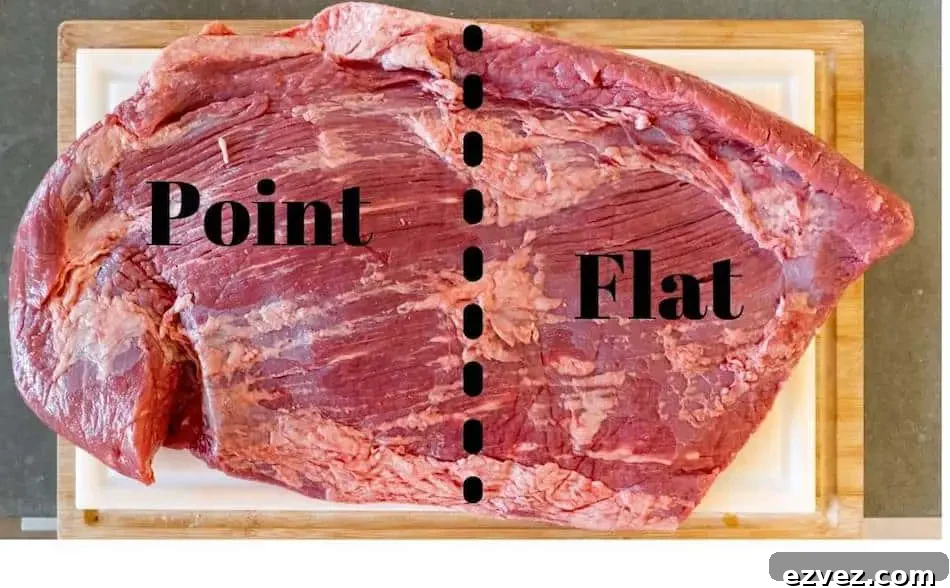
Brisket consists of two main muscles: the flat and the point. The flat is the narrower, thinner end, while the point is thicker and fattier. Butchers may sell whole brisket combining both muscles, or sell the flat separately as a smaller roast. If you can choose, a whole brisket or a larger point offers more fat and is generally easier to manage for consistent juiciness.
How To Choose A Good Brisket Flat
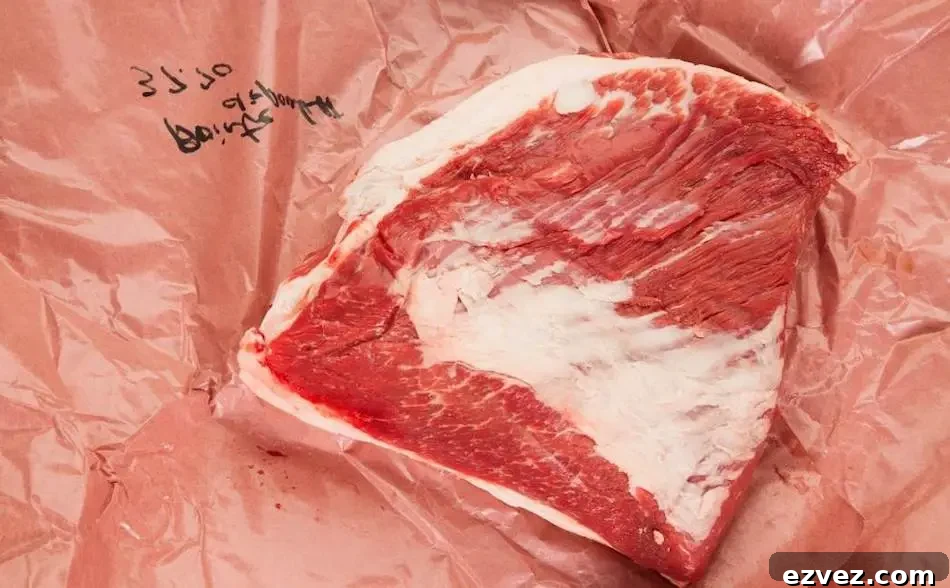
When only flats are available, select one with even thickness and as much marbling as possible. Marbling—the thin veins of fat inside the meat—adds flavor and helps retain moisture during the long cook. Avoid flats that thin dramatically at one end; even thickness helps the meat cook uniformly.
Why is The Flat Difficult To Cook?
The flat’s leanness and muscle composition make it a challenge: it can become dry or tough if overcooked or if smoked too hot. Choosing a well-marbled flat, protecting the underside with fat or a pan, and cooking low and slow will greatly improve the chances of a tender outcome.
How To Trim A Flat
Rinse and pat the brisket dry when you unwrap it. Trim heavy fat from the top but leave about a 1/4-inch fat cap to shield the meat and keep it moist. If there’s fat on the bottom, leave it in place to help prevent the underside from drying out.
Dry Brine
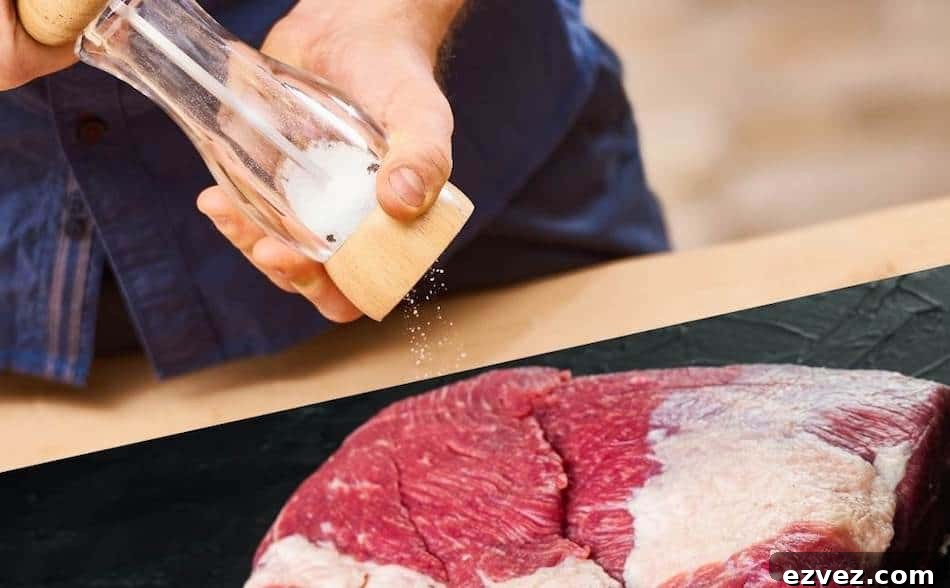
Dry brining is a simple, effective way to keep a flat juicy. Sprinkle kosher salt evenly on both sides and refrigerate for several hours or overnight. Salt helps the meat retain moisture and imparts deeper flavor. When using a dry brine, reduce salt in your rub to avoid over-seasoning.
Can You Inject A Flat?
Injecting with broth or an injection solution is optional but common in competition barbecue to add flavor and moisture deep in the meat. A simple bone broth works well. Injecting helps counter moisture loss over the long cook, especially for lean flats.
The Best Rub
Rubs range from simple salt-and-pepper blends to complex spice mixtures. Making your own rub lets you control salt content and avoid excess sugar. A basic rub with salt, pepper, and a touch of garlic works excellently on brisket flats.
Apply A Binder
Binders like yellow mustard, olive oil, or mayonnaise are optional. Their main role is to help the rub adhere and aid bark formation; they don’t add noticeable flavor when used sparingly.
The Best Wood For Brisket Flat
Brisket pairs well with robust woods: hickory, pecan, post oak, maple, or mesquite if you like a strong smoke flavor. Avoid smoldering or “dirty” smoke—clean-burning wood produces the best taste.
What Temperature?
Maintain the smoker between 220°F and 250°F. Low and slow, with indirect heat, is essential to avoid drying the flat. Good temperature control is critical—practice on cheaper cuts if you’re still learning to manage your smoker.
Smoking A Flat In A Pan
Cooking a flat in a pan can help protect the underside and keep the roast juicy, though it may soften the bark on the bottom. You can start the flat on the rack to develop smoke exposure, then transfer to a pan with a little broth. Adding fat trimmings above the pan so they drip back onto the meat also helps flavor and moisture.
Insert A Meat Thermometer
A reliable dual-probe thermometer is essential to monitor both smoker ambient temperature and internal meat temperature. Built-in smoker gauges are often inaccurate. Use a remote or dual-probe device to maintain the 220°F–250°F range and to know when the brisket reaches target internal temperatures.
Mop or Spritz
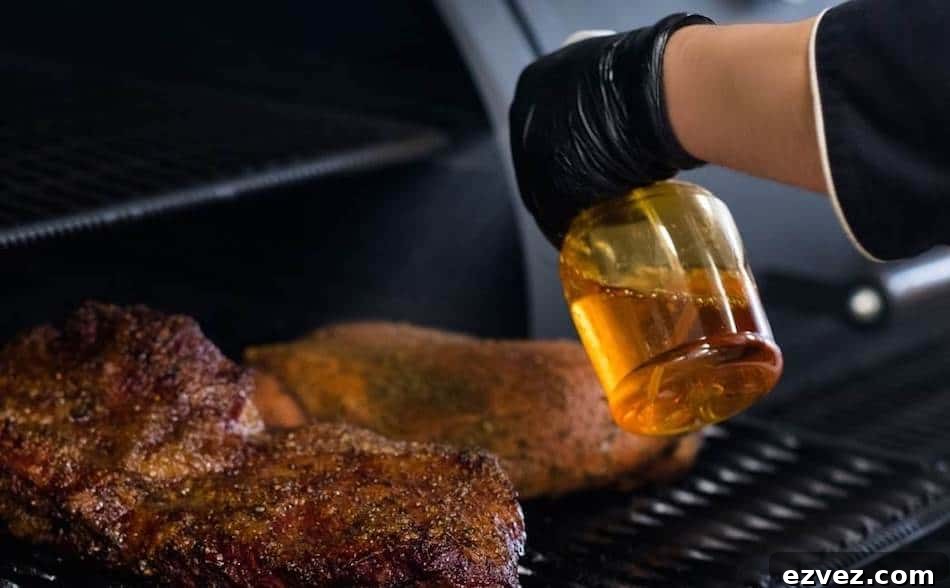
Mopping or spritzing every hour during the early stages keeps the surface moist, helps smoke adhere, and slows the cook slightly—useful for long cooks that need connective tissue breakdown. Use apple juice, apple cider vinegar, bone broth, beer, or plain water as a spritz. The liquid’s flavor won’t be pronounced after the long cook, but the technique aids bark development and moisture control.
Wrap
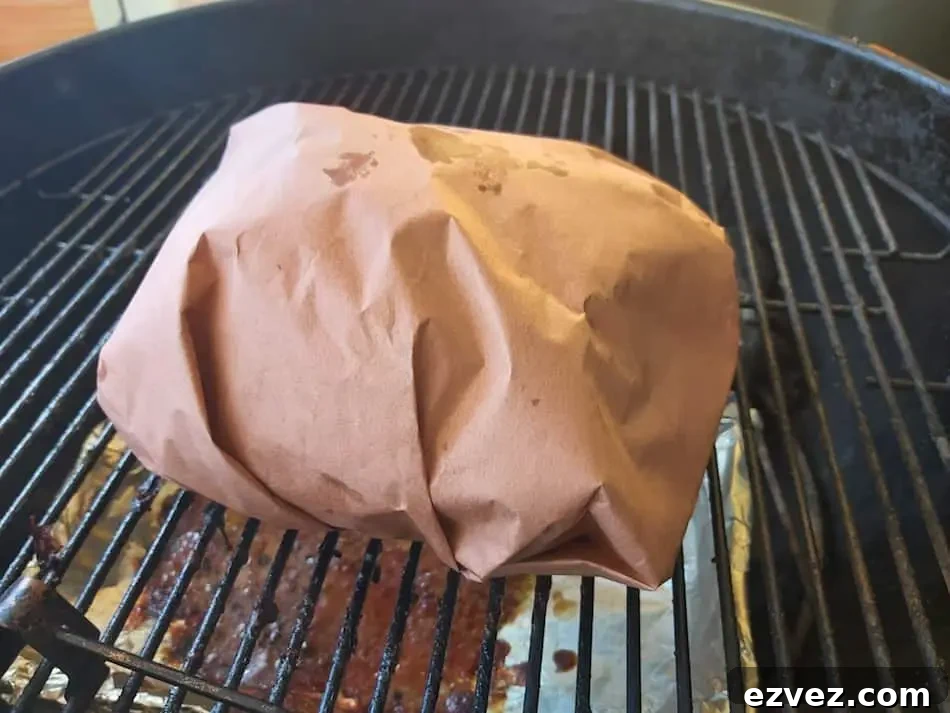
Wrap the flat in foil or unwaxed butcher paper once a dark bark has formed or when it reaches around 150°F. Wrapping helps the meat braise in its own juices and push through the stall. If you prefer a very crispy bark, skip the wrap, but expect a drier finish on a flat.
The Stall
The stall occurs when evaporation cools the meat and slows its temperature rise. Wrapping the brisket or increasing smoker temperature can help push through the stall and finish the cook in a timely manner.
Finishing The Flat In The Oven
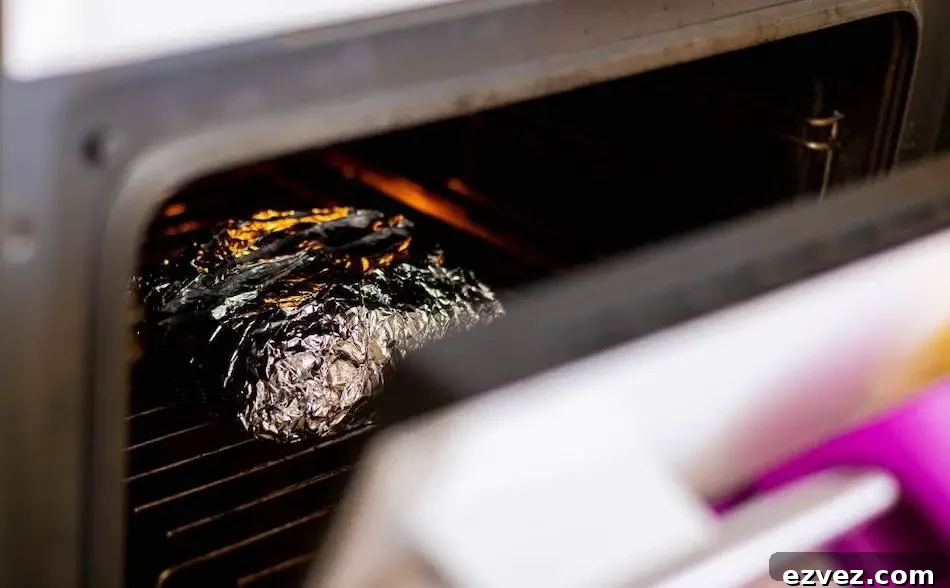
Once wrapped, the brisket won’t absorb more smoke, so you can move it indoors and finish in a 225°F–250°F oven to save fuel and maintain a steady environment. Keep the thermometer probe in place while finishing.
When Is It Done?
Target about 203°F internal as the finish temperature for tender brisket. As you approach 185°F, check frequently with an accurate instant-read thermometer. The meat should feel soft and nearly butter-like when probed at the finish.
Rest Then Hold
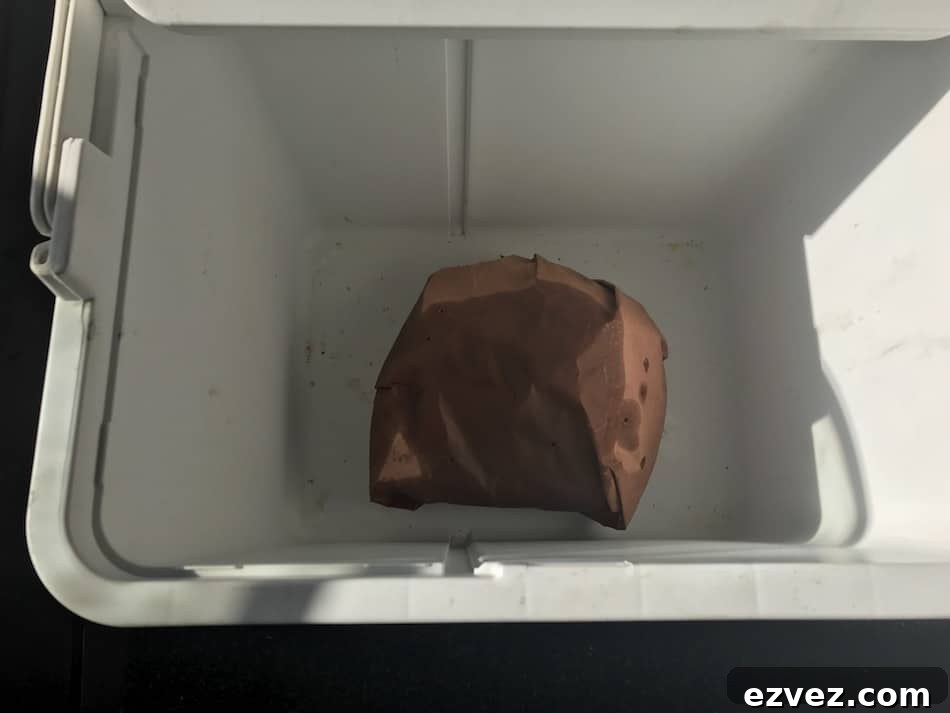
Rest the wrapped brisket flat for at least one hour to let juices redistribute. For longer holds, keep the wrapped brisket in a towel inside an insulated cooler; it can stay hot for several hours. Avoid holding it so long that the meat sits in a temperature range that promotes bacterial growth.
Slice
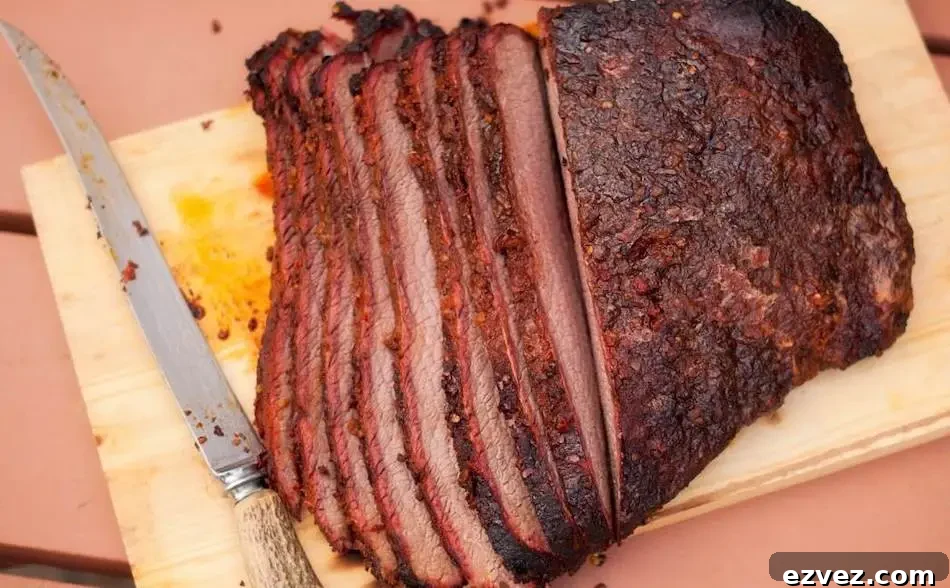
Slice the flat against the grain to maximize tenderness. Slice only what you need to serve immediately—leaving the rest intact helps keep leftovers juicier.
My Favorite Brisket Tools
Below are some tools commonly recommended for brisket smoking—thermometers, injectors, and quality butcher paper can make the process easier and more consistent. Choose reliable, accurate thermometers and durable tools suited to your budget and needs.