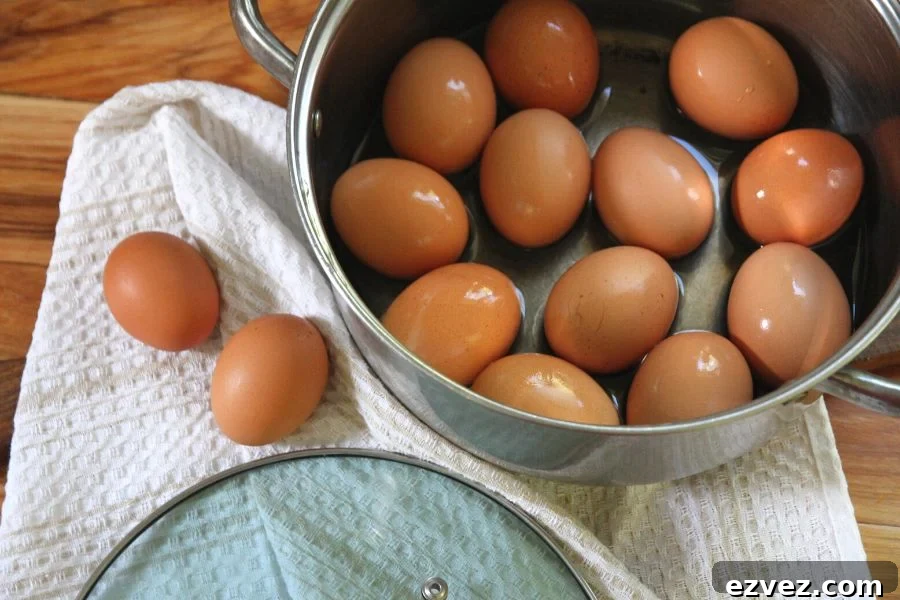
Have you ever boiled farm-fresh eggs only to find the white clinging to the shell when you try to peel them? It’s incredibly frustrating. This guide shows an easy stovetop steaming method to make fresh eggs peel cleanly—no Instant Pot required.
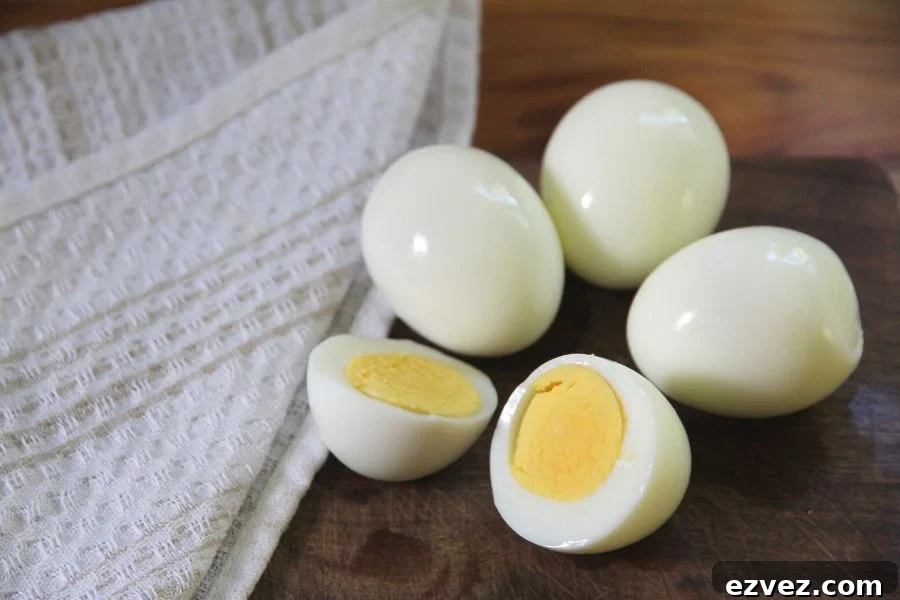
Fresh eggs, whether from your own hens or a local farmer, often stick to their shells when boiled. Instead of a smooth surface, you can end up with torn whites and a lumpy egg. Many home cooks have success using the Instant Pot on steam mode, but the key is steaming rather than the appliance itself.
You can easily steam eggs on the stovetop with equipment you already own. The steam helps separate the membrane from the white so the shell comes off more cleanly.
Things You’ll Need
You likely already have everything required. For this method, gather:
- 1 dozen fresh eggs
- Stockpot with a lid
- About 1/2 inch of water for the bottom of the pot
- A timer
How to steam boiled eggs without an instant pot
Follow these simple steps to steam eggs on the stovetop:
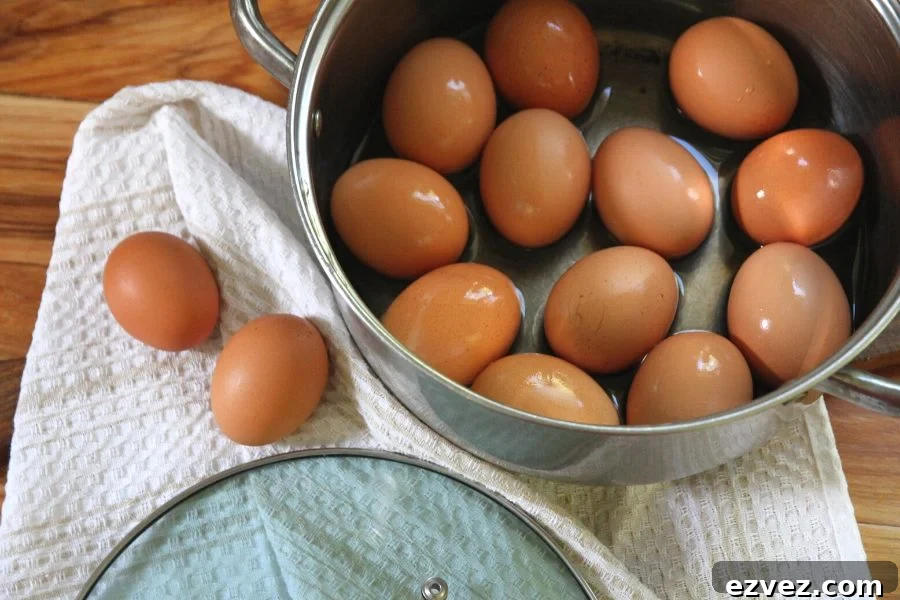
- Choose a stockpot large enough to hold a dozen eggs (stacking is fine).
- Gently place the eggs into the pot.
- Add roughly 1/2 inch of water to the bottom of the stockpot.
- Cover the pot with a lid and bring the water to a rolling boil over high heat.
- Once boiling, lower the heat to a gentle simmer so the pot produces steady steam.
- Set a timer based on egg size:
- Small pullet eggs: about 12 minutes
- Large eggs: approximately 14 minutes
- When the timer ends, carefully pour off the hot water.
- Run cold water over the eggs to cool them quickly, then leave them in cold water for 10–15 minutes.
- After chilling, refrigerate or gently peel once cool.
How to Peel Fresh Hard Boiled Eggs
Peeling fresh eggs is easier when you follow a few practical tips:
Do not shorten the steaming time—firmly set whites separate from the shell much better than soft whites.
Do make sure the eggs are thoroughly chilled before you start peeling.
Do not try to peel immediately after a light tap; take time to cool first.
Do roll the egg gently on the counter to crack and break the shell all over before peeling. This helps the shell come off in larger pieces.
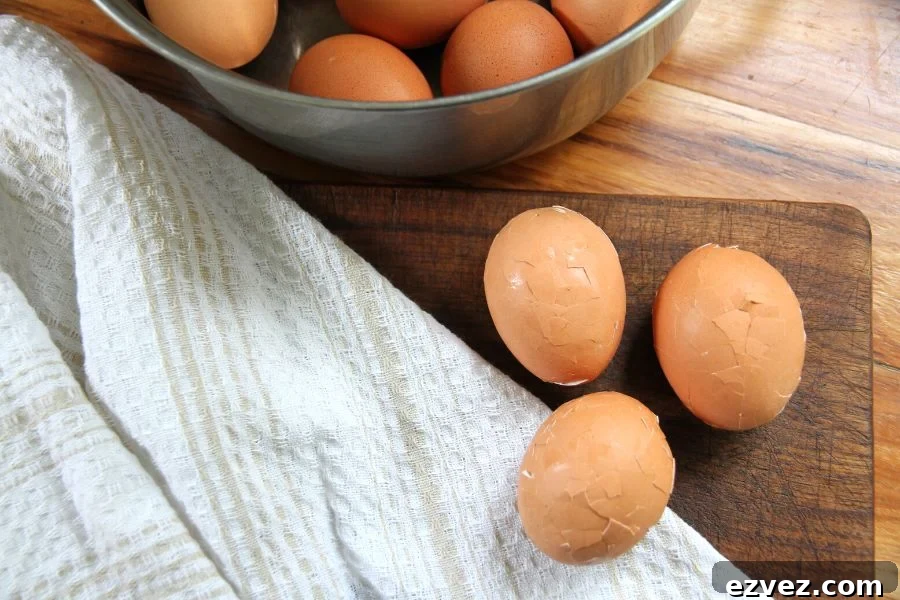
If you still have difficulty, peel the egg under cold running water—this can help separate stubborn bits of membrane from the white. With truly newly laid eggs you might lose a small bit of white here and there, but most should peel smoothly when steamed and chilled properly.
This stovetop steaming method is a reliable way to prepare farm-fresh hard-boiled eggs that are easy to peel. No special appliance required—just steam, chill, and peel.
Pin this for later:

Best Recipes for Farm Fresh Eggs
Once you have easy-to-peel hard-boiled eggs, use them in many delicious recipes. Ideas include:
Fresh Deviled Eggs
Homemade Egg Salad Sandwich
Fermented Boiled Eggs
Potato Salad
Protein Green Salad
Scotch Breakfast Eggs

Fresh Easy-to-Peel Hard Boiled Eggs
Equipment
-
1 dozen fresh eggs
-
1 stockpot with a lid
Materials
- 12 fresh eggs
- 1/2 inch water in bottom of stockpot
Instructions
-
Find a stockpot large enough to hold 12 eggs.
-
Gently place the eggs in the pot, stacking if needed.
-
Add about 1/2 inch of water to the bottom of the pot.
-
Cover and bring the water to a rolling boil over high heat.
-
Lower the heat to maintain a gentle simmer and steady steam.
-
Set the timer according to egg size (12 minutes for small eggs, 14 minutes for large).
-
When the timer ends, pour off the hot water and run cold water over the eggs to cool them quickly.
-
Let eggs sit in cold water for 10–15 minutes until they are no longer warm to the touch.
-
When cool, refrigerate or gently peel. Thoroughly crack the shell first, then remove it in larger pieces.