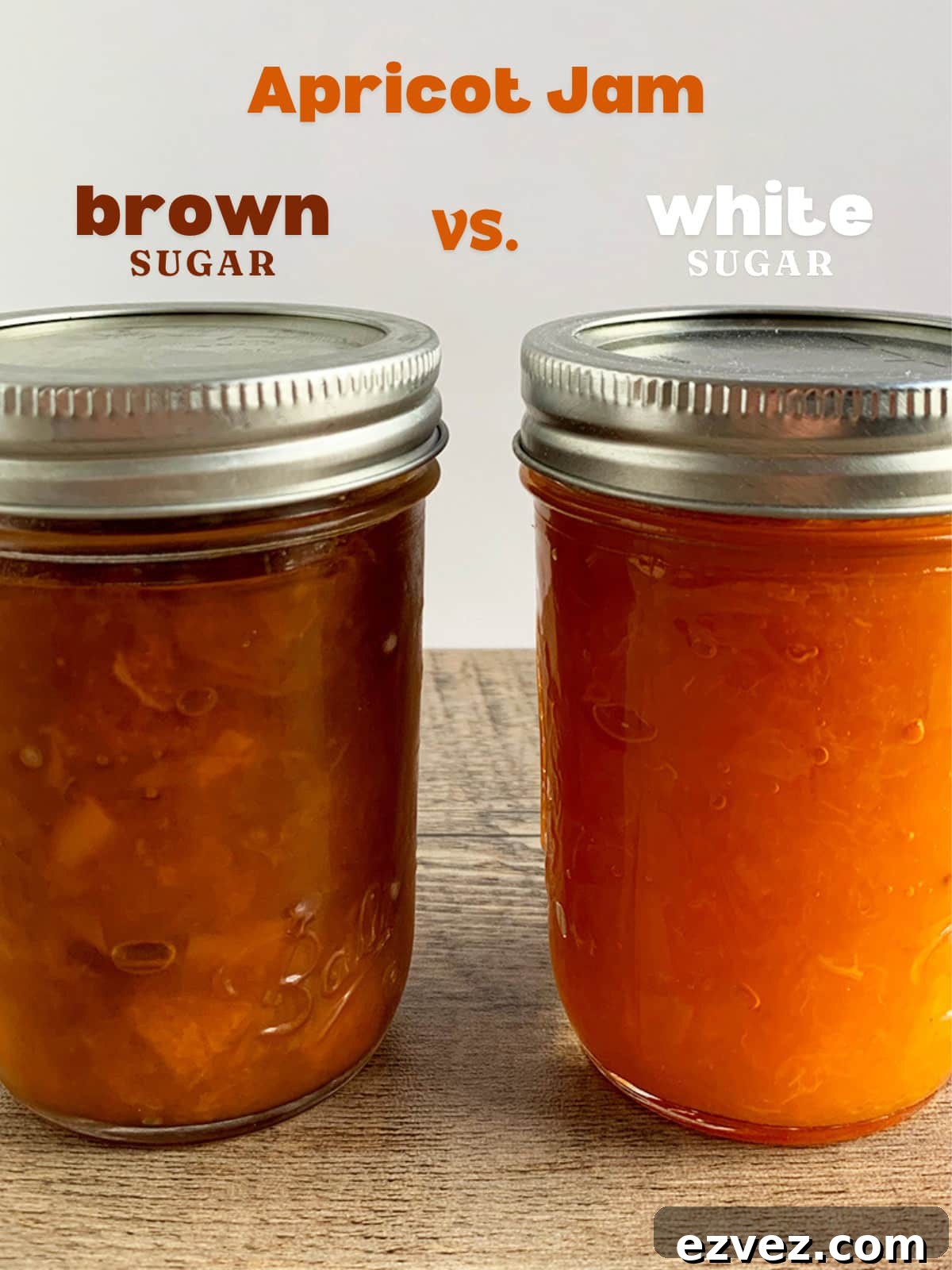
Apricot jam made with brown sugar and a splash of bourbon is a delightful twist on classic apricot preserves. The brown sugar deepens the color and adds caramel and toffee-like notes, while the bourbon contributes a subtle warmth. The result is a bold, slightly tangy jam with a complex finish that pairs beautifully with breads, cheeses, and desserts.
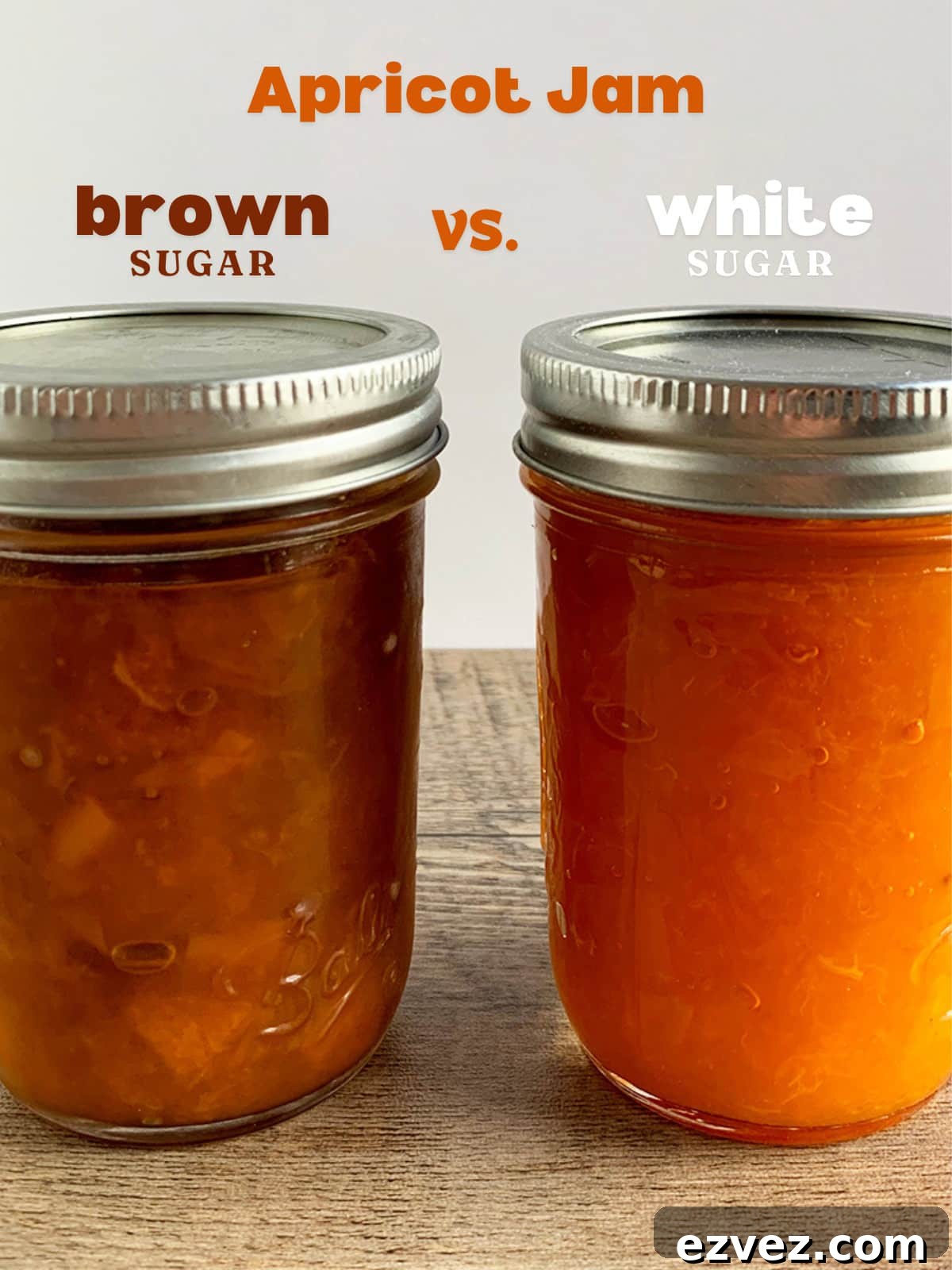
This recipe works well either as a small batch refrigerated preserve or as a canning project if you prefer shelf-stable jars.
Why you’ll love this recipe!
- The brown sugar transforms familiar apricot flavor into something richer and more caramel-like, providing an exciting contrast to jams made with white sugar.
- This is an adaptable, quick recipe that comes together fast, especially if you skip traditional canning and store jars in the refrigerator or freezer.
- If you enjoy butterscotch or toffee flavors, the brown sugar finish will be especially satisfying.
- A slight pleasant bitterness rounds the finish and balances the sweetness for a more sophisticated jam.
Ingredients and substitutions
Choose the best fruit available — fresh, ripe apricots will make the largest difference in flavor and texture. Below are the main ingredients and options for small adjustments.
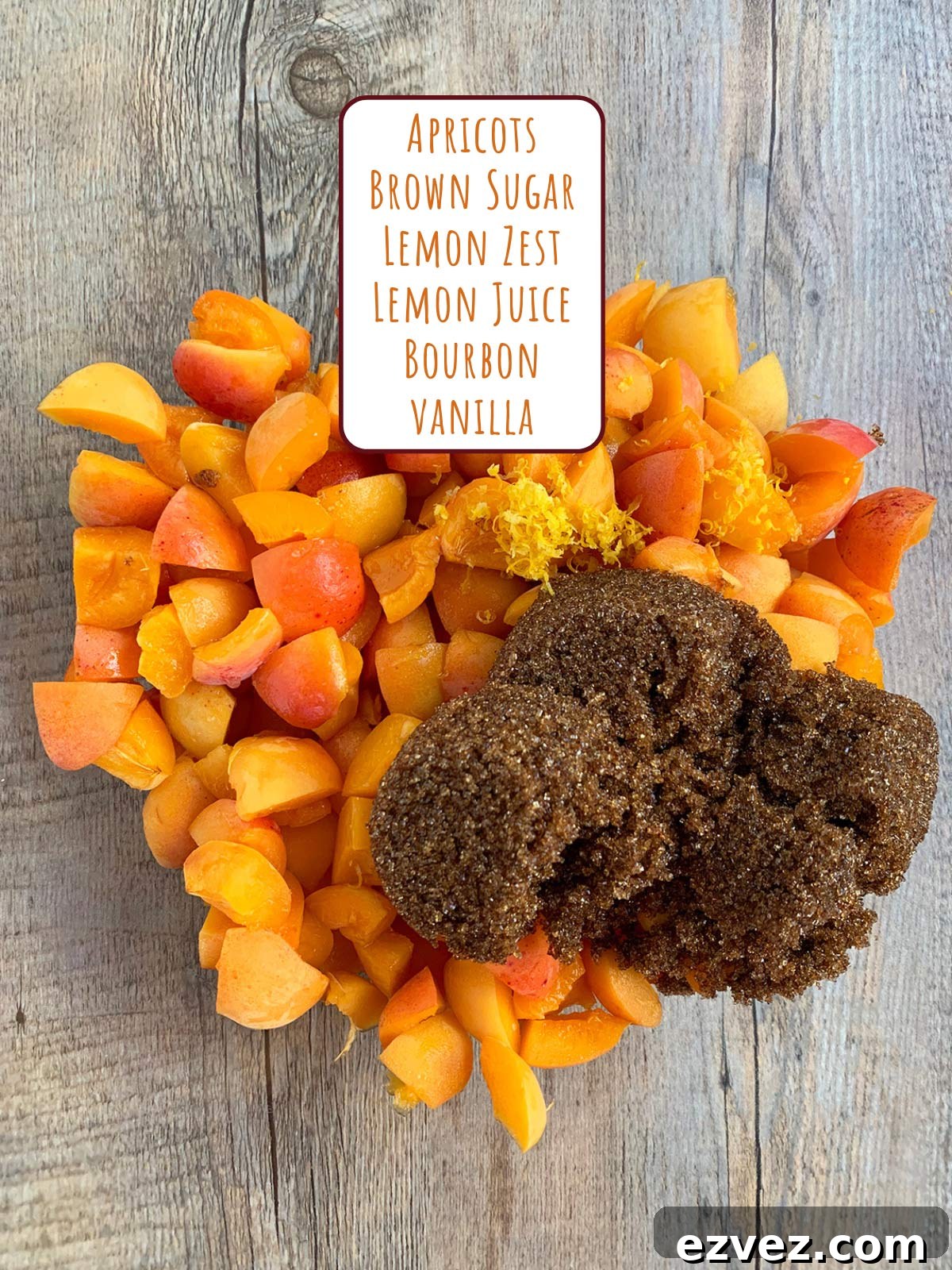
- Apricots: Use ripe, flavorful apricots. If apricots are not very sweet, increase sugar slightly or add more vanilla to round the flavor.
- Brown sugar: Light or dark brown sugar both work. Dark brown sugar adds more molasses character and deeper color.
- Lemon juice and zest: Adds brightness and helps with setting. Any lemon will do; wash well before zesting if not organic.
- Vanilla: A little vanilla lifts the fruit—use extract or a scraped vanilla bean if you have one.
- Bourbon (optional): A tablespoon of bourbon adds warmth and depth but can be omitted if preferred.
Let’s make apricot jam step-by-step
This section explains the process in plain terms and includes tips for texture and timing. A short printable recipe card is included at the end listing exact measurements and step-by-step directions.
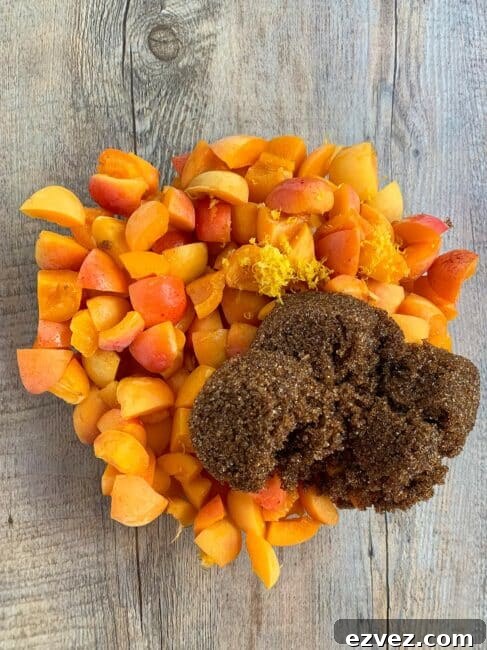
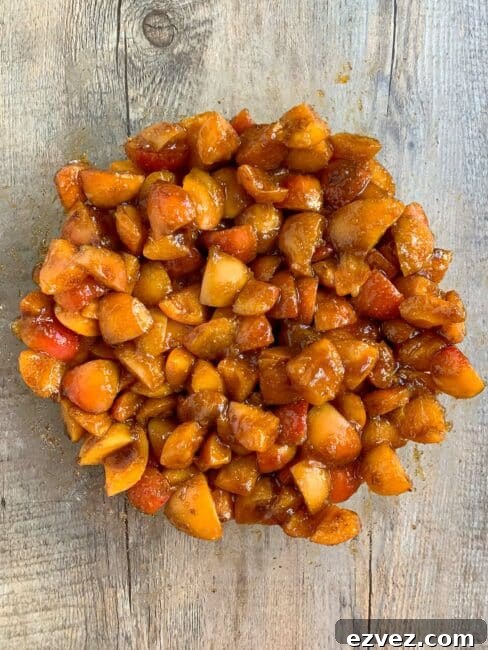
1. Prepare and macerate the fruit. Pit and coarsely chop the apricots, then combine them in a bowl with the brown sugar, lemon zest, and lemon juice. Stir well and let the mixture sit for a few hours or overnight in the refrigerator. Macerating draws out juices and creates a syrup that shortens cooking time and helps flavor development.
2. Cook the preserves. Transfer the macerated fruit and any released syrup into a heavy-bottomed pot and bring to a gentle boil over medium heat. Reduce to maintain a low boil and stir often to prevent scorching. Brown sugar can scorch more easily than white sugar, so keep an eye on the heat.
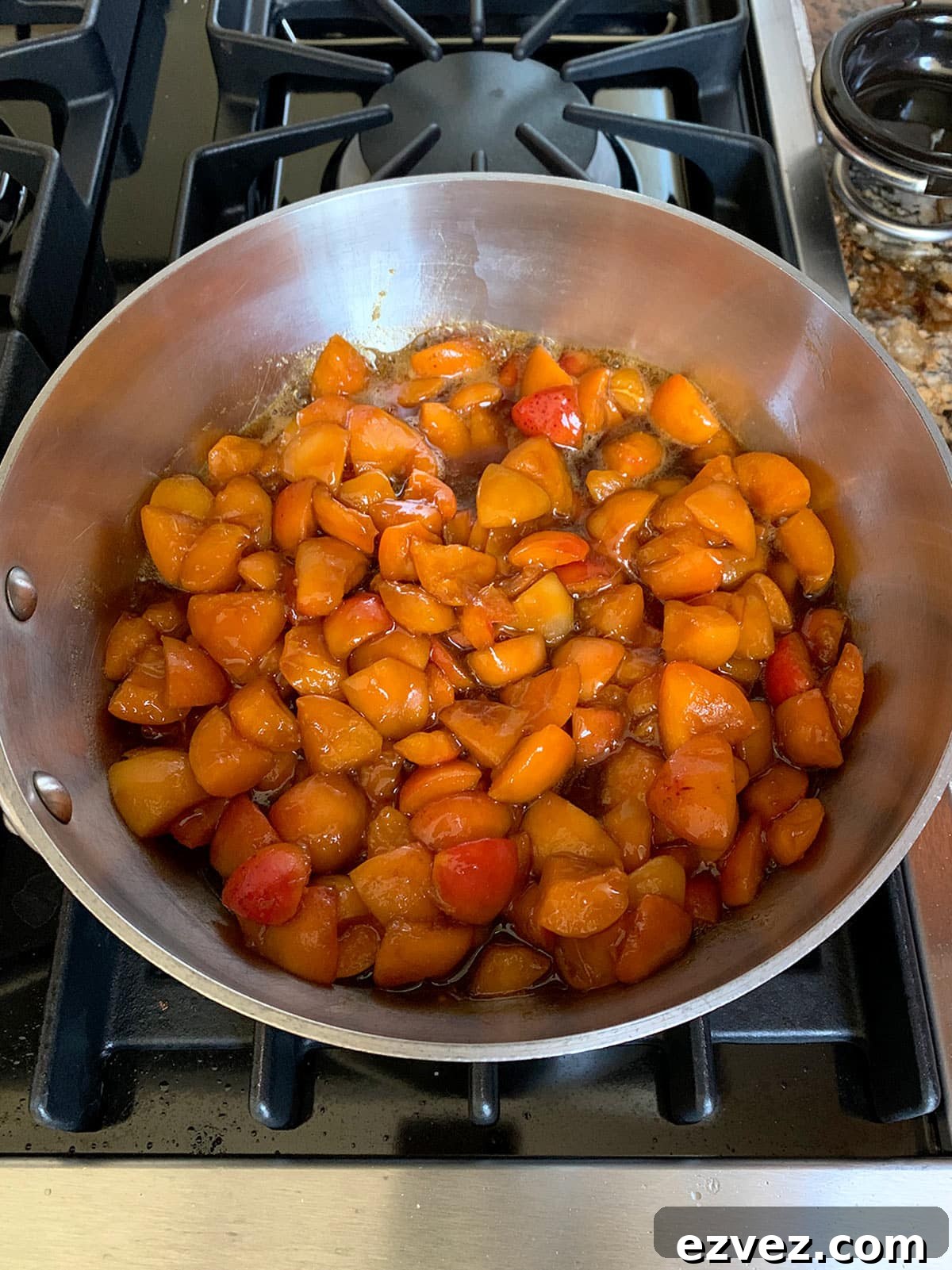
3. Skim foam and adjust texture. Foam may appear during cooking; skim it off and save for yogurt, toast, or ice cream. After about 10–15 minutes the fruit will soften, become glossy, and cling to the sides of the pot. If you prefer a smoother jam, mash gently with a potato masher.
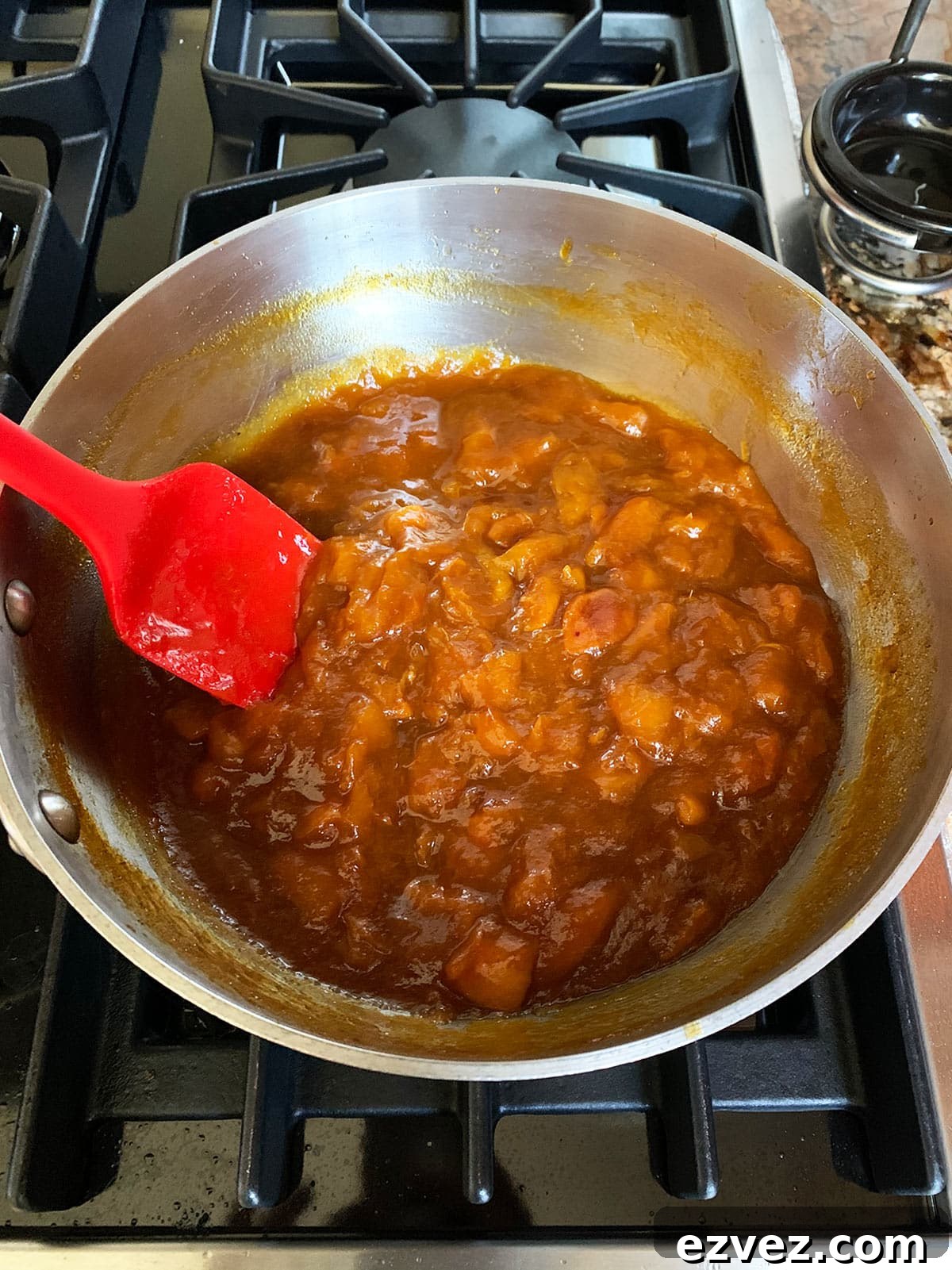
4. Test and finish. To test for doneness, chill a small plate in the freezer. When you think the jam is ready, place a small spoonful on the chilled plate, return it to the freezer for 1 minute, then press gently. If the jam wrinkles and holds its shape, it’s done; if it runs back together, continue boiling briefly. When nearly finished, stir in the vanilla and bourbon, let the mixture boil for one more minute, then remove from heat.
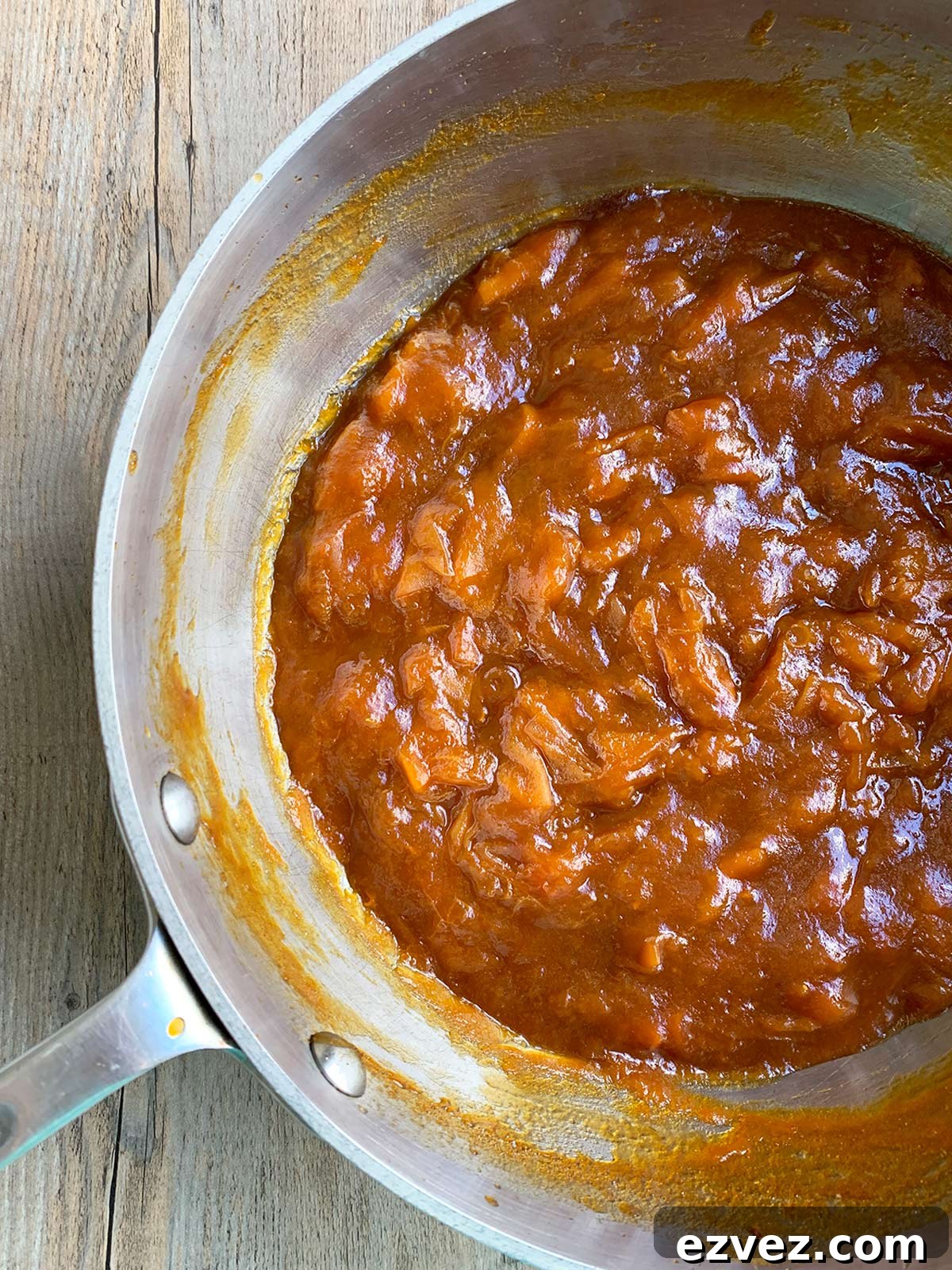
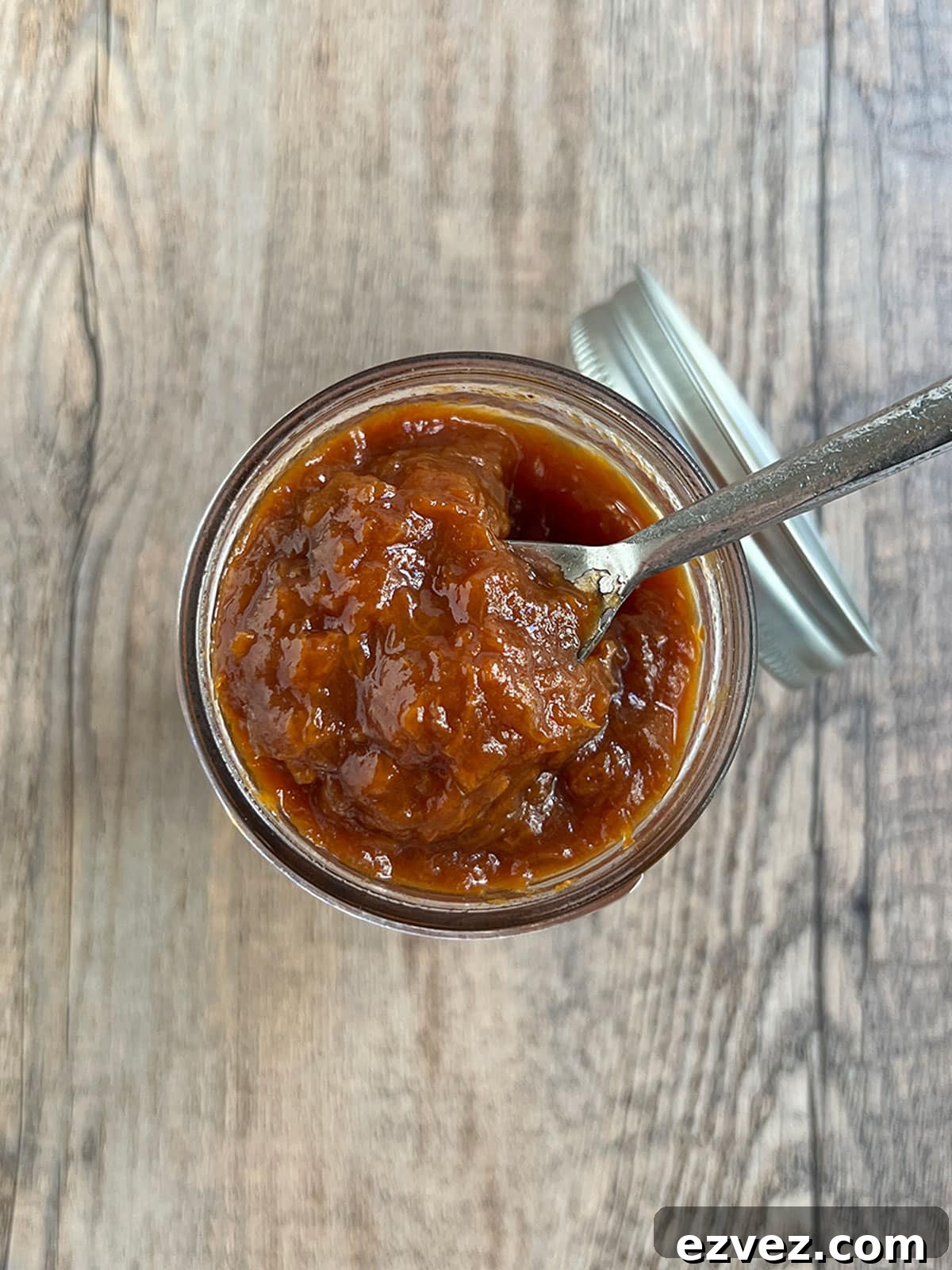
5. Jar and store. Ladle the hot jam into clean jars, leaving about 1/2 inch headspace if you plan to freeze them. Allow jars to cool to room temperature before refrigerating or freezing. If you plan to can for shelf stability, follow a trusted canning method and process times appropriate for your altitude.
Tips and FAQs
- Shop for the best apricots you can find—farmers’ markets and orchard stands often have the most flavorful fruit.
- If you want a firmer jam texture, add a pectin formulated for lower-sugar preserves. This recipe is written for a lower sugar content than many commercial jams, so choose a pectin made for that purpose if needed.
- Bourbon is optional but recommended for depth; omit it for a non-alcoholic version without sacrificing much flavor.
- Keep the boil gentle to avoid burning; brown sugar increases the risk of scorching compared with white sugar.
If jars and lids are clean and refrigerated promptly, the jam will keep well for three to four weeks. In practice, it’s often enjoyed long before then.
Yes. Leave about 1/2 inch of headspace in the jar to allow for expansion during freezing.
Light or dark brown sugar both work. Dark brown sugar adds more molasses character and a deeper color.
What to serve with brown sugar apricot jam
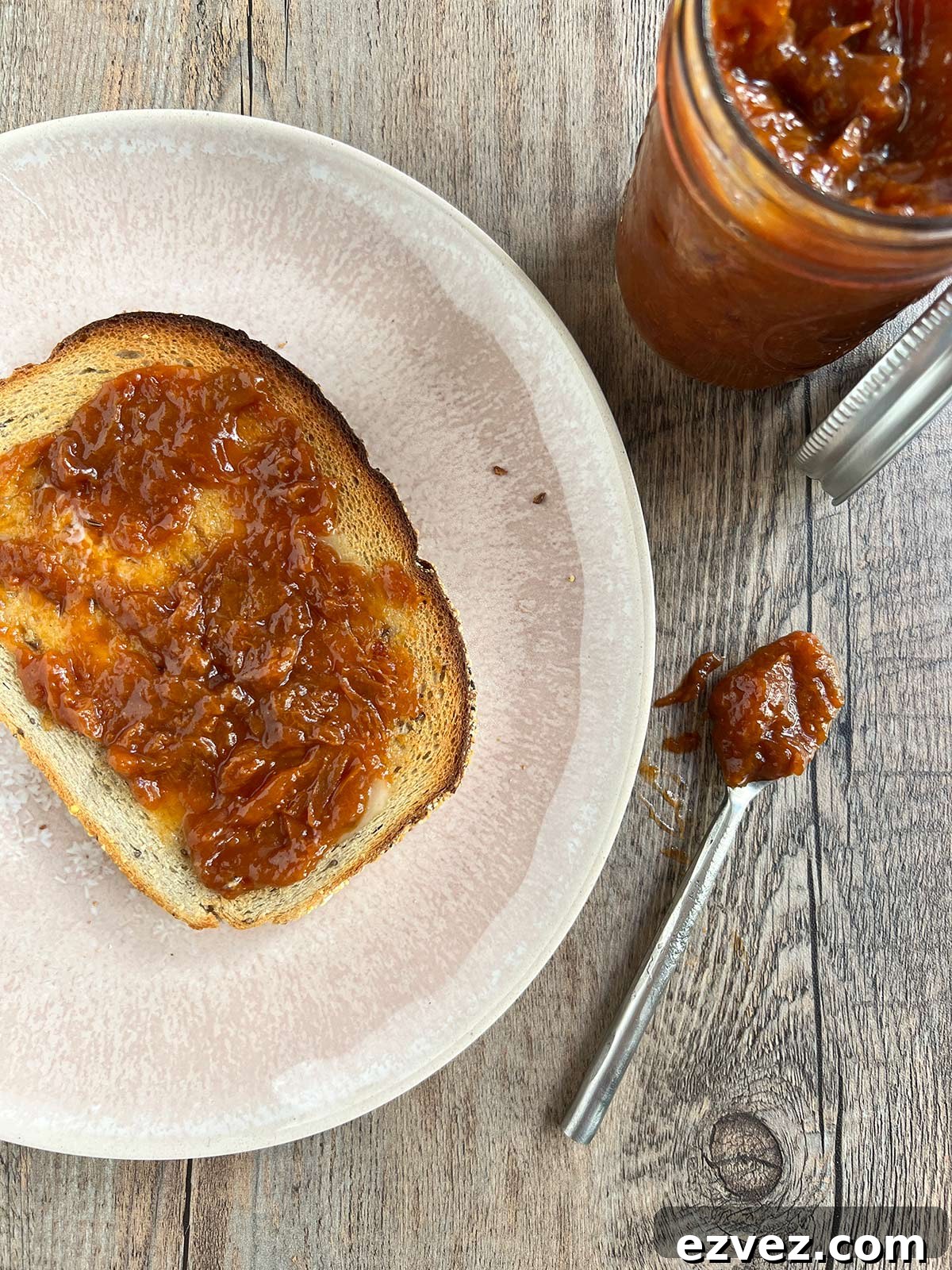
This jam is versatile: spread it on fresh bread or challah, spoon it over blintzes or cheesecakes, swirl it into ice cream or yogurt, or use it as a glaze for roasted poultry. The caramel notes pair especially well with rich breads and tangy cheeses.
Recipe: Apricot Jam with Brown Sugar
Apricot Jam with Brown Sugar
A small-batch apricot preserve made with brown sugar and a touch of bourbon for depth. Makes about three 8-ounce jars.
Ingredients
- 2 lbs apricots, pitted and coarsely chopped
- 3/4 cup brown sugar
- 1/8 cup lemon juice (about 1/2 a large lemon)
- zest of 1/2 lemon
- 1/2 teaspoon vanilla
- 1 tablespoon bourbon (optional)
Instructions
- Combine apricots, brown sugar, lemon zest, and lemon juice in a bowl. Mix and let sit for a few hours or overnight to macerate.
- Transfer mixture to a heavy-bottomed pot. Bring to a gentle boil over medium heat, then reduce to maintain a low boil. Stir frequently to prevent scorching.
- Skim foam as needed and mash the fruit with a potato masher if you prefer a smoother texture.
- After 10–15 minutes, test for set by chilling a small plate and placing a dab of jam on it; if it wrinkles when pushed, it’s ready. Stir in vanilla and bourbon, boil one more minute, then remove from heat.
- Ladle into clean jars, leaving 1/2 inch headspace for freezing. Let cool, then refrigerate, freeze, or process according to canning guidelines if you want shelf-stable jars.
If you try this recipe, please leave a star rating or a review — feedback helps improve recipes and inspires others to try them.