This chilli oil recipe is a simple, versatile way to add flavour and heat to many dishes. Use it for cooking in place of regular oil or drizzle it over finished plates. It pairs especially well with pizza and classic Italian pastas, and many households keep a bottle handy to brighten meals quickly.
The method below is straightforward and safe when you follow the steps. You can also adapt the base recipe to different cuisines by changing the oil or adding spices and aromatics.
Chilli Oil Ingredients:
- Neutral oil (vegetable, peanut, canola) or light olive oil
- Dried red chillies
- Malt or other vinegar
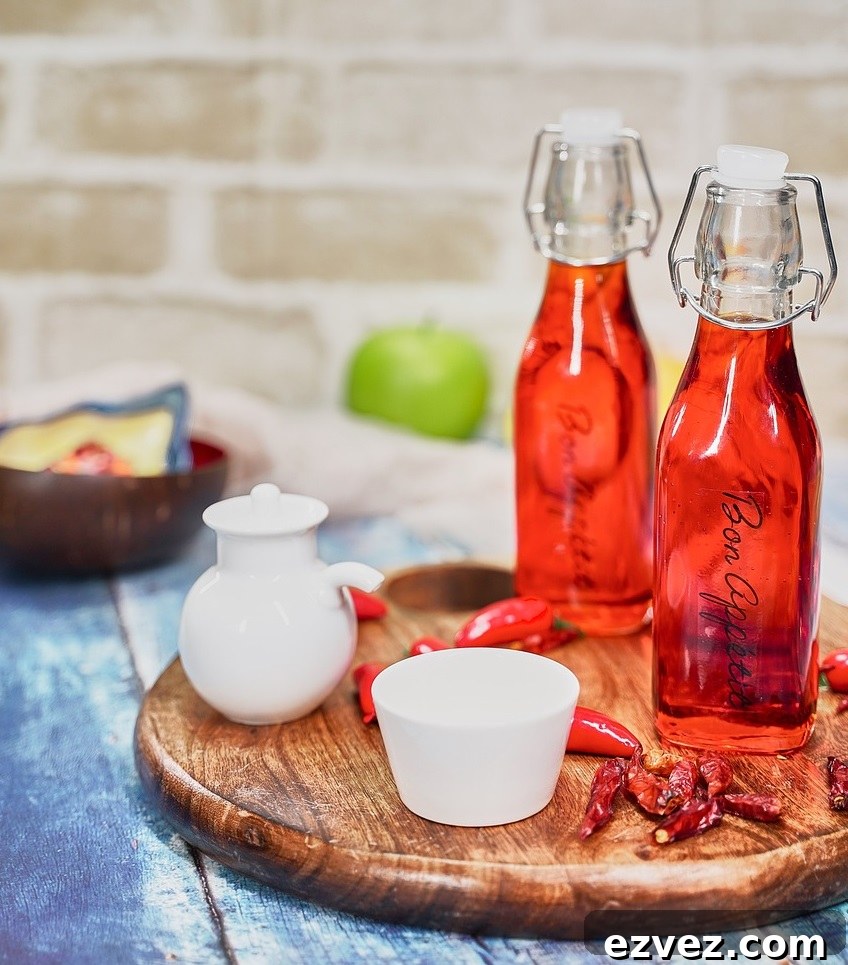
Chilli Oil Recipe: Method
1. Take a handful of dried red chillies — about 7–8 medium chillies, depending on desired heat. Place them in a pan with enough malt vinegar to cover.
2. Simmer over medium heat for 10 minutes. Aim for a gentle simmer (approximately 110–120°C / 230–250°F). Watch carefully and reduce the heat if the liquid is boiling too vigorously to avoid burning the chillies.
3. Remove the chillies and drain them briefly on kitchen paper to remove excess vinegar.
4. Add the drained chillies to a pan of oil and warm gently. Bring to a simmer and keep it at a low simmer for about 5 minutes to infuse the oil.
5. Turn off the heat and let the oil and chillies cool completely in the pan.
6. Transfer the cooled oil and chillies into a sterilised glass bottle or jar. Choose a bottle with a pouring spout if you plan to drizzle the oil often.
For a more Asian-style chilli oil, use peanut or a light vegetable oil rather than olive oil. Neutral oils let the chilli and added aromatics shine without an overpowering base flavour.
Chilli Oil FAQ
1. How long does homemade chilli oil last?
Stored in an airtight container in the refrigerator, homemade chilli oil can last up to three months. At room temperature, it’s best consumed within one to two months for the best flavour.
2. Can I use fresh chillies instead of dried?
You can use fresh chillies, but they contain more moisture and reduce shelf life. If you choose fresh, refrigerate the oil and use it within a week.
3. Is chilli oil healthy?
In moderation, chilli oil can be part of a healthy diet. Chillies contain capsaicin, which may support metabolism and have anti-inflammatory effects. Because oil is calorie-dense, use chilli oil sparingly.
4. What oil is best for making chilli oil?
Neutral-flavoured oils such as vegetable, canola, corn or peanut work well. If using olive oil, choose a light-flavoured variety so the oil doesn’t overpower the chillies and aromatics.
Types of Chilli Oil
Once you’ve mastered the base recipe, there are many ways to adapt it. Add spices and aromatics to suit the cuisine or adjust the amount of chillies to control heat.
Chinese chilli oil: Use Sichuan chilli flakes with star anise, cinnamon, Sichuan peppercorns, bay leaves and cloves for a classic Chinese style.
Garlic chilli oil: Add whole garlic cloves while warming the oil to infuse a pronounced garlic flavour.
South East Asian chilli oil: Infuse with chopped lemongrass, coriander seeds and a stick of cinnamon for bright, herbaceous notes that complement Thai and Southeast Asian dishes.
Smoky chilli oil: Add chipotle flakes or smoked paprika for a smoky, robust flavour that works well with grilled foods and barbecue-style dishes.
Chilli Oil – A word of caution
Do not simply pack fresh chillies into oil and store at room temperature; doing so can create conditions favourable to botulism. Boiling the oil alone does not eliminate this risk. The safer approach used here is to reduce the pH of the chillies by boiling them in vinegar first, and to use dried chillies when possible. Also sterilise bottles or jars by boiling them in water for 10 minutes before filling.
For larger batches intended for long storage, you can steep the dried chillies in the oil for a couple of days, then remove them before bottling the finished oil. Always store homemade chilli oil in the refrigerator if you’re uncertain about storage conditions, and discard if the oil develops any off odours or cloudiness.
Preserving In General

If you’re interested in preserving more widely, many guidebooks cover safe methods for jams, pickles, chutneys, vinegars and sauces and provide reliable recipes and techniques. Learning core preserving skills will give you confidence to experiment while keeping food safety in mind.
If you enjoyed this chilli oil recipe, consider exploring other condiments like chilli chutney to broaden your homemade flavour repertoire.