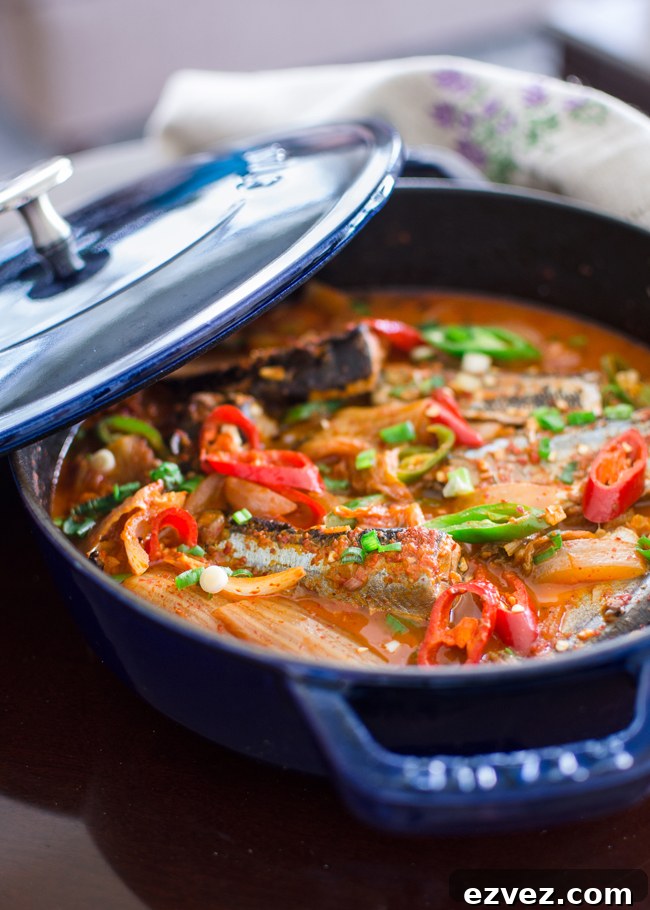
Mackerel pike kimchi stew is a well-loved Korean kimchi jjigae variation. Adding a can of mackerel pike deepens the flavor of a basic kimchi stew, giving it a rich, savory finish.
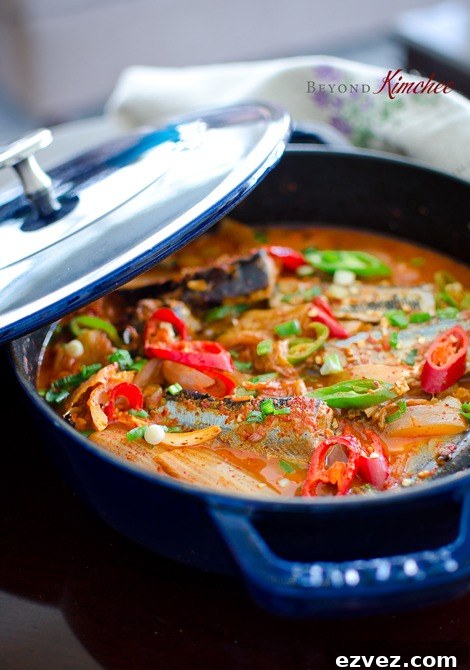
When kimchi becomes very sour, turning it into stew is one of the best ways to use it. This mackerel pike kimchi stew (kkongchi kimchi jjigae, 꽁치 김치찌개) is one of my favorites. It’s an easy Korean stew recipe that’s forgiving and hard to get wrong.
Kimchi stew welcomes many ingredients: pork, anchovies, tuna, ham, tofu, fish cakes, or rice cakes. Today the star ingredient is canned mackerel pike.
Canned Mackerel Pike
Mackerel pike is related to the mackerel family but is smaller and slimmer. It’s common in Korean cooking, where grilling is a popular preparation. The canned version is versatile and convenient for many dishes, and because the bones are soft and edible, it’s an inexpensive source of natural, non-dairy calcium.
You can find canned mackerel pike at most Korean grocery stores. Be sure to choose “mackerel pike” rather than regular mackerel.
This Mackerel Pike Kimchi Stew (꽁치김치찌개, kkonchi kimchi jjigae) is one of my go-to kimchi stews, and I hope you’ll enjoy it as much as I do.
Recipe Instructions
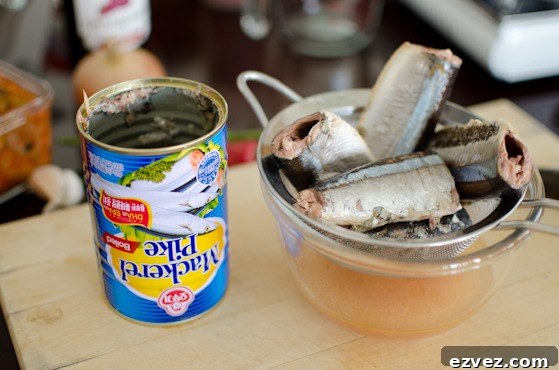
Drain the canned mackerel pike, but reserve about 1/4 cup of the juice for the sauce.
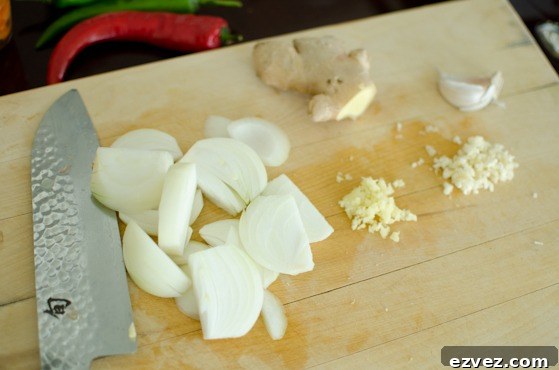
Prepare the onion, and mince the garlic and ginger.
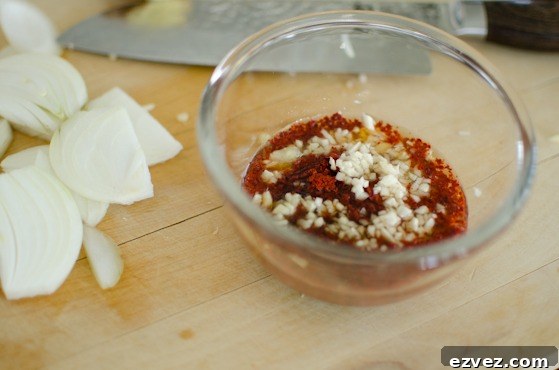
In a small bowl, mix the reserved canned juice with Korean chili flakes (gochugaru), minced garlic, minced ginger, and Korean soup soy sauce (gukganjang).
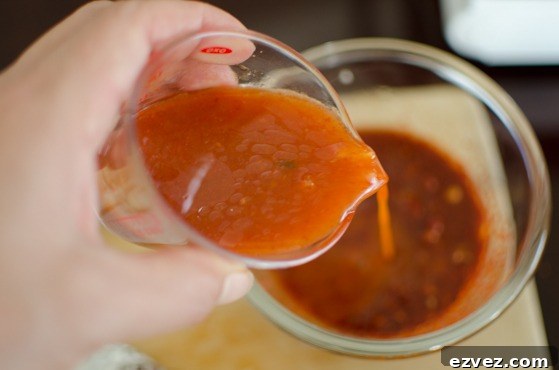
Add a few tablespoons of kimchi juice to the chili-garlic mix and stir well to combine. Kimchi juice adds bright, fermented flavor that defines a great kimchi jjigae.
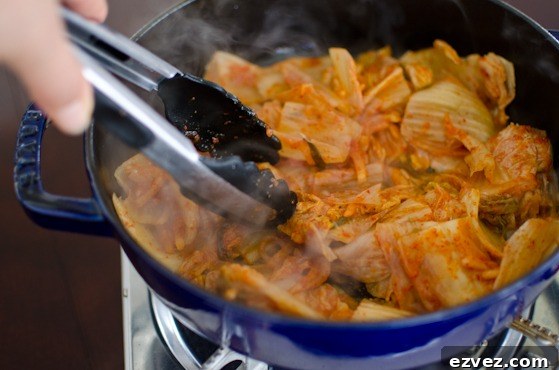
Heat 1 tablespoon of oil in a pot over medium heat and fry the kimchi for about 5 minutes until it softens and its aroma develops. If the kimchi is overly sour, add 1 teaspoon of sugar to balance the acidity.
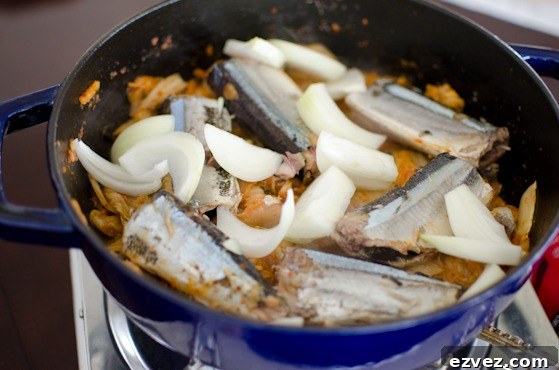
Layer the drained canned mackerel pike and sliced onions on top of the fried kimchi.
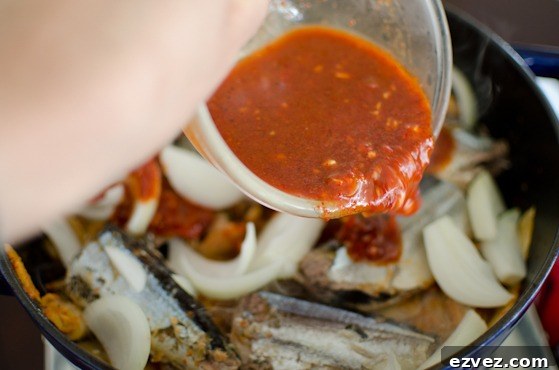
Drizzle the chili-garlic sauce evenly over the fish and vegetables.
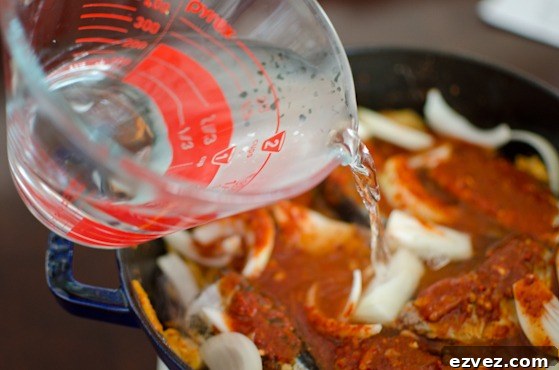
Pour enough water to barely cover the ingredients—about 1 to 1 1/2 cups depending on pot size—and bring to a boil.
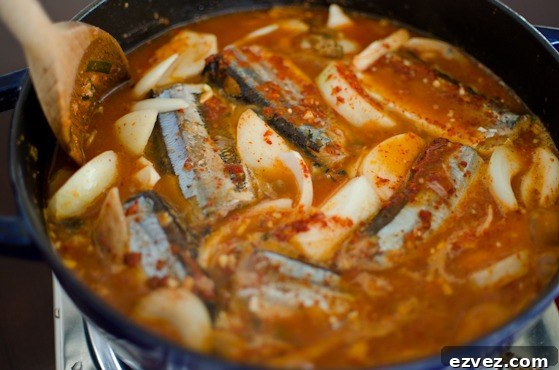
Once boiling, reduce the heat, cover the pot, and simmer on low for 15–20 minutes, or until the kimchi is tender. Taste and add more Korean soup soy sauce if needed to adjust seasoning.
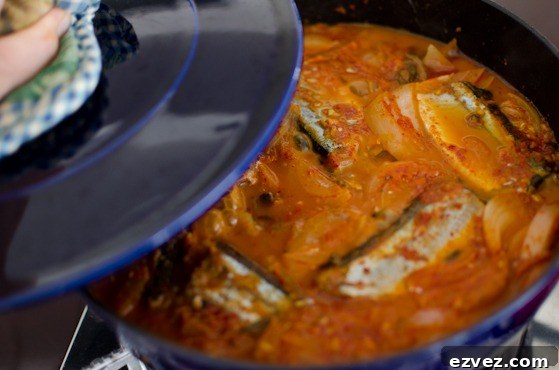
If you like heat, add sliced green and red chilies in the last 1–2 minutes of cooking so their flavor blends without becoming bitter. Finish with chopped green onion and serve hot with steamed rice.
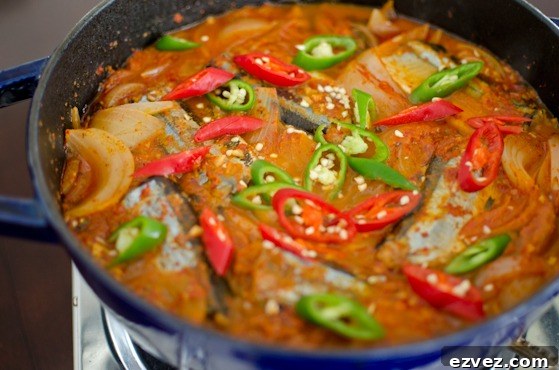
Serve the stew in a deep bowl with a generous portion of rice. The combination of tangy kimchi, savory broth, and tender canned mackerel pike is comforting and satisfying.
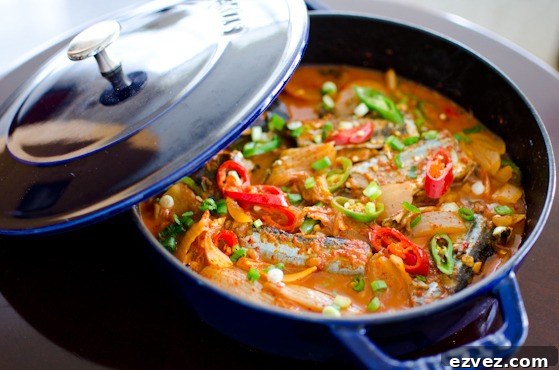
I love this stew so much I could eat it every day. Below is the full recipe so you can make it at home and share it with family or friends.
Other Kimchi Stew Recipes
- Anchovy Kimchi Stew (Myulchi Kimchi Jjigae)
- Kimchi Stew (Kimchi Jjigae) with Tomatoes
- Kimchi Jjigae (Kimchi Stew with Pork)


Mackerel Pike Kimchi Stew
Ingredients
- 1 (14 oz) can mackerel pike, reserve 1/4 cup of juice and drain the rest
- 2 cups kimchi, diced
- 1 tsp sugar (optional)
- 1 tbsp oil
- 1 onion, sliced
- 1 clove garlic, minced
- 1 tsp ginger, minced
- 1 1/2 tbsp Korean chili flakes (gochugaru)
- 1–2 tbsp Korean soup soy sauce (gukganjang)
- 3 tbsp kimchi juice
- 1–1 1/2 cup water, or more as needed
- 1 each green and red chilies, sliced (optional)
- 1 green onion, chopped
Instructions
- In a small bowl, combine 1/4 cup of the canned mackerel juice with garlic, ginger, Korean chili flakes, and soy sauce. Add the kimchi juice and mix well; set aside.
- Heat oil in a shallow pot over medium heat and fry the kimchi for 5 minutes until it starts to soften. If the kimchi is too sour, add 1 teaspoon of sugar.
- Add the drained canned mackerel pike and sliced onion to the pot. Drizzle the chili-garlic sauce over the top. Pour water to just cover the ingredients; add a bit more if necessary.
- Bring to a boil, then cover and reduce heat to low. Simmer 15–20 minutes until the kimchi is tender. Taste and add more soy sauce if needed.
- If using chilies, add them in the last 1–2 minutes of cooking. Garnish with chopped green onion and serve hot with steamed rice.
Tag @beyondkimchee on Instagram. I love to see your masterpiece.