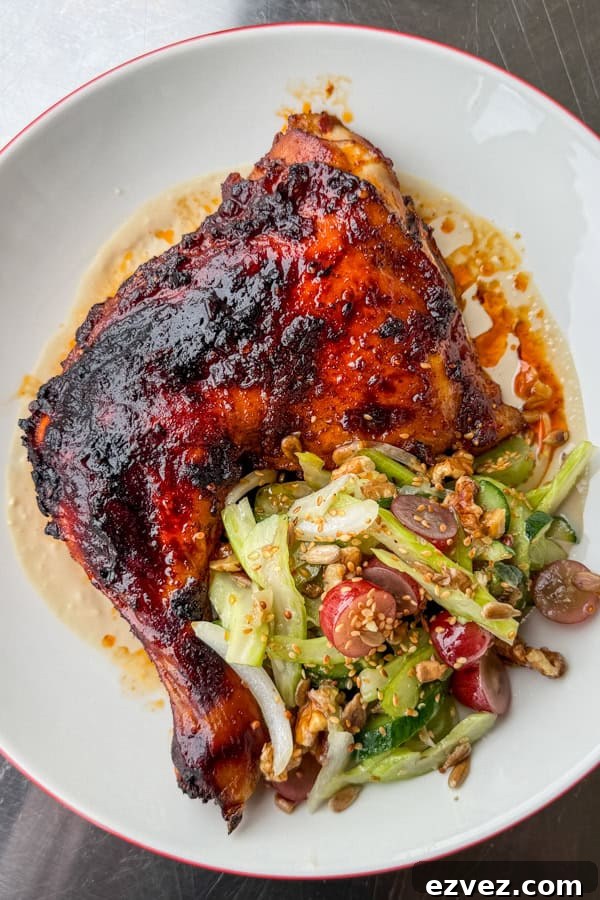
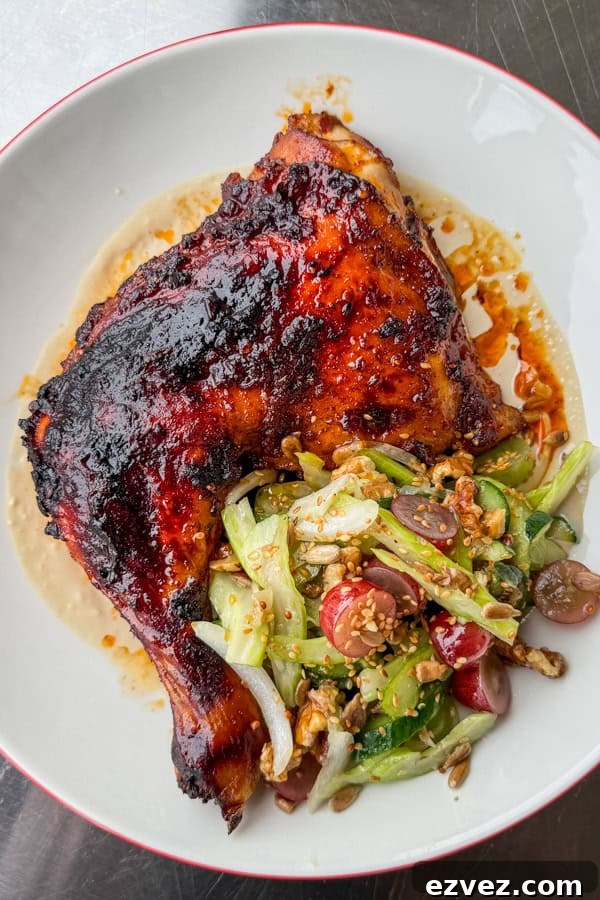
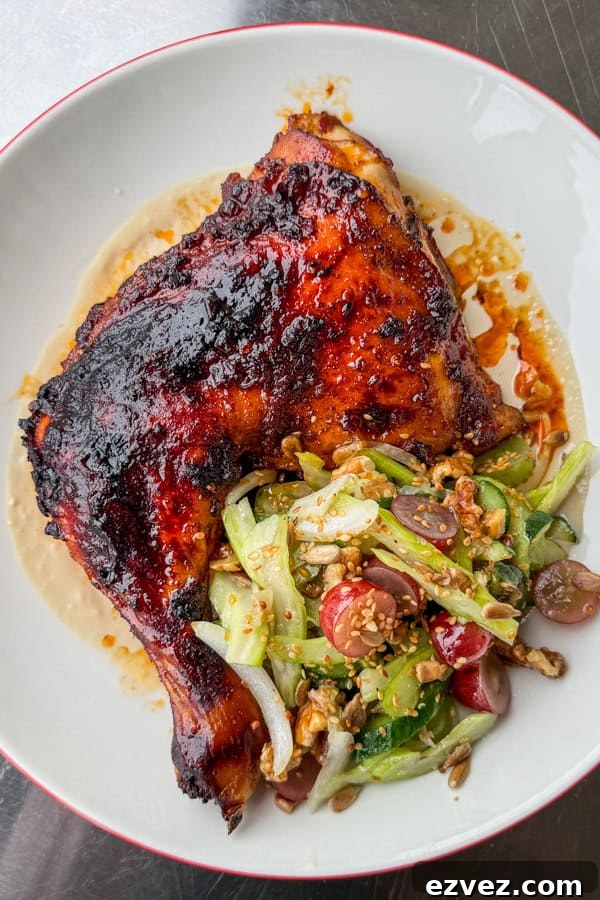
This Harissa Roast Chicken with Crunchy California Grapes and Celery Salad and Tahini looks like a restaurant-worthy dinner but is simple enough for a weeknight. Most of the cooking time is hands-off, and steps like marinating the chicken and making the tahini sauce can be done ahead or while the chicken roasts. The harissa roast chicken is deeply flavorful and versatile; it pairs especially well with the crunchy grape and celery salad. The contrast of textures, sweetness and juiciness balances the spicy, earthy notes in the marinade.
Why You’ll Love This Harissa Roast Chicken
- Bold flavors: Spicy harissa, sweet grapes, nutty tahini and crunchy celery make every bite interesting.
- Impressive but easy: It presents beautifully and fills the kitchen with inviting aromas.
- Meal-prep friendly: Roast chicken is great the first night and the leftovers work well in wraps, salads or grain bowls.
- Nutrient-dense: Lean protein, healthy fats and antioxidant-rich produce.
Ingredients You Need for the Harissa Roast Chicken
- Chicken: I used bone-in, skin-on chicken quarters for juicy meat and caramelized skin. You can substitute thighs, drumsticks, breasts, wings or a whole chicken. Bone-in, skin-on yields the best texture; adjust cooking times if using boneless or skinless cuts and use a meat thermometer.
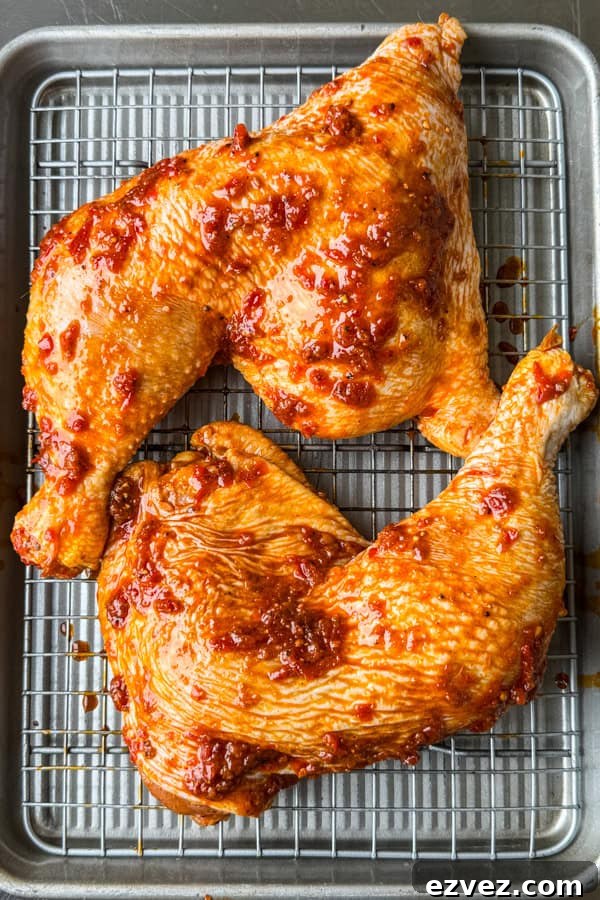
- Harissa: North African chili paste that brings heat and aroma. Texture and heat vary by style: Tunisian harissa tends to be thick and concentrated, Moroccan-style is looser and oilier. If using a very thick harissa, use less and thin it with olive oil so it coats the chicken evenly.
- Honey: Balances spice and helps the skin caramelize.
- Extra-virgin olive oil: A small amount helps distribute the marinade.
- Garlic: Use as much as you like — fresh garlic brightens the marinade.
- Spices: Ground cumin, ground coriander, smoked paprika, salt and pepper complement the harissa without overpowering it.
For the Crunchy Grape and Celery Salad
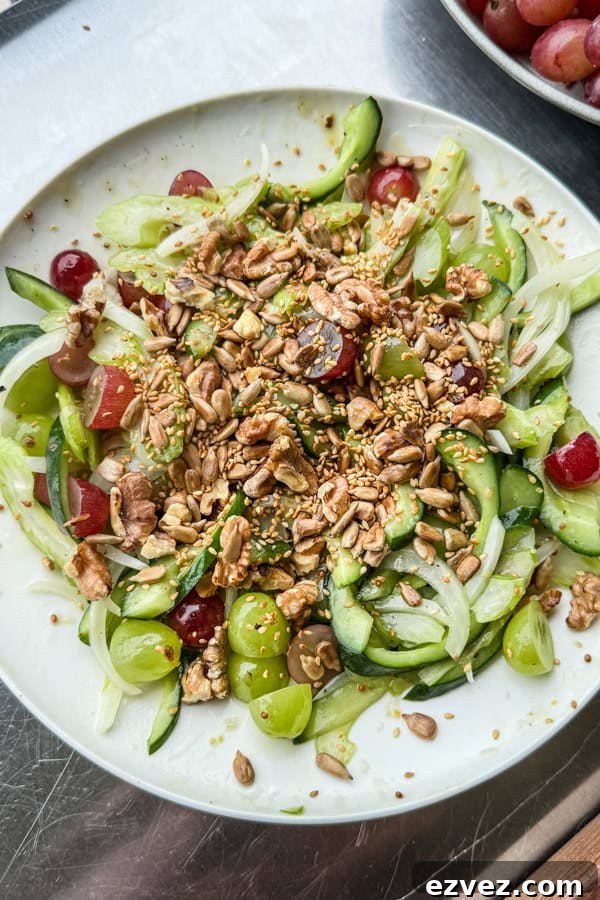
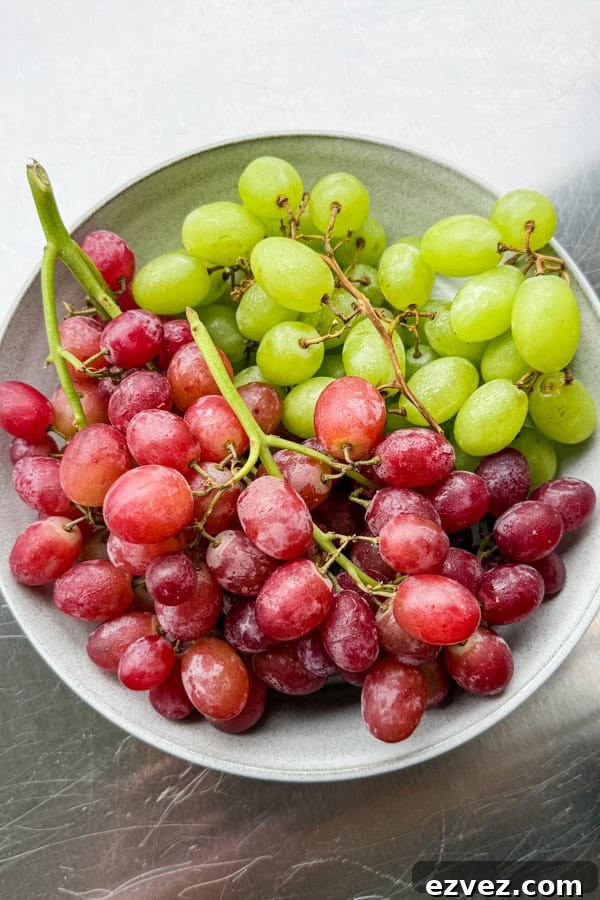
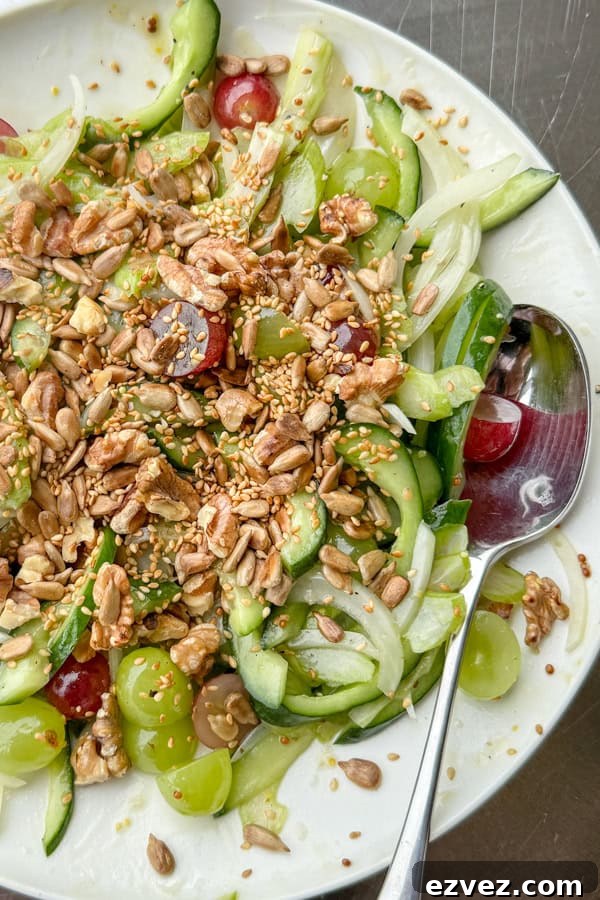
- California grapes: Don’t skip them — they add juicy sweetness. Use red, green or a mix and choose firm, crunchy grapes so they hold up in the salad. Adjust vinaigrette sweetness depending on grape sweetness.
- Celery: Thinly slice on a bias for longer pieces that toss nicely. Peel fibrous strings if desired.
- Cucumber: Persian or English cucumbers work well. If using larger field cucumbers you may want to peel or remove seeds for less water in the salad; slice to match the celery size.
- Onion: Thinly sliced red, yellow or white onion. If bitter, soak in ice water briefly, then pat dry.
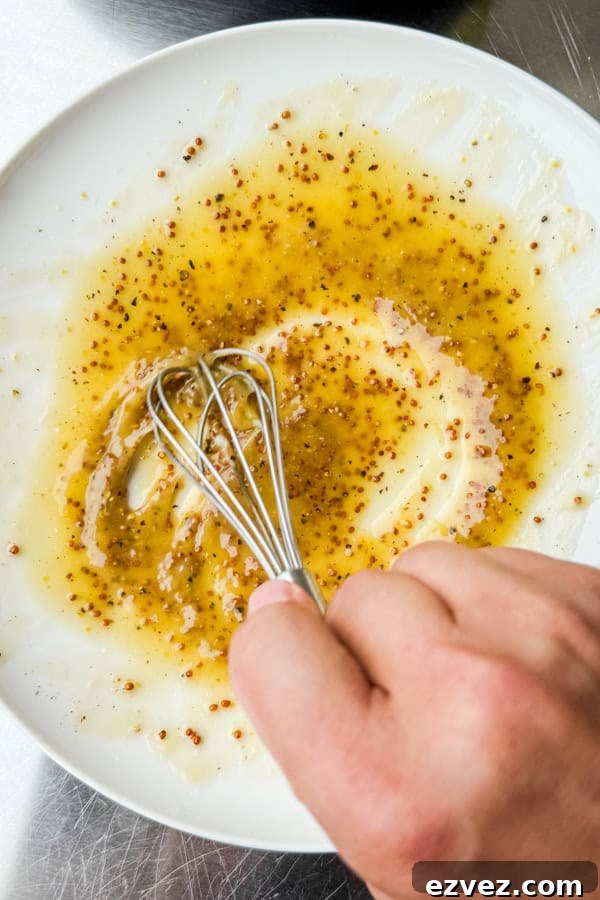
- Apple cider vinaigrette: A simple vinaigrette ties to the grapes’ fruitiness and cuts the richness of the chicken. A 1:3 acid to oil ratio works nicely.
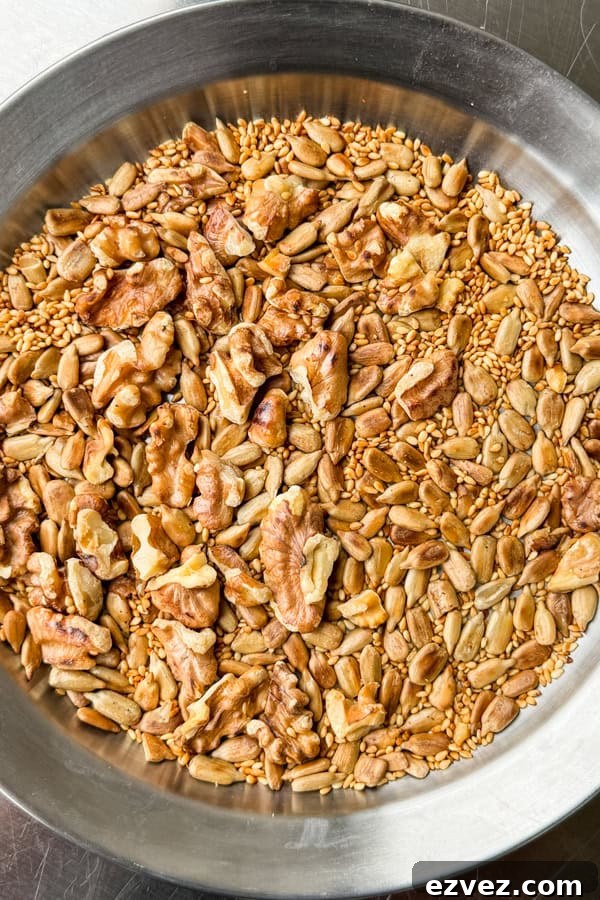
- Toasted nuts and seeds: Toast walnuts, sunflower seeds and sesame seeds for crunch and aroma. Toast while the oven preheats or in a skillet; they can be prepared up to a week ahead and stored airtight.
For the Tahini Sauce
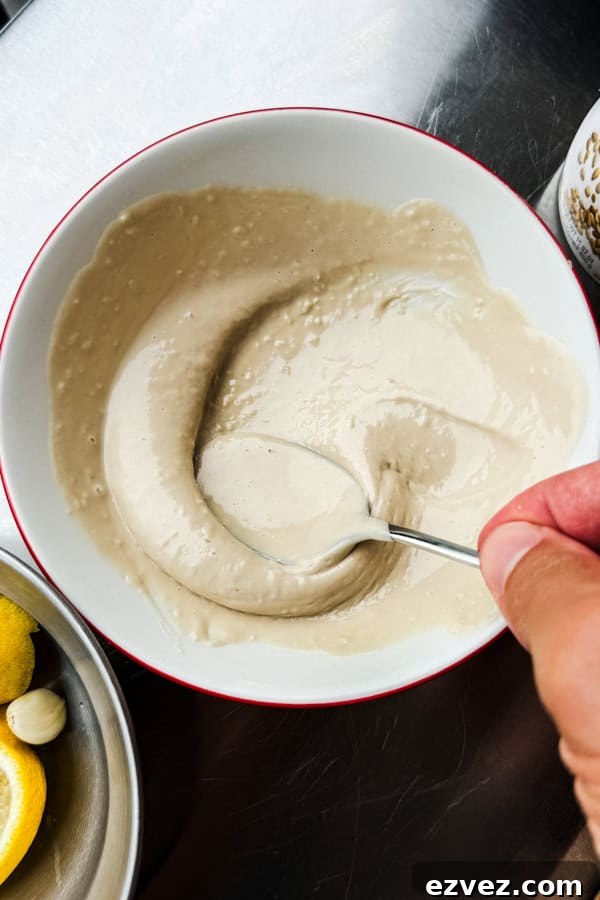
- Tahini: Choose pure toasted sesame seed paste with only sesame and salt for best flavor.
- Lemon juice: Freshly squeezed for brightness.
- Garlic: Use one clove finely grated for a subtle, well-integrated garlic flavor.
- Cold water: Ice-cold water helps thin tahini into a smooth, creamy sauce.
- Salt: Start with a pinch and adjust to taste after the sauce comes together.
What is Harissa and Which One to Use?
Harissa is a North African chili paste made with chilies, garlic, olive oil and spices such as cumin, coriander and caraway. It ranges from mild to very spicy and varies in texture by region and brand. Tunisian-style harissa is thicker and more concentrated; Moroccan-style is oilier and looser. For a thick, concentrated harissa use less and thin with olive oil so the marinade coats the chicken evenly. If you’re unsure, start with less and adjust to taste.
Tahini vs Tahini Sauce
Tahini is a thick paste made from ground, toasted sesame seeds. Tahini sauce is tahini mixed with lemon juice, garlic, water and salt until smooth and pourable. Plain tahini can be bitter and very dense; mixing it into a sauce brightens and thins it. If your sauce is too thick, add water; if too thin, add more tahini. Store finished tahini sauce in a sealed jar for about a week in the fridge.
How to Cook the Chicken
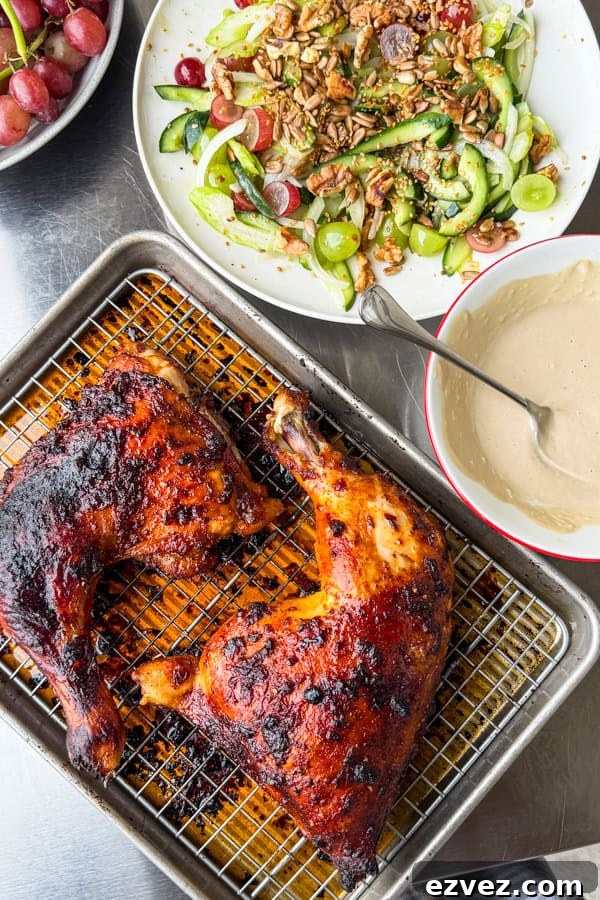
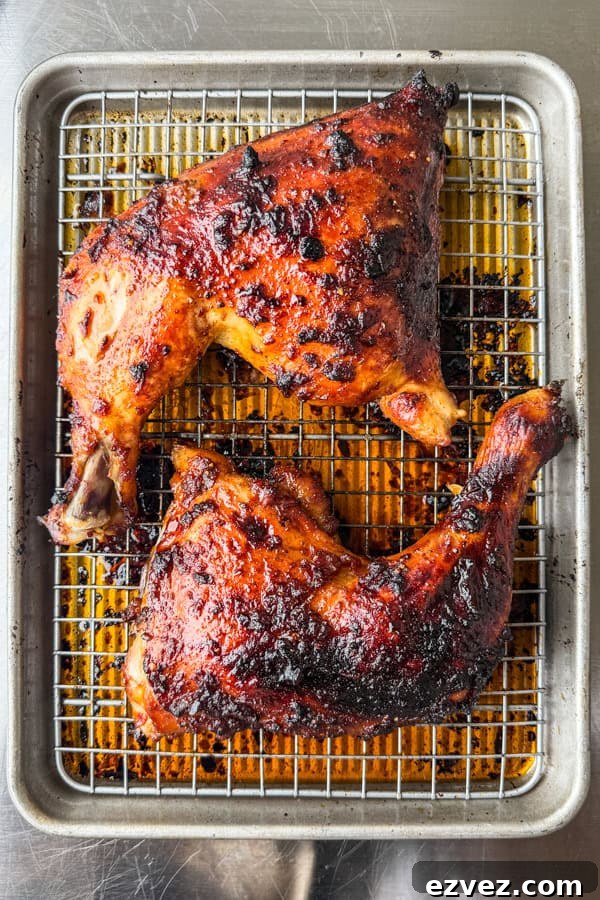
Oven: Roast the chicken on a sheet pan set over a wire rack so hot air circulates under the pieces. This prevents steaming and promotes even browning and crisp skin while keeping the chicken out of rendered juices that can scorch.
Traeger or pellet grill: Preheat to 425°F and cook skin-side up on the lower grates. When the thickest part reaches about 150°F, flip and finish until lightly charred and the thickest part reaches 180°F for dark meat (160°F for breast).
Gas or charcoal grill: Use a two-zone setup with indirect medium-high heat (around 425°F). Cook over indirect heat until the thickest part reaches about 160°F, then move to direct heat to crisp and lightly char the skin until the thickest part reaches 180°F for dark meat.
Best Internal Temperature for Dark Meat Chicken
Light meat (breast) should be cooked to 160°F and rested to reach 165°F. Dark meat (thighs, drumsticks) benefits from higher temperatures — cook to about 180°F so collagen breaks down and the meat becomes tender without drying out. After roasting, rest the chicken for a few minutes to let juices redistribute.
Substitution Ideas
- Chicken: Use bone-in, skin-on thighs, drumsticks, breasts, wings or a spatchcocked whole chicken.
- Harissa: If you don’t have harissa, substitute another chili paste or a spice blend, but the final flavor will change.
- Tahini: A garlicky yogurt sauce or tzatziki would also pair nicely with the chicken and salad.
For Best Results
- Pat the chicken dry before marinating for better skin crispiness.
- Marinate longer: Overnight yields the most flavor, but at least a couple of hours helps.
- Toss the salad in the vinaigrette just before serving so the celery and grapes stay crisp.
What to Serve with the Harissa Roast Chicken
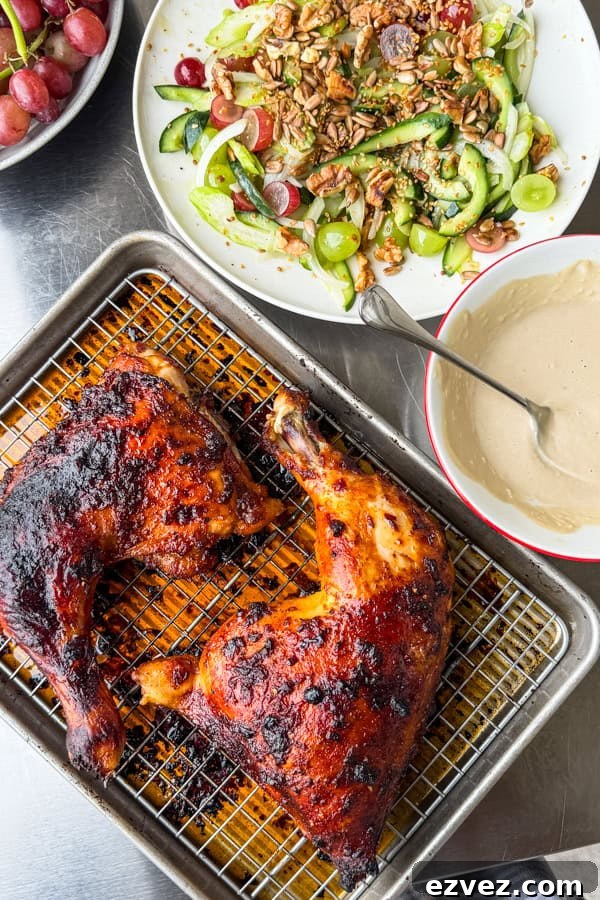
- Crunchy California Grapes and Celery Salad
- Tahini sauce
- Basmati rice
- Warm flatbread
- Roast potatoes
Reheating Suggestions
- Chicken: Reheat in a 350°F oven until warmed through, about 10–15 minutes.
- Salad: Best fresh; store in the fridge up to 2 days and toss before serving.
- Tahini sauce: Keep in a sealed jar in the fridge up to 5 days. Add a splash of water and whisk before serving.
Recipe FAQs
Yes. Marinate the chicken up to 24 hours in advance and prepare the tahini sauce and salad earlier the same day. Dress the salad just before serving for best texture.
Heat varies by brand. Start with a small amount and adjust to taste; milder versions are available.
Yes. Follow the grilling notes above for two-zone cooking or pellet grill instructions. Grilling adds a nice smoky flavor.
More Ways to Enjoy Grapes
- Skillet chicken with grapes and olives
- Baked brie with grapes and bacon
- Grapes and radicchio salad with crispy farro
- Grilled flatbread with grapes, bacon and goat cheese
- Grilled chicken paillard with grapes and arugula
- Roasted Brussels sprouts with grapes and bacon
- Harvest steak salad with grapes
- Pan-roasted chicken thighs with grapes and sweet potatoes
- Whipped ricotta and roasted grapes crostini
- Kale and Brussels sprouts salad with grapes and grilled chicken
- Waldorf-style salad with chicken and grapes
This recipe was created in partnership with the California Table Grape Commission. All opinions expressed here are the author’s alone.
Harissa Roast Chicken with Crunchy California Grapes and Celery Salad & Tahini
Ingredients
For the California Grapes and Celery Salad:
- ¼ cup roughly chopped raw unsalted walnuts
- ¼ cup raw unsalted sunflower seeds
- ¼ cup raw sesame seeds
- 1 teaspoon whole-grain mustard (or Dijon)
- 1 tablespoon apple cider vinegar
- 1 tablespoon honey
- 1 clove garlic, finely grated
- ¼ teaspoon kosher salt
- ¼ teaspoon freshly cracked black pepper
- 3 tablespoons extra-virgin olive oil
- 2 stalks celery, thinly sliced on a bias
- 2 Persian cucumbers, seeds removed and thinly sliced on a bias
- ½ white onion, thinly sliced
- 1 cup red and green grapes from California, halved
For the Tahini Sauce:
- ½ cup 100% pure toasted sesame seed paste (tahini)
- 1 clove garlic, finely grated
- 1 tablespoon lemon juice
- ¼ teaspoon kosher salt
- ½ cup ice-cold water, plus more as needed
For the Harissa Roast Chicken:
- 1 tablespoon harissa paste
- 1 tablespoon extra-virgin olive oil
- 1 tablespoon honey
- 4 cloves garlic, finely grated
- 1 teaspoon ground cumin
- 1 teaspoon ground coriander
- 1 teaspoon smoked paprika
- 1 teaspoon kosher salt
- ½ teaspoon freshly cracked black pepper
- 2 bone-in, skin-on chicken quarters (or thighs, drumsticks, breasts)
Instructions
For the California Grapes and Celery Salad:
- Toast the walnuts, sunflower seeds and sesame seeds in a dry frying pan over medium-low heat, tossing until golden and fragrant (about 7 minutes). Transfer to a bowl to cool.
- In a large bowl whisk together mustard, apple cider vinegar, honey, garlic, salt and pepper. While whisking, drizzle in the olive oil to emulsify. Add celery, cucumber, onion and grapes and toss gently. Adjust seasoning to taste.
- Transfer to a serving platter and garnish with the toasted nuts and seeds just before serving.
For the Tahini Sauce:
- Whisk tahini, garlic, lemon juice and salt until a paste forms. While whisking, add ice-cold water a little at a time until the sauce is smooth and coats the back of a spoon. Adjust with more water or tahini to reach desired consistency. Refrigerate up to 5 days.
For the Harissa Roast Chicken:
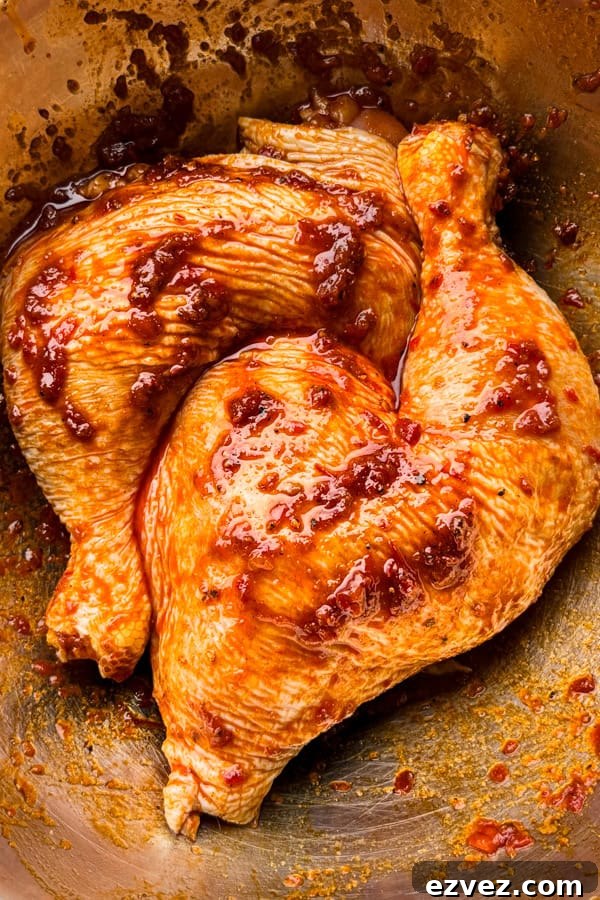
- Mix harissa, olive oil, honey, garlic, cumin, coriander, smoked paprika, salt and pepper in a large bowl. Add the chicken and toss to coat. Cover and refrigerate at least 1 hour or overnight.
- Preheat the oven to 425°F.
- Place chicken skin-side up on a sheet pan with a wire rack and roast until the skin is deeply browned and the thickest part reaches 180°F (160°F for breast). Let rest 10 minutes before serving.
- To serve, spread a layer of tahini on a platter, top with the harissa roast chicken and the grape and celery salad.
Video
Nutrition
Carbohydrates: 33g
Protein: 23g
Fat: 56g
Nutrition information is automatically calculated and should be used as an approximation.