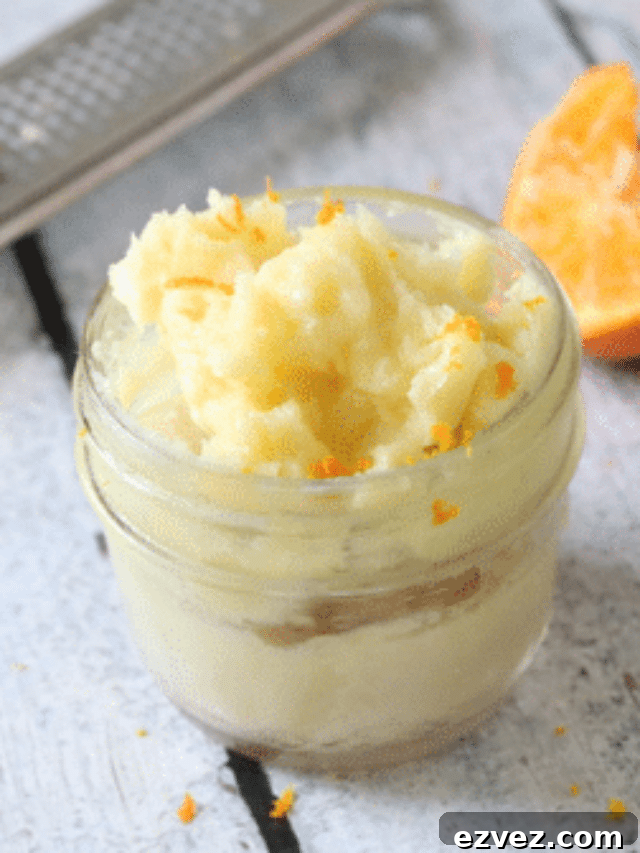
Making your own natural skincare products is fun, rewarding, and great for your skin. Over the past several years I’ve tried countless lotions, lip balms, face creams, and more. Along the way I’ve learned what works—and what doesn’t—so I’m sharing practical do’s and don’ts to help you create effective homemade products like body butters and lip balms without the common pitfalls.
I’ve failed many times. But those missteps taught me how to avoid waste, keep ingredients stable, and make better batches. Below are clear tips based on experience to help you get consistently good results when making DIY skincare.
Making natural skincare at home offers many benefits, including:
- Lower cost compared to many store-bought natural products
- More control over ingredients, reducing the risk of unwanted internal exposure
- Easy customization to suit your skin’s needs
- Creative experimentation with textures, scents, and oils
- Smaller environmental footprint when you choose sustainable ingredients and packaging
- When you avoid certain problematic ingredients and use nourishing ones, your skin often becomes softer and less irritated
Using real, pure ingredients reduces exposure to unnecessary chemicals and gives you the freedom to tailor each recipe. That said, a few practical habits make the difference between a successful batch and a frustrating fail.
What You SHOULD Do When Making Natural Skincare Products
Use the same dedicated equipment—jars, whisks, spoons and measuring tools—every time you melt and mix. Oils and butters cling to surfaces and can be difficult to remove completely; keeping a dedicated set prevents contaminating other kitchen tools.
Add essential oils after transferring the cooled mixture whenever possible. If you always scent the melting jar, the aroma will permeate it. For lip balm recipes you may need to work quickly and add scent while warm—have a separate jar just for lip balm batches.
Prepare your containers in advance. Many mixtures solidify fast, so have jars, tubes, or tins ready before you remove the batch from heat. This is particularly important for lip balms and lotion bars.
Always label finished products. You might think you’ll remember the scent or formula, but months later it’s easy to forget. Date and name each container to avoid confusion and to track shelf life.
Use heatproof jars for melting and mixing. Some containers can’t handle the heat and may crack; using proper glass or metal vessels avoids wasted batches and safety hazards.
What You SHOULDN’T Do When Making Natural Skincare Products
Avoid using a very small jar inside a very large pot for your double boiler. If the water level is too high or the pot is too wide, water can splash into your mixture. Any water in oil-based products increases the risk of mold. Use a properly sized pot with gentle simmering water to minimize splash.
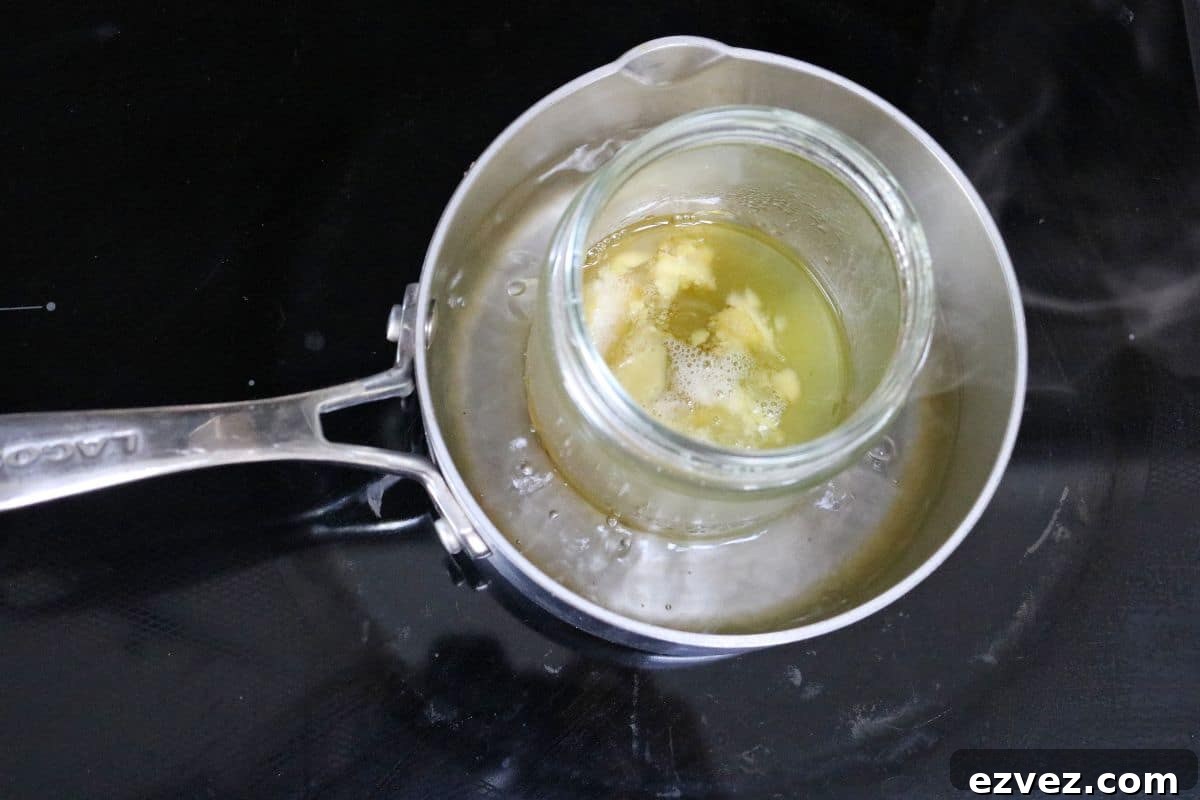
Don’t wash the melting jar right away with water. Water beads in oily residue and can contaminate future batches. Instead, wipe the jar while it’s still warm with paper towel to remove most of the oil before cleaning thoroughly later.
Don’t pour lip balm containers on the counter. Spills are difficult to clean and oily residue spreads. Line a cutting board with parchment paper or silicone so you can easily catch drips and clean up quickly.
Don’t guess your measurements. Accurate measurements are crucial. Too much or too little of a wax, butter, or oil changes texture, melting point, and stability. Use precise scales or measuring tools for consistent results.
Avoid buying large blocks of beeswax unless you’re prepared to process them. Blocks are difficult to cut and measure. Beeswax pastilles or pellets are far easier to work with for small-batch skincare and save time and frustration.
Don’t put on tight clothing or lie down immediately after applying oil- or butter-based products. Homemade body butters and balms can be greasy while the oils absorb. Allow a few minutes for absorption to avoid staining clothes or bedding.
DIY Recipes You’ll Love
- How to make homemade bath bombs (the biggest secrets!)
- Mini bath bombs for sleepy kids
- DIY bug spray
- Homemade dry shampoo
- Homemade muscle rub
- How to make lotion bars
Don’t forget to pin these natural skincare tips!
Those are the key lessons I’ve gathered from years of making homemade skincare. Follow these practical tips to reduce mistakes, save ingredients, and enjoy creating products that work well for your skin. With a bit of preparation and attention to detail, DIY skincare becomes both enjoyable and reliably effective.
Making your own natural skincare—whether a whipped body butter with beeswax or a simple lip balm—is rewarding. It’s even better when the process runs smoothly and your results are consistent.